

Oh, the pie crust quest! I swear, I spent years wrestling with dough that turned out tough, shrinky, or just sad. Every holiday felt like a high-stakes gamble with my Thanksgiving centerpiece. I used to think that that perfectly flaky, melt-in-your-mouth texture was something only professional bakers could achieve, usually by using some weird, secret vegetable shortening. Well, I finally cracked the code, and trust me, it involves just one glorious ingredient: butter! Forget the struggle; this foolproof recipe for a flaky, tender butter pie crust uses only four simple things. It’s the buttery, delicious foundation your sweet or savory pies have been begging for. After you make this once, you’ll never look back!
Why This Is the Best Butter Pie Crust Recipe
If you’ve ever felt nervous pulling your crust out of the oven, dreading that rubbery texture, this recipe is for you! This is my go-to method because it takes the guesswork out of achieving perfect lamination. It truly delivers on those promises you see everywhere.
- Flaky texture guaranteed—the ice-cold butter does all the heavy lifting!
- The absolute richest, most decadent buttery flavor you can get in a pastry.
- This is the simplest way to achieve an easy pie crust from scratch.
Seriously, I use this exact dough for everything. Pumpkin pie? Check. Quiche Lorraine? Double-check. It holds up beautifully, bakes to a gorgeous golden brown, and never tastes flat. It’s versatile magic, I tell you!
Key Attributes of Our Tender Pastry Dough
The main reason I insist on using only butter is flavor. While shortening is great for puffiness, it tastes like nothing! Butter brings that nostalgic, savory richness that makes every slice taste like grandma made it. That high-fat content is what creates those beautiful layers without needing any stabilizers.
The trick to keeping it tender is temperature. If the butter melts before it hits the oven, you get a flat, oily crust. But when you handle it fast and keep it cold, those butter pockets steam in the oven, puffing up to create hundreds of airy, flaky layers. That’s the secret to a tender pastry dough that melts away the second it hits your tongue!
Ingredients for Your Foolproof Flaky Butter Pie Crust
Okay, here’s where we keep it super simple. You really only need four things for this butter pie crust recipe. The quality of the butter really makes a huge difference here, since it’s the star! Remember, this makes one beautiful, 9-inch single crust, perfect for custard pies or just a single-crust flaky topping on a deep-dish savory pie.
- 1 1/4 cups all-purpose flour – standard stuff works great, no need to splurge on fancy flours here.
- 1/2 teaspoon salt – brings out the buttery flavor and balances everything.
- 1/2 cup (that’s one standard stick!) unsalted butter, and this is crucial: it must be very cold and cut into 1/2-inch cubes. Do this right before you start mixing!
- 3 to 5 tablespoons ice water – I mean seriously icy. Sometimes I even toss the measuring spoons in the freezer just to be safe.
That’s it! No eggs, no vinegar, no weird additives. It’s pure, straight-up pastry goodness waiting to happen when you keep everything chilly!
Essential Equipment for Making a Perfect Butter Pie Crust
You don’t need a fancy stand mixer for this job, which is what I love most about making homemade pie dough! In fact, too much mechanical mixing can warm the butter too fast. I usually just pull out my favorite set of tools when I tackle this recipe. Having these things ready makes the process go super smoothly, which is key when you need to move fast!
- A large mixing bowl: Wide enough so you can toss the butter and flour without making a huge mess on the counter.
- A pastry blender: This is my favorite tool for cutting butter in. It keeps your hands fairly cool and does a great job of keeping those big chunks of butter intact. If you don’t have one, your fingertips work well, but work quickly!
- A measuring cup for water: Used to dole out that icy water very slowly—remember, we are adding it tablespoon by tablespoon!
- Plastic wrap: Absolutely essential for wrapping up that disk of dough before the long chill.
- A rolling pin: A sturdy one is best for making sure you press evenly across the dough when you roll it out later.
If you’re worried about keeping everything cold, grab a metal bowl—those stay colder than glass or plastic, which helps slow down any melting while you work. Trust me, setting up your station right makes all the difference for this four ingredient pie crust!
Step-by-Step: How to Prepare Your Homemade Pie Dough
This is where the magic happens, and I need you to move fast! The entire goal here is keeping that wonderful butter cold so it doesn’t blend completely into the flour. If it blends too much, you end up with shortbread, not flaky layers. We need defined pockets of butter in this butter pie crust. Read the steps first, then grab your ingredients and go! We are shooting for coarse crumbs and then a gentle chill.
Once the dough just barely comes together from adding the ice water, don’t even feel tempted to knead it. We wrap it, flatten it into a disk—this makes rolling easier later—and stick it straight into the fridge. I know it feels weird to wait when you want pie now, but this resting period is non-negotiable for a great result. If you’re interested in what happens when you skip the fat altogether, just check out this interesting bit on water pie magic, but trust me, you want the butter!
Cutting the Butter into the Flour for a Flaky Pie Crust
First, combine your flour and salt in your big bowl. Now, add those cold, cubed pieces of butter. If you’re using a pastry blender, rock it back and forth gently over the butter chunks. You want to stop when the biggest pieces are about the size of a small pea. If you’re using your hands—which I sometimes do when I’m feeling nostalgic—use just your fingertips to quickly rub the butter into the flour. Seriously, work fast before the heat from your skin starts softening the fat. Those visible chunks of butter are what create the beautiful lift and flakiness in your final pastry!
Chilling and Resting Your Butter Pie Crust Dough
After you toss in those three tablespoons of ice water and gently fork everything until it just holds together, get that dough wrapped up tight in plastic. Flattening it to a disk makes it much easier to roll out later without tearing. Now, it has to chill! You need at least one full hour in the refrigerator. This resting time does two really important things: first, it lets the flour fully absorb the water, which helps hydrate the dough without activating harsh gluten strands, keeping the crust tender. Second, and most importantly, it re-hardens those beautiful, pea-sized pieces of butter we just worked so hard to maintain. That cold butter is your ticket to a truly flaky pie crust!
Rolling Out Your All Butter Pie Crust Recipe
The dough is chilled, the butter is rock hard again, and now it’s time for the part that scares most beginners: rolling it out! Honestly, this step is the second most crucial part after keeping the butter cold. If you’re gentle and work quickly, you’ll manage to get this beautiful All Butter Pie Crust Recipe into your pie plate without any drama.
First, lightly flour your countertop, and dust your rolling pin. You don’t want a thick layer of flour, just enough so the dough doesn’t stick instantly. Take your cold disk and let it sit on the counter for just about five minutes—no more! If it’s too stiff, it will crack when you roll it. If it’s too soft, it will stick everywhere.
Start rolling from the center out, turning the dough a quarter turn after every couple of rolls. This helps you keep a nice round shape and prevents sticking. I always try to roll gently; if you press too hard, you’ll just crush those perfect air pockets we created! If you see the dough warming up and getting sticky, stop immediately and put it back in the fridge for 10 minutes. Dealing with dough that fights back is never fun!
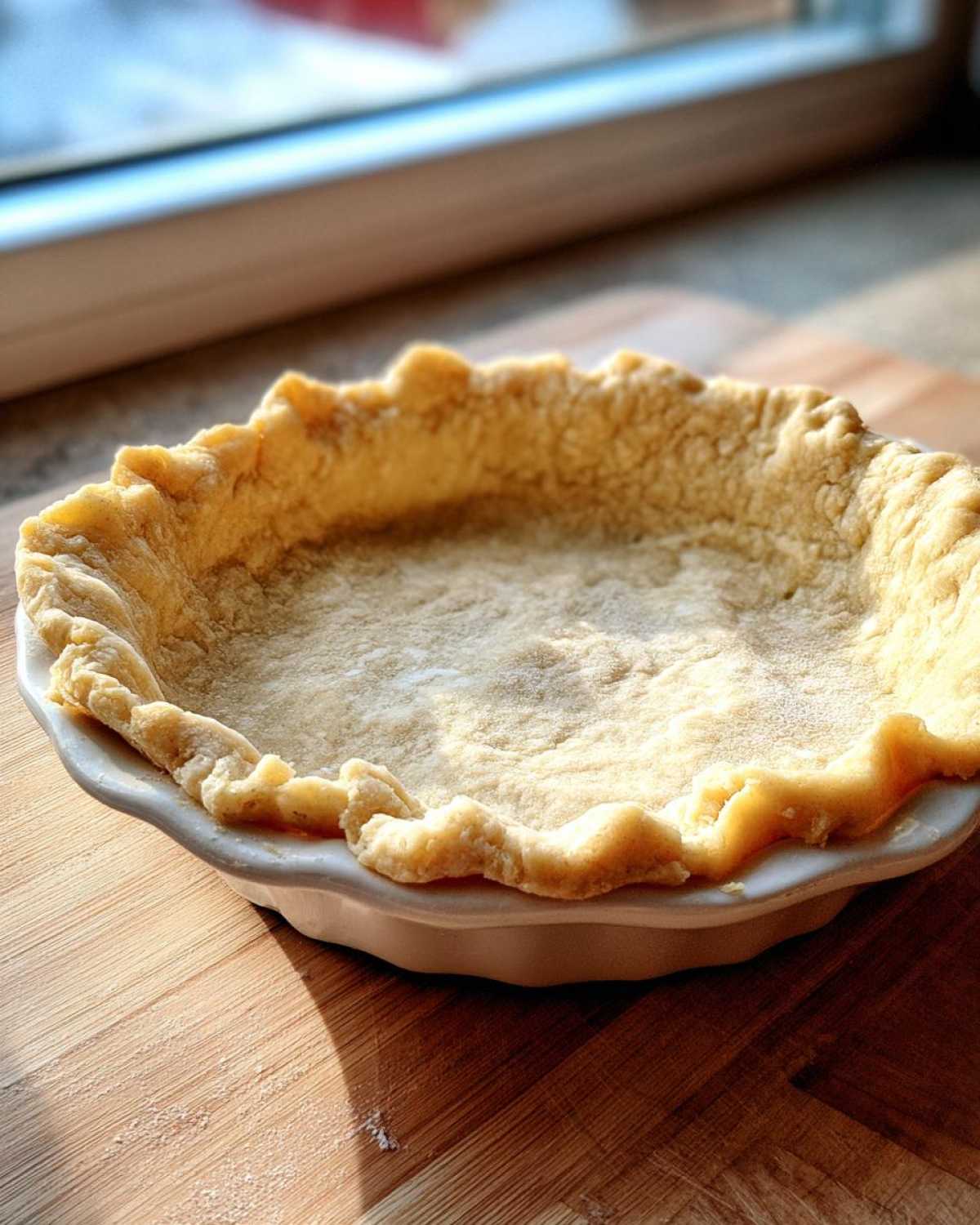
When it’s rolled out to about a 12-inch circle (which is bigger than your 9-inch pie plate, perfect for overhang!), you need to get it into the plate without tearing it. I usually drape the dough loosely over the rolling pin, lift the pin over the plate, and gently unroll it into place. Another trick I love is folding the pie dough into quarters like a taco, placing the point in the center of the plate, and then unfolding. Just be super careful not to stretch the dough when you lay it in the tin or it’ll shrink back when you bake it!
Tips for Success with Your Best Butter Pie Crust
You’ve rolled your dough, crimped those pretty edges, and now you’re ready to finally bake the perfect filling. Fantastic! But just in case something feels a little *off* during the process—maybe the dough seemed sticky or you’re worried about shrinkage—I want to give you a few hard-won pro tips for making this butter pie crust truly flawless. These little secrets are what take me from a “good” crust to the “best butter pie crust” award every single year!
The biggest thing I learned is that temperature control is everything when you’re dealing with pure butter. If you feel like your dough is fighting you every step of the way, just walk away! Put it back in the fridge. I have walked out of the kitchen entirely, gone read a chapter of a book, and come back ten minutes later to a perfectly happy, pliable dough. Don’t force it; that’s how you get a tough crust!
Also, if you’re pre-baking (blind baking) for a dessert like mine that demands a crisp bottom, you must use pie weights. I often fill my crust with dried beans or rice, and I cover the edges with strips of foil so they don’t burn before the bottom is set. If you’re looking for other ways I sneak good ingredients into baking without changing the flavor profile, you should check out my post on tahini chocolate chip cookies—it’s a game-changer!
Troubleshooting Common Issues with Homemade Pie Dough
Things go wrong sometimes, even for me! If you run into trouble, don’t sweat it. Here’s how I fix the most common problems when working with homemade pie dough:
- My Dough is Shrinking in the Oven: This is almost always because you didn’t chill the shaped crust long enough before baking. That final 30-minute chill in the pie plate is crucial! It allows the gluten to relax before it hits the heat.
- My Crust Tastes Tough/Hard: You probably overmixed the dough once you added the water, or maybe your butter wasn’t cold enough when you started. Once that ball of dough forms, you only want to mix until the flour disappears—no more!
- The Butter Melted While Rolling: If it feels oily and greasy, stick it back in the fridge for 15 minutes. Don’t try to roll greasy dough; it will just tear when you try to transfer it.
Remember, a little patience goes a long way when you are working with such a simple, high-quality ingredient like all butter. If you stick to keeping things cold and mixing minimally, you shouldn’t have any major issues at all!
Make Ahead & Storage Instructions for Your Buttery Pie Pastry
One of the greatest things about mastering the butter pie crust is that you never have to stress about making it the day of your big event. I almost always have a disc or two tucked away in the freezer! This simple recipe is fantastic for getting ahead, especially during chaotic times like Thanksgiving or Christmas when the oven is booked solid.
After you finish mixing your dough and flattening it into that neat 1-inch disk, wrap it super tight in plastic wrap. You always want to make sure that dough isn’t leaking any air, otherwise, you risk little dry patches forming.
For the refrigerator, this Buttery Pie Pastry is good for up to two full days. That’s perfect if you want to make the dough on Wednesday for a Friday pie. Remember, when you take it out, let it sit on the counter for about 15 minutes before rolling. If it’s rock hard straight from the fridge, you’ll fight with it!
Now, for freezer storage—this is my secret weapon for the holidays! You can freeze that plastic-wrapped disk for up to three months. When you’re ready to use it, the trick is to thaw it slowly. Take the wrapped dough out of the freezer and move it to the refrigerator overnight. Thawing it slowly prevents condensation from making the dough soggy. Once it’s cool but pliable the next day, you’re good to roll! It bakes up just as beautifully flaky as if you made it five minutes ago. It saves so much stress!
Frequently Asked Questions About Making a Butter Pie Crust
I always get questions after people try this recipe for the first time, usually because they’re so shocked at how easy it was! Don’t hesitate to ask if you have doubts; that’s why I’m here to help you nail this easy pie crust from scratch!
Can I use a mix of butter and shortening in this recipe?
You totally could, but honestly, why mess with perfection? This recipe is specifically designed for the incredible flavor payoff you get from 100% butter. If you’re looking for a pure No Shortening Pie Crust experience, stick with the butter! If you absolutely must swap, only replace about a quarter of the butter with very cold vegetable shortening, but you lose some of that signature rich taste.
Can I make this dough for a double-crust pie?
Absolutely! The recipe yields the perfect amount for one standard 9-inch bottom crust. To make a full double crust pie dough, just double every single ingredient measurement—the flour, the salt, and the butter. Make sure you chill both disks thoroughly before trying to roll the top crust out. I love making double batches just so I can tuck one disk away in the freezer for later!
If I use my food processor, will the crust still be flaky?
Using a food processor is faster, but it’s risky, especially for beginners! The machine blades spin so fast that they tend to over-mix the butter, chopping it into tiny bits instead of leaving those crucial pea-sized chunks. If you use one, you must pulse it just a few times—like, maybe four or five quick pulses—after adding the butter. If you notice the dough turning into a fine meal, stop right away! The best results for flaky pastry come from using your hands or a pastry blender.
Why did my pie crust shrink dramatically while baking?
This is the number one complaint, and it means your dough was stressed out! When you roll the dough, you are stretching the gluten strands. If you don’t let the dough rest while cold afterward, those tight strands snap back under the heat of the oven, pulling the whole pastry inward. You must chill the shaped crust in the pie plate for at least 30 minutes before it goes near the oven, even if you’re in a hurry. It’s worth the wait for a crust that fits perfectly!
How do you make the dough extra rich, like in the cookies you mentioned?
That deep richness comes from careful technique, but sometimes adding a tiny bit of something extra helps blend those flavors, much like how I add unique fats to my chocolate chip cookies! For savory pies, sometimes I replace one tablespoon of the ice water with a tablespoon of vodka or even dry white wine, but only for the liquid addition. It keeps the dough nicely hydrated without developing gluten, and the alcohol evaporates completely during baking, leaving behind a super tender texture!
Estimated Nutritional Data for This Single Crust Pie Recipe
I always feel a little strange posting nutritional info for something as simple and wonderful as a crust, but I know some of you like to keep track! Keep in mind this is a general estimate based on standard ingredients. Since this recipe makes one full 9-inch single crust, these numbers reflect what you’d get if you divided the entire crust into eight even slices.
This is for one serving (1/8th of the crust):
- Serving Size: 1/8 of crust
- Calories: 205
- Fat: 13g (Mostly saturated fat from the butter, which is where that amazing flavor comes from!)
- Carbohydrates: 19g
- Protein: 3g
- Sodium: 110mg
It’s simple stuff without sugar added, so the carb count is primarily from the flour. Honestly, when you’re making pie, the filling usually adds most of the extras, but knowing your base is pure and free of shortening makes enjoying that first slice guilt-free!
Share Your Perfect Golden Pie Crust Creations
I’ve poured all my years of trial-and-error into this recipe so you can skip the tough crust disasters and jump straight to buttery success! Now that you know the secrets to handling the cold butter and getting that perfect flaky structure, I am absolutely dying to know how it turned out for you. Did you use it for a holiday savory pie? Is it resting in your fridge right now, waiting for pie night?
Please, please leave a comment below! Telling me about your experience helps me feel like I’m right there in your kitchen cheering you on. If you loved how this butter pie crust performed—if it came out flaky, tender, and golden brown—give the recipe a rating when you can. That feedback is gold to me!
And if you snapped a picture of your stunning, crispy-edged creation before you devoured it, tag me on social media! I love seeing my readers succeeding in the kitchen, whether you’re conquering pie crusts or trying out something different like my secretly healthy avocado mousse. Happy baking to all my fellow pie lovers!
Print
Foolproof Flaky All Butter Pie Crust
- Total Time: 1 hr 20 min
- Yield: One 9-inch single crust
- Diet: Vegetarian
Description
A simple recipe for a tender and flaky pie crust made only with butter, perfect for sweet or savory pies.
Ingredients
- 1 1/4 cups all-purpose flour
- 1/2 teaspoon salt
- 1/2 cup (1 stick or 8 tablespoons) unsalted butter, very cold and cut into 1/2-inch cubes
- 3 to 5 tablespoons ice water
Instructions
- Combine the flour and salt in a large bowl.
- Add the cold butter cubes to the flour mixture. Use a pastry blender or your fingertips to cut the butter into the flour until the mixture resembles coarse crumbs with some pea-sized pieces of butter remaining.
- Sprinkle 3 tablespoons of ice water over the mixture. Gently toss with a fork until the dough just begins to come together. Add more ice water, one teaspoon at a time, if the dough is too dry. Do not overmix.
- Gather the dough into a ball. Flatten it into a 1-inch thick disk. Wrap the disk tightly in plastic wrap.
- Refrigerate the dough for at least 1 hour, or up to 2 days.
- On a lightly floured surface, roll the chilled dough out to a 12-inch circle.
- Carefully transfer the dough to your pie plate. Trim and crimp the edges as desired.
- Chill the shaped crust for 30 minutes before baking or filling.
Notes
- Keep all ingredients, especially the butter and water, very cold for the flakiest results.
- If the dough gets warm while rolling, return it to the refrigerator for 15 minutes.
- You can freeze the wrapped disk of dough for up to 3 months. Thaw it in the refrigerator overnight before using.
- Prep Time: 20 min
- Cook Time: 0 min
- Category: Baking
- Method: No-Bake/Chilling
- Cuisine: American
Nutrition
- Serving Size: 1/8 of crust
- Calories: 205
- Sugar: 0.1
- Sodium: 110
- Fat: 13
- Saturated Fat: 8
- Unsaturated Fat: 5
- Trans Fat: 0.3
- Carbohydrates: 19
- Fiber: 0.7
- Protein: 3
- Cholesterol: 33


Comments are closed.