
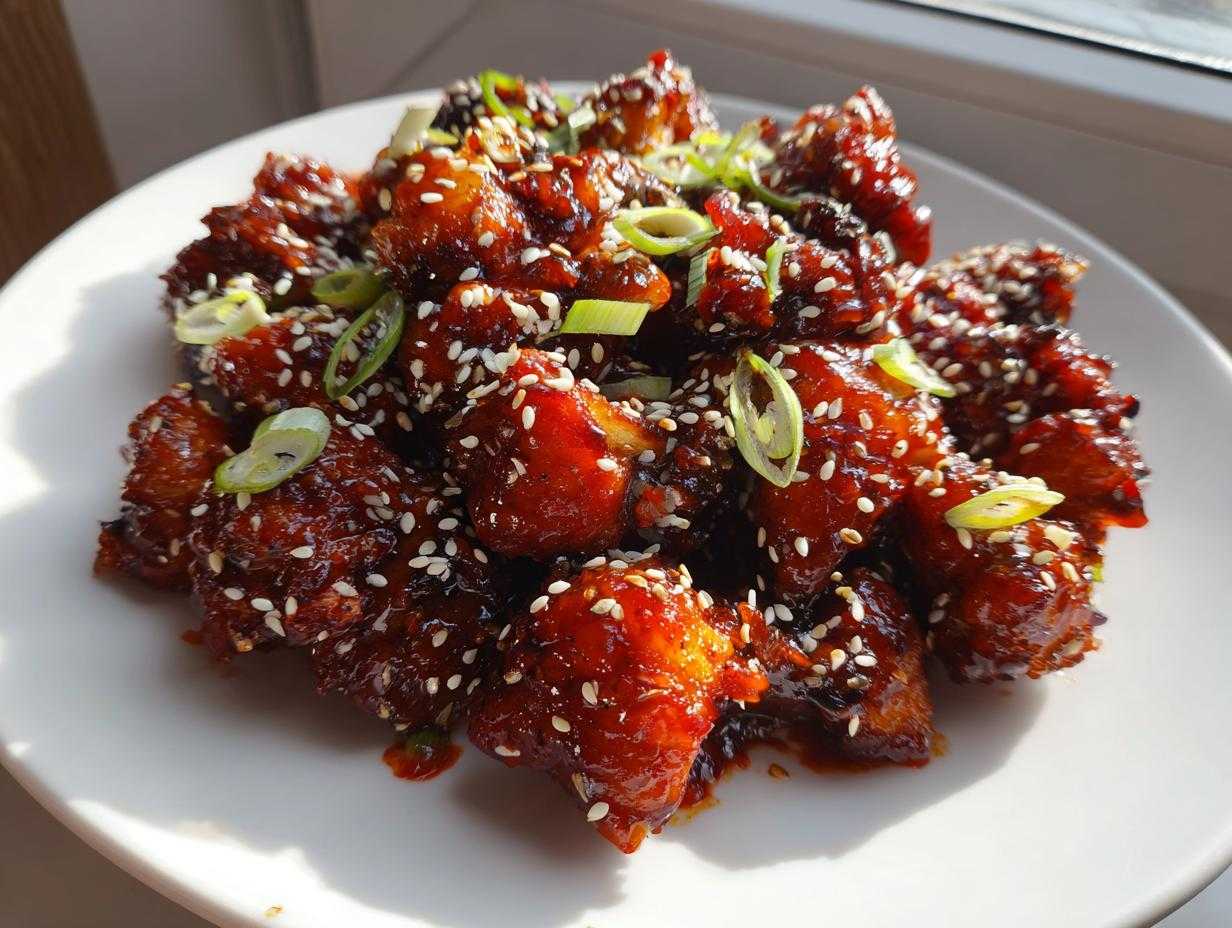
Okay, listen up, because if you think mushrooms are just a boring side dish, I am about to change your entire world with this glaze. We are talking about Korean chili paste, that glorious, thick, fermented beauty known as gochujang. It hits every single note—savory, a little sweet, and that slow-burn heat that just makes you crave another bite. I spent weeks trying to figure out the perfect ratio, because honestly, too much gochujang just tastes like heat, right? But I nailed it! These are the **Gochujang Mushrooms That Taste** absolutely incredible—they are deeply satisfying, unbelievably flavorful, and honestly, they make any weeknight dinner feel special. Trust me, once you roast them up like this, they become your new obsession.
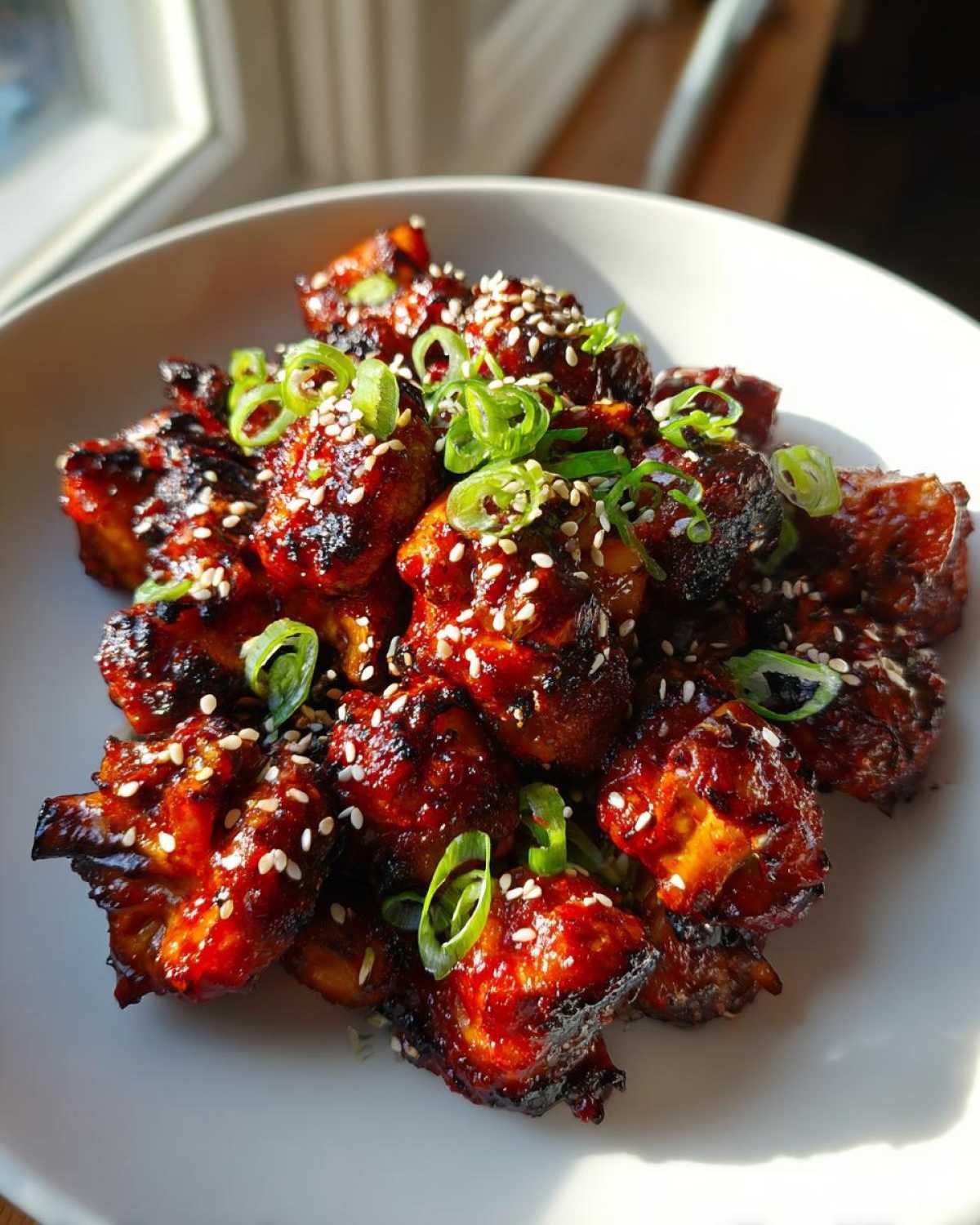
Why You Will Love These Gochujang Mushrooms That Taste Amazing
I swear, the reason I keep making these over and over is how much flavor you get for next to zero effort. Seriously!
- The glaze caramelizes perfectly in the oven, giving you that restaurant-quality char without standing over a hot pan.
- They are the ultimate Korean-inspired comfort food—deeply savory and just spicy enough to make you sweat a little (in a good way!).
- You can seriously whip these up in less than 30 minutes. They’re the perfect Quick gochujang vegetable side when company shows up unexpectedly.
- They work hot, warm, or even cold as part of a lunch prep. The flavors just meld beautifully.
- If you are looking for an amazing vegan side dish, these absolutely deliver on umami richness.
- They transition super easily from a side dish to a fantastic topping for noodles or rice bowls—way better than basic glazed carrots!
Essential Ingredients for Flavorful Gochujang Mushrooms That Taste
Look, the ingredient list here is short, which is why the quality of what you use really matters. We aren’t hiding anything with a ton of filler; we are letting that beautiful chili paste shine! You’ll need about a pound of mixed mushrooms—I love using a combination of cremini, shiitake, and oyster if I can find them, but just one kind works fine if that’s what you have on hand. Make sure you clean them well and cut them into bite-sized pieces, either halved or quartered, so they catch that glaze!
The actual sauce is what makes these pop. You have your main player, the gochujang, of course, along with soy sauce for saltiness, a bit of maple syrup for that necessary sweetness to balance the heat, sesame oil for that signature nutty aroma, rice vinegar for a tiny zing, plus fresh garlic and ginger. That combination is pure magic, I promise!
Ingredient Notes and Substitutions for Gochujang Mushrooms
A quick word on the sweetener: I prefer maple syrup because it mixes in really smoothly, but honey is totally fine if that’s what you have. Just know you might need to whisk it a tiny bit longer to get it incorporated into the thick chili paste.
For the mushrooms, please don’t hesitate to use whatever looks best at the store! If you grab thick, hearty oyster mushrooms, they chew almost like meat once roasted. If you use standard button mushrooms, they’ll definitely shrink down more, but they soak up the seasoning wonderfully. The key is roasting them whole or in large chunks rather than slicing them too thinly, or they dry out too fast.
How to Prepare Gochujang Mushrooms That Taste Perfect Every Time
This is truly the Best way to cook gochujang mushrooms because the high heat of the oven does all the hard work, caramelizing that glaze into something sticky and spectacular. We’re keeping this super simple, but a little patience at the beginning pays off huge with flavor.
Mixing the Umami Mushroom Recipe Korean Style Glaze
First things first, grab your mixing bowl—the one you used for tossing the mushrooms—and start whisking the sauce ingredients together. You want the gochujang, soy sauce, maple syrup, sesame oil, that little splash of vinegar, and the fresh garlic and ginger all combined. Keep whisking until it looks completely smooth. Honestly, if it looks lumpy, the glaze won’t coat evenly later, so take an extra minute here to get it perfectly uniform.
Roasting Technique for the Best Gochujang Mushrooms That Taste
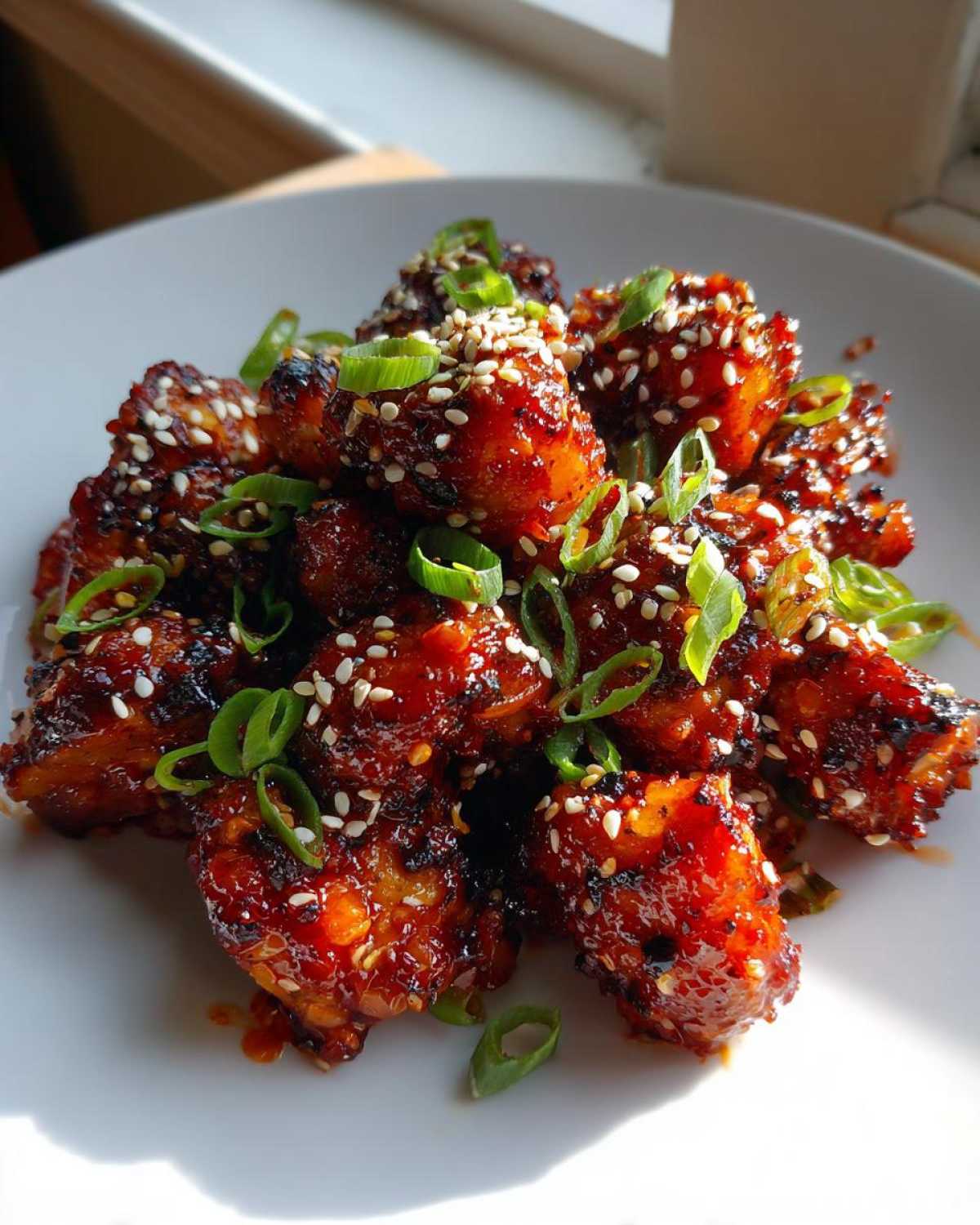
So, after you’ve whisked that incredible sauce, toss those prepared mushrooms right into the bowl and make sure every piece is drenched. Now, here’s my trick from the recipe notes: if you have an extra 15 minutes, just let them sit in that glaze! It lets the flavors penetrate deep into the mushroom. When your oven hits 400°F, spread those beauties out on your lined baking sheet. Make sure they aren’t piled up, or they’ll steam instead of roast! Slide them in for about 15 to 20 minutes total. You absolutely must toss them halfway through—this ensures they get that deeply caramelized crust we are looking for when making **Gochujang Mushrooms That Taste** the best!
Tips for Success When Making Gochujang Mushrooms That Taste
The biggest mistake people make when they try to make **Gochujang Mushrooms That Taste** phenomenal is overcrowding the baking sheet. If your mushrooms are touching too much, they steam, and steaming equals soggy, not caramelized. Make sure you give every piece its own breathing room on that lined tray! That’s non-negotiable for the right texture.
Another thing to watch for is the glaze burning. Because we have sugar in there, it can brown fast after the 15-minute mark, especially if your oven runs hot! If you notice the sauce looking tight and dark before the mushrooms are tender, pull them out, give them a quick toss, and maybe drop the heat down to 375°F for the last five minutes. If you need a little inspiration for handling sweet glazes, I actually talk about balancing sweetness in my muffin recipe too, as it’s a similar balancing act.
If you like your glaze ultra-thick—almost sticky like a BBQ sauce—remember that little trick from the notes! You can take about a quarter cup of the sauce mixture, heat it up on the stovetop until it bubbles for just a minute, and then add it back to the remaining glaze before coating your veggies. It makes for an amazing, thick coating that grabs on tight, giving you the most flavorful **Gochujang Mushrooms That Taste** like you slaved all day!
Serving Suggestions for Spicy Korean Mushroom Side Dish
So, you have these intensely flavored, beautifully glazed mushrooms—what do you do with them? Honestly, they are fantastic just on their own as a little appetizer, but I love making them part of a bigger bowl. They balance perfectly with something mild and fluffy, like a big scoop of steamed white rice or perhaps some chicken fried rice.
If you’re grilling tofu or some nice marinated skirt steak, these make the absolute best spicy Korean mushroom side dish to cut through the richness. A tiny sprinkle of toasted sesame oil over everything right before serving just ties it all together. Seriously, don’t hold back!
Storage and Reheating Instructions for Gochujang Mushrooms That Taste
I really hope you have leftovers, because these **Gochujang Mushrooms That Taste** great on day two! Store any extras in a fully airtight container in the fridge—they usually last about three or four days, easily. The glaze will firm up a bit as they chill, which is totally normal.
Now, for reheating, please, please, please skip the microwave if you can. Microwaving ruins that lovely roasted texture and makes them soggy fast. The absolute best way to revive your **Gochujang Mushrooms That Taste** incredible is to toss them into a fresh, hot skillet with just a tiny splash of water or broth for about three minutes. A quick burst in the air fryer works wonders too, bringing back that slight crispness you loved the first night!
Frequently Asked Questions About Flavorful Mushroom Recipe Korean Style
I get so many questions about adjusting recipes, especially when dealing with flavorful ingredients like gochujang. It’s all about playing around until you find what hits your perfect spot! Here are the biggest things people ask me about these savory and spicy mushroom appetizers.
Can I make vegan Gochujang Mushrooms That Taste good?
Absolutely, yes! This recipe is already inherently vegetarian, and if you stick to maple syrup instead of honey—which I usually do anyway—then you’ve got yourself a perfectly delicious vegan gochujang mushrooms dish. If you’re worried about the depth of flavor, try letting them marinate for a full 30 minutes before roasting; you won’t miss a thing!
Can I sauté these instead of roasting?
You definitely can! When I’m doing a quick meal, I sometimes opt for a fast sauté instead of roasting. Sautéing is definitely faster, making it a great choice for using these as a Flavorful mushroom stir fry sauce component. Just heat your neutral oil in a large non-stick pan over medium-high heat. Toss in the mushrooms and cook them until they start releasing their liquid and browning a bit—about five minutes. Then, add the glaze mixture and cook it down quickly until it thickens. Watch the heat closely, though, because the sugar content means it burns way faster on the stovetop than it does in the oven.
How do I adjust the spice level of these Gochujang Mushrooms?
This is important since gochujang brands vary wildly in heat! If you’re sensitive to spice, start by using only one tablespoon of the paste and maybe add a teaspoon of brown sugar to compensate for the missing richness. If you want to dial up the heat for genuinely spicy Korean mushroom side dish flavor, just add a tiny dash of gochugaru (Korean chili flakes) to your glaze mixture. That’s how you make **Gochujang Mushrooms That Taste** perfectly fiery for you!
What are the best mushrooms to use for a thick glaze result?
For the best texture that holds up to a thick glaze, you really want something that doesn’t release a ton of water right away. King Oyster mushrooms are my top pick because they stay firm and meaty. If you use soft button mushrooms, they will shrink quite a bit, but they still taste amazing.
Estimated Nutritional Data for Gochujang Mushrooms That Taste
Now, I know we are cooking for flavor here, not counting every little granule, but it’s always good to have a rough idea of what you’re eating, especially with tasty sauces! This data is just an estimate based on the averages of the ingredients listed for this recipe. If you use a lot more maple syrup or use fattier mushrooms, those numbers will shift a little bit.
Keep in mind, since we are roasting them with just one tablespoon of neutral oil for the whole batch, it keeps the fat content pretty reasonable, which I love. It really shows how much flavor those spices bring without relying on heavy oil!
Here’s the breakdown:
- Serving Size: 1/3 of recipe
- Calories: Approximately 150
- Total Fat: About 8g (mostly unsaturated fat from the sesame oil—healthy fats!)
- Carbohydrates: Around 17g
- Protein: Roughly 4g
- Sugar: Around 10g (This is mostly from the maple syrup and the natural sugars in the gochujang!)
- Sodium: Around 550mg (Mostly from the soy sauce, so watch your intake if you use extra!)
So, you’re getting a big burst of savory, spicy flavor without too many calories, which means you can definitely afford to eat an extra serving!
Share Your Gochujang Mushrooms That Taste Success
I genuinely cannot wait to hear what you think once you’ve tried these babies! When you take that first bite of perfectly charred, sticky, spicy mushroom, I want to know if they lived up to the hype and delivered the amazing flavor I promised with these **Gochujang Mushrooms That Taste** phenomenal.
Please, don’t be shy! Once you’ve made them, scroll down and leave me a star rating right below this section. Your feedback is super helpful because it tells me exactly what’s working for other cooks out there. And if you made any fun twists—maybe you added a squeeze of lime juice at the end, or perhaps you used them as a topping on some lovely savory and spicy mushroom appetizer creation—snap a picture and tag me on social media!
Seeing your beautiful, glazed mushrooms makes my day. It proves that this simple, powerful Korean ingredient can truly elevate boring old fungi into something unforgettable. Happy cooking, and enjoy every single spicy, umami-packed bite of your success with these **Gochujang Mushrooms That Taste**!
Print
Flavorful Gochujang Glazed Roasted Mushrooms
- Total Time: 30 min
- Yield: 3 servings
- Diet: Vegetarian
Description
A simple recipe for roasting mushrooms coated in a savory, spicy, and umami-rich gochujang glaze.
Ingredients
- 1 lb mixed mushrooms (cremini, shiitake, or oyster), cleaned and halved or quartered
- 2 tablespoons gochujang (Korean chili paste)
- 1 tablespoon soy sauce
- 1 tablespoon maple syrup or honey
- 1 teaspoon sesame oil
- 1 teaspoon rice vinegar
- 2 cloves garlic, minced
- 1/2 teaspoon fresh ginger, grated
- 1 tablespoon neutral oil (like canola or vegetable)
- 1 teaspoon sesame seeds, for garnish
- 1 green onion, sliced, for garnish
Instructions
- Preheat your oven to 400°F (200°C). Line a baking sheet with parchment paper.
- In a medium bowl, whisk together the gochujang, soy sauce, maple syrup, sesame oil, rice vinegar, minced garlic, and grated ginger until smooth. This is your glaze.
- Place the prepared mushrooms in the bowl with the glaze. Toss gently until all mushroom pieces are evenly coated.
- Spread the glazed mushrooms in a single layer on the prepared baking sheet. Do not overcrowd the pan.
- Roast for 15 to 20 minutes, tossing halfway through, until the mushrooms are tender and the glaze has caramelized slightly.
- Remove from the oven. Sprinkle with sesame seeds and sliced green onion before serving immediately.
Notes
- For a deeper flavor, let the mushrooms marinate in the glaze for 15 minutes before roasting.
- If you prefer a thicker glaze, reduce the maple syrup slightly or cook the glaze mixture briefly on the stovetop before tossing with the mushrooms.
- Use any firm mushroom variety you prefer; the texture will change slightly based on the type.
- Prep Time: 10 min
- Cook Time: 20 min
- Category: Side Dish
- Method: Roasting
- Cuisine: Korean-inspired
Nutrition
- Serving Size: 1/3 of recipe
- Calories: 150
- Sugar: 10
- Sodium: 550
- Fat: 8
- Saturated Fat: 1
- Unsaturated Fat: 7
- Trans Fat: 0
- Carbohydrates: 17
- Fiber: 3
- Protein: 4
- Cholesterol: 0


Comments are closed.