
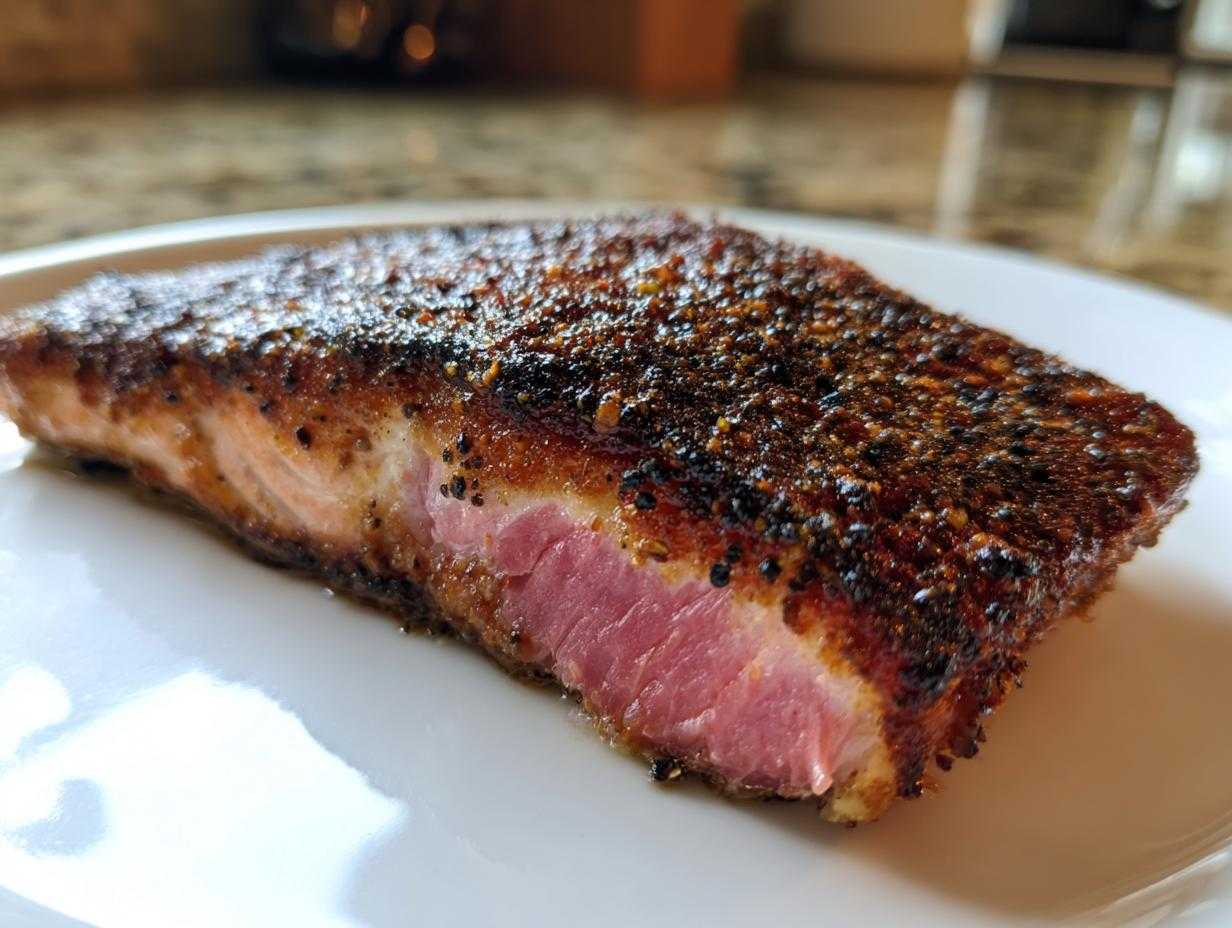
If you’re like me, you’ve had those moments staring at a lovely fillet of salmon thinking, “How do I get that incredible, dark, spicy crust you see at fancy seafood restaurants?” Honestly, getting that beautiful char without turning the inside into dry cardboard used to feel like a complete mystery. But trust me, once you nail this skillet technique, weeknight dinners change forever! This super quick recipe for blackened salmon is my go-to. We’re going from pantry spices to plate in about fifteen minutes total. It’s honestly the best way I’ve found to get that intense, smoky flavor profile without waiting around for the oven to preheat. Seriously, grab your cast iron—you’re going to nail this tonight.
Why This Skillet Blackened Salmon Recipe Delivers Restaurant Quality
I know, everyone promises restaurant quality, right? But this blackened salmon recipe actually follows through because we’re focusing on speed and high flavor impact. It’s designed to be a legitimate quick salmon dinner. We skip long marinating times because the spices do all the heavy lifting upfront.
- It’s incredibly fast—ready in about 15 minutes total.
- You get amazing flavor payoff from simple pantry spices.
- It maintains flaky, moist salmon on the inside.
We use the skillet method because it maximizes contact between the spice crust and the hot metal. To see how I get incredible crusts on other meats, check out my recipe for juicy skillet steak fajitas—the high-heat principle is the same!
Perfect Pan Seared Salmon Crust Every Time
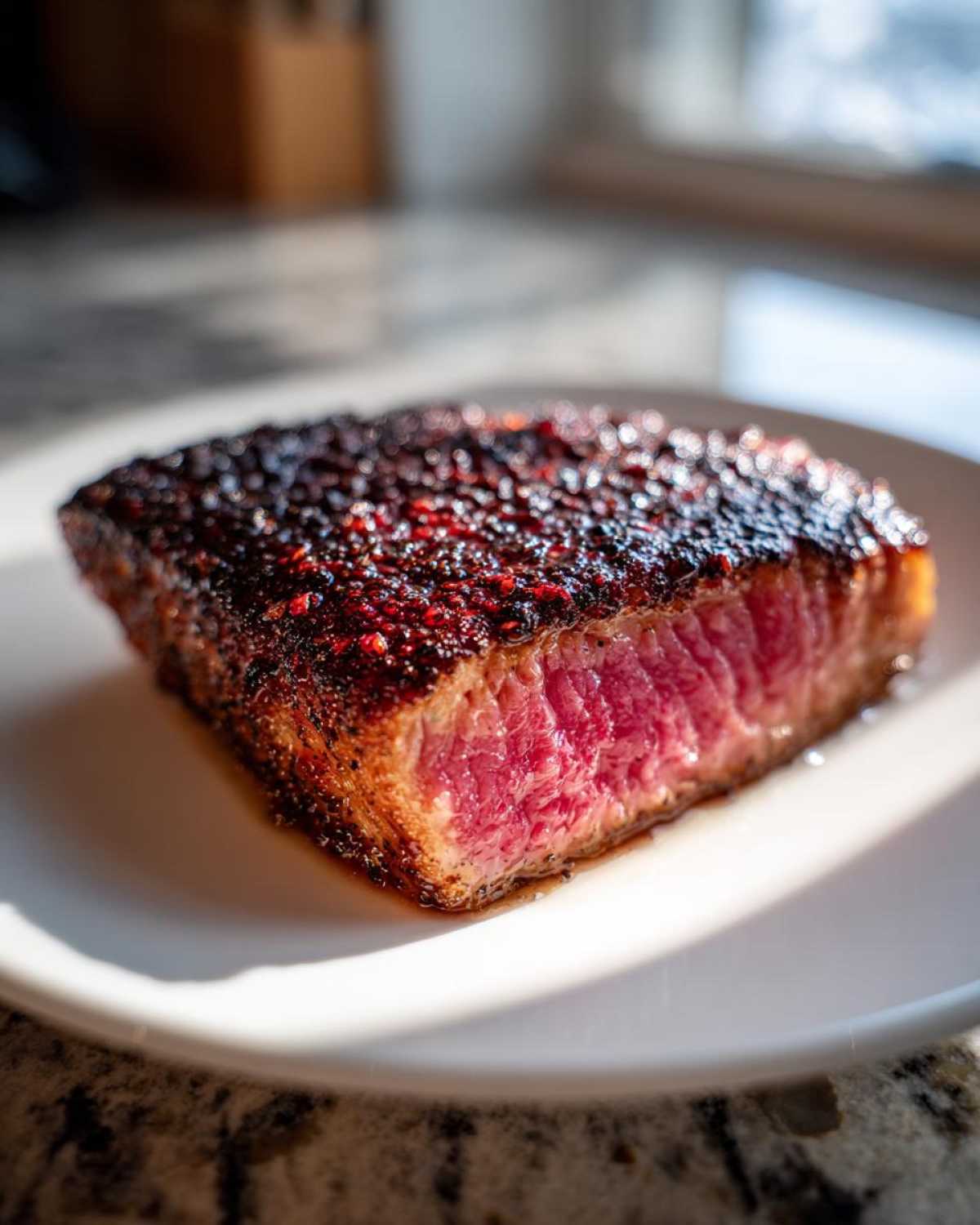
The secret to that gorgeous, dark exterior that looks intimidating but tastes amazing is simple: heat and dryness. You need the salmon fillet surface absolutely bone-dry before you press on those spices. When the seasoned fish hits that shimmering hot oil (I always use avocado oil for this!), the crust instantly forms. That quick sear locks everything in and cooks the outside just enough so the inside stays tender and oh-so-flaky. It’s all about timing so you don’t burn the spices!
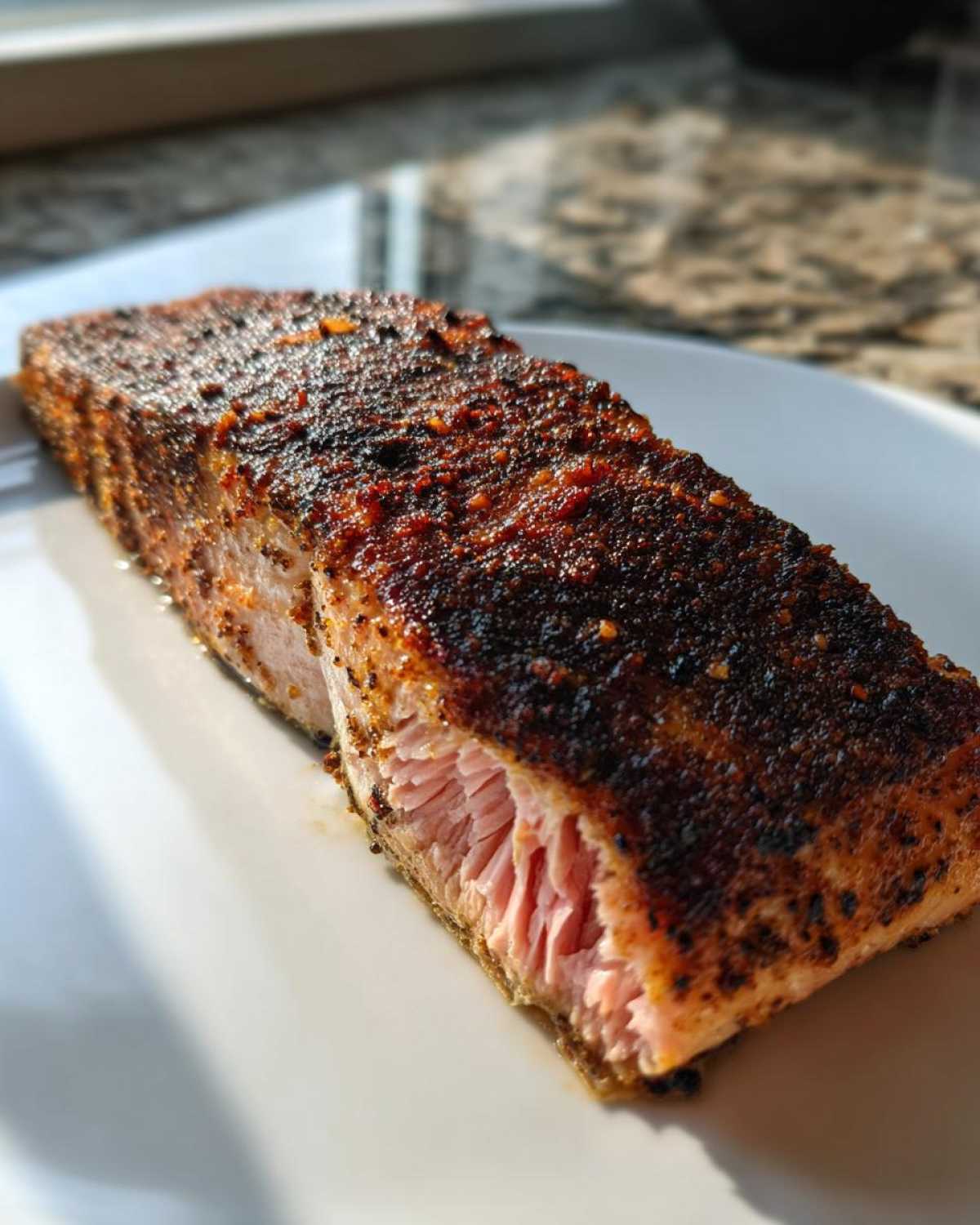
The Secret to Blackened Salmon: Homemade Blackened Seasoning
Okay, here’s where the magic really happens! If you buy one of those little packets of seasoning, that’s fine, but trust me, mixing your own blend is non-negotiable for truly great results. This custom seasoning is what gives our blackened salmon that deep, complex, slightly smoky flavor. It’s very similar to a classic Cajun spiced salmon mix, but tailored perfectly for fish.
When you make it yourself, you control the heat level—which is vital if you aren’t sure how spicy you want to go! This blend is so good, you’ll want to keep a jar of it ready for when a fast and easy fish dinner strikes you mid-week. It’s the foundational flavor for the best pan seared salmon crust.
Gathering Ingredients for Your Blackened Salmon
You only need a few things to mix up this powerhouse blend. Don’t be tempted to skip the paprika; that’s where we get most of that beautiful color! Remember, we aren’t using much oil in the seasoning itself, just enough to help it stick to the fish later on.
- 1 tablespoon paprika
- 1 teaspoon dried oregano
- 1 teaspoon dried thyme
- 1 teaspoon garlic powder
- 1 teaspoon onion powder
- 1/2 teaspoon cayenne pepper (definitely adjust this to your preferred heat!)
- 1/2 teaspoon black pepper
- 1/2 teaspoon salt
Also, make sure you are ready to use a good, high-heat oil, like avocado oil, for searing the fish itself. That oil can handle the heat coming off the pan better than everything else.
Step-by-Step Guide: How to Make Blackened Salmon on the Stovetop
Now that we have our fiery spice mix, let’s talk technique. Getting the timing just right is what separates a good piece of fish from a truly great, restaurant-worthy piece of blackened salmon. This whole process moves fast once the pan gets hot, so I recommend having everything—the mixed spices, the oil, and the dry fish—ready to go right beside the stove.
Preparing and Seasoning the Fish
First things first: take your beautiful, skinless salmon fillets and pat them down completely dry with paper towels. I can’t stress this enough—moisture is the enemy of crust! Once they are dry, take your homemade seasoning and pile it on generously. You want to press that blend firmly onto all sides of the fish. Don’t just sprinkle it; really massage those spices into the flaky salmon fillets so they stick tight while cooking.
Achieving the Perfect Sear for Your Quick Salmon Dinner
Get your biggest, heaviest skillet going over medium-high heat—if you have cast iron, pull it out! Add your high-heat oil (avocado oil is my pick) and let it get hot until you see it start to shimmer. Carefully lay the seasoned salmon down. Now, this is critical for our pan seared salmon crust: leave it alone! Don’t peek or jostle it for a good three to four minutes. That’s when that gorgeous, dark crust forms. Then flip it gently and finish cooking for another few minutes until it’s done!
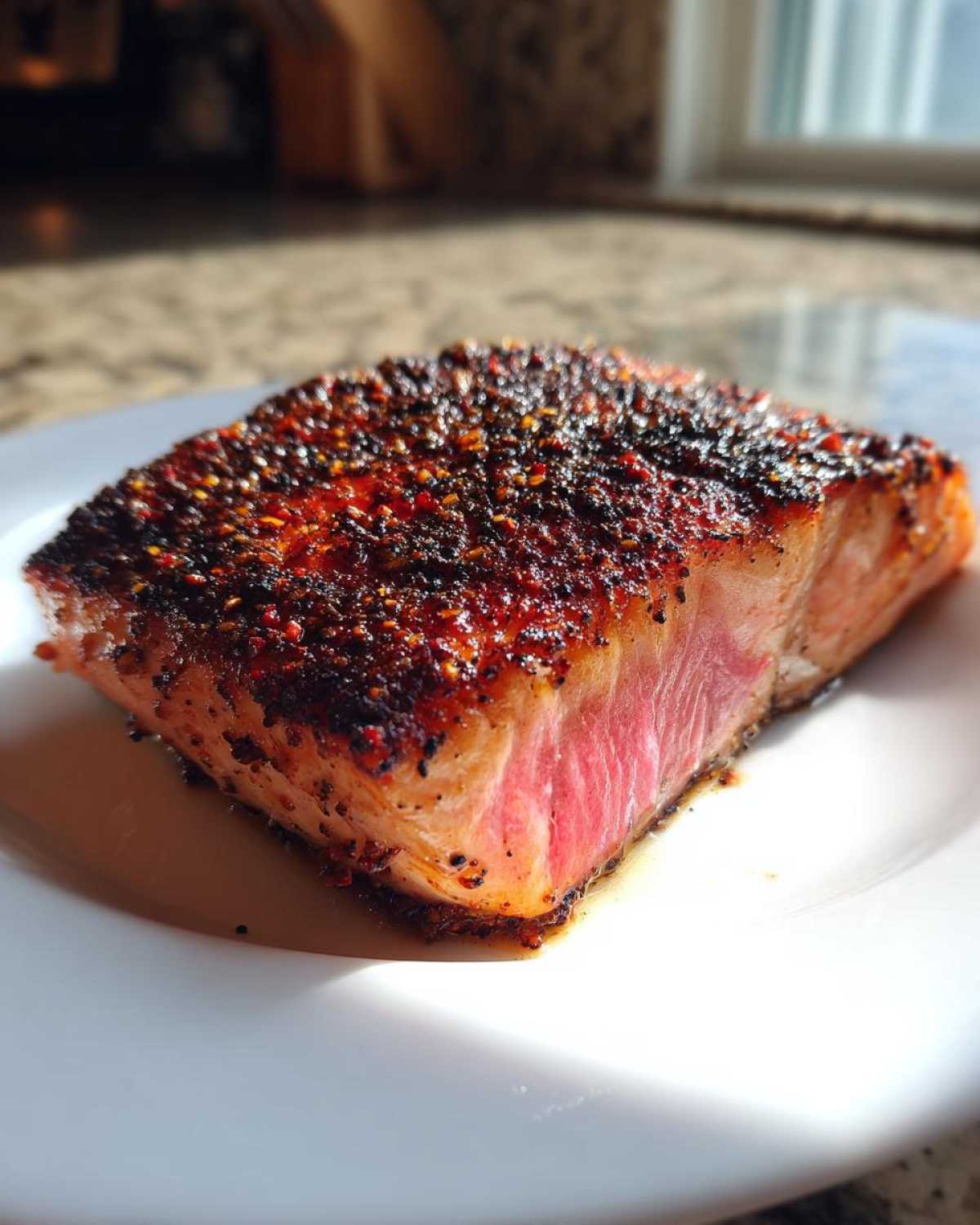
If you need an alternative to the skillet when time is tight, check out my easy honey garlic baked salmon recipe. Different flavor profile, but equally fast!
Making Easy Blackened Salmon Using Alternative Methods
Listen, sometimes I don’t even want to stand over a screaming hot skillet, you know? That’s why I love that the incredible flavor of this blackened salmon isn’t locked into just one cooking method. When you want a truly easy blackened salmon, tossing it in the oven or the air fryer is a fantastic backup plan. It still gives you that great spice crust, but with zero babysitting required, which is perfect for a busy night!
It takes a little longer overall, especially in the oven, but the cleanup is often much easier. These methods really shine when you’re building a bigger meal.
Tips for Oven Baked Blackened Salmon
If you’re going the oven route for your healthy salmon recipe, you still need that high-heat setting to set the crust! Preheat your oven to 400°F (200°C). Toss your seasoned fillets onto a lightly oiled baking sheet. Then, just let them bake for about 12 to 15 minutes. Keep an eye on them for the last five minutes. Thick fillets might need a couple of extra minutes to get that perfect flake.
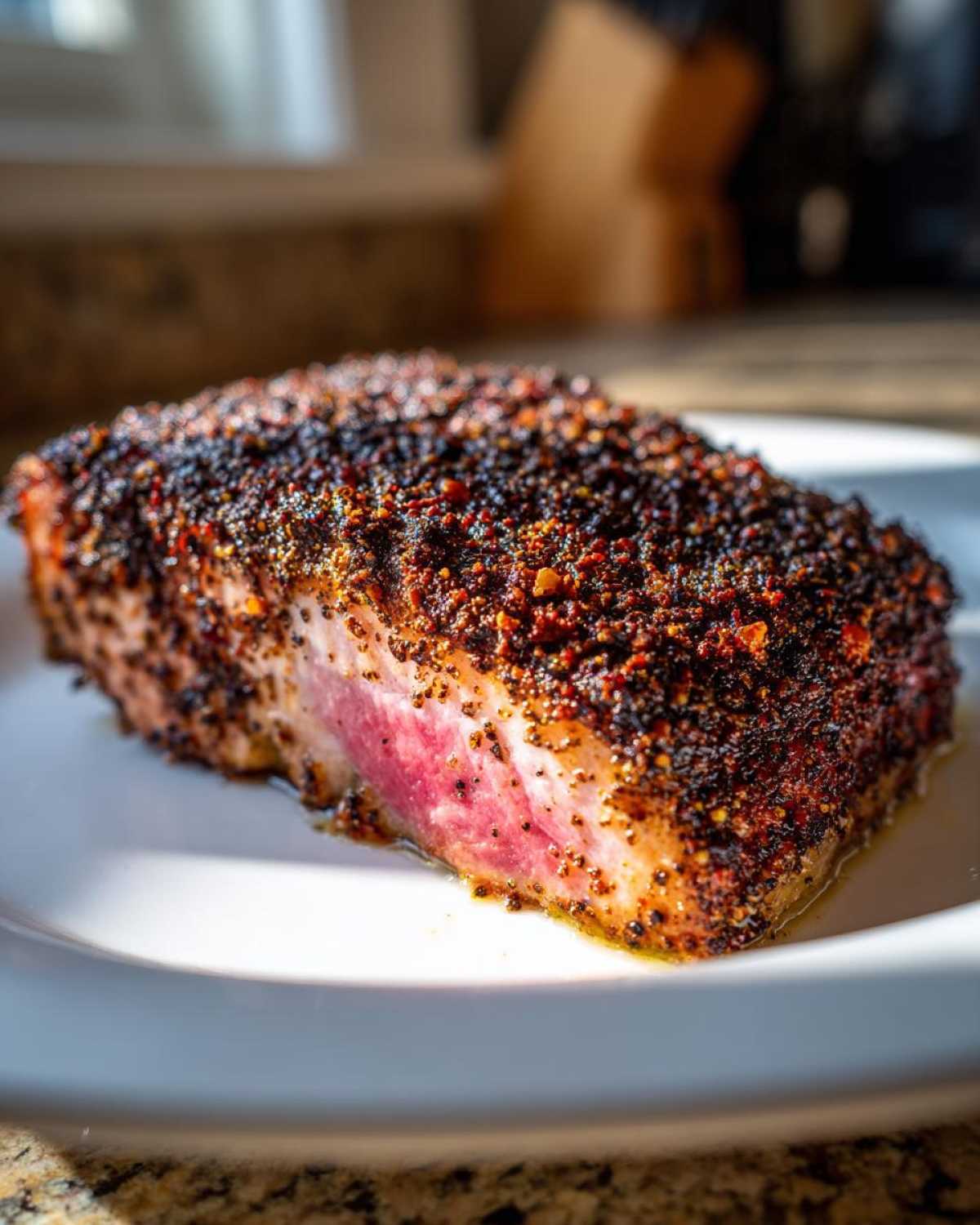
For hands-off perfection, especially if you love gadgets, the air fryer is brilliant! I use mine all the time, and it cooks up a beautiful, crispy piece of fish every single time. You have to check out my step-by-step guide on air fryer salmon for exact settings—it works great with this spice blend too!
Tips for Success with Blackened Salmon Fillets
You’ve mixed your spices and you’ve got your hot pan—awesome! But let’s talk quick fixes for the things that always seem to go wrong when cooking fish fast. My number one piece of advice, which I mentioned before, is the paper towel trick; if the surface isn’t dry, the crust will steam instead of sear, and you’ll end up with soggy fish.
Also, be careful with your heat management around that three-minute mark. If that beautiful seasoning starts smelling acrid or starts smoking uncontrollably, your heat is too high, and you need to pull the pan off the burner for thirty seconds before putting it back. You want dark, not charcoal—that’s the difference between a quick sear and a burnt mess!
Serving Suggestions for Your Fast and Easy Fish Dinner
Whew! That blackened salmon comes together so quickly, you’ve probably got about five minutes left before everyone is ready to eat. That’s just enough time to whip up a simple side dish or a quick topping! Because the fish itself is so intensely flavored and spicy—it’s got that big, bold flavor—you want to pair it with sides that are bright and fresh to cut through that richness. Don’t overcomplicate it; this is supposed to be a fast and easy fish dinner, after all!
My first suggestion is always fresh lemon wedges. Seriously, a big squeeze of tart lemon juice right over the top after it rests for a minute totally elevates the whole experience and brightens up all those spices. If you need a vegetable side that cooks almost as fast, you could try something sweet to balance the heat, like my maple dijon glazed carrots. They work beautifully!
Pairing with a Blackened Salmon with Sauce
If you’re feeling fancy or you made the cayenne a little too heavy-handed for your taste, a simple sauce is your best friend. You need something cooling to temper that spicy crust. A quick homemade dill sauce is perfect; just mix a little sour cream or Greek yogurt with fresh dill, a splash of lemon juice, salt, and pepper. It’s creamy, it’s bright, and it pairs perfectly with the flaky texture of the fish. A simple creamy topping like that turns this into a really elegant meal almost instantly!
Storage and Reheating Instructions for Leftover Blackened Salmon
Even though this blackened salmon disappears fast, sometimes you end up with a little bit left over, or maybe you made a double batch because you’re meal prepping! If you have any leftover fish, treat it right so it doesn’t dry out.
Make sure the salmon is completely cooled down before you pop it into an airtight container. It should last happily in the fridge for about three days. Now, for reheating, my biggest rule is: slow and low! The microwave is your enemy here; it blasts the moisture right out of the fish.
Instead, try reheating it gently in a non-stick skillet over the lowest heat setting possible, maybe with just a splash of water or lemon juice to create steam. Alternatively, you can wrap it loosely in foil and warm it up in a 300°F oven for about 10 minutes. That keeps that lovely texture right where it should be!
Frequently Asked Questions About Making Blackened Salmon
I always get asked the same few things when people try this recipe for the first time, especially about that beautiful crust we work so hard to achieve! It’s all about confidence in your pan heat and knowing what to look for. Don’t sweat it if you have questions; we’ll cover the main ones right here.
Can I use skin-on salmon for blackened salmon?
Absolutely, you can! Many people prefer cooking salmon with the skin on because it helps hold the fillet together and adds a little extra layer of protection against the fierce heat. If you use skin-on fillets, just make sure you start by placing them skin-side down first. You might need to add an extra minute or two to the initial sear time until that skin gets nice and crisp before you flip it over to finish the flesh side.
Is homemade blackened seasoning healthier than store-bought?
In my book, yes, it totally is! When you make your own custom spice blend, you’re in complete control of what goes in. Most store-bought spice mixes are loaded with extra sodium or—yuck—anti-caking agents that we just don’t need in our food. By mixing it yourself, you can control the salt and skip any fillers, which makes this recipe one of the best healthy salmon recipes out there!
What temperature should the skillet be for the best pan seared salmon crust?
This is the most important question for crust success! You want that skillet—preferably cast iron—to be screaming hot. Don’t just wait for the oil to look shiny. You are looking for the oil to be shimmering visibly, almost to the point where it looks like it might start delicately smoking. That high, consistent, searing heat is non-negotiable for locking in that flavor and creating that dark, intense crust you’re craving.
Estimated Nutritional Information for This Healthy Salmon Recipe
I always like to give a rough idea of what’s in our amazing blackened salmon, just so you know what you’re fueling up with! Remember, since we’re using simple ingredients and avoiding heavy sauces, this comes out sounding like a really fantastic, healthy salmon recipe. This information is based strictly on the four fillets listed in the ingredients, using avocado oil for the sear.
Keep in mind these are estimates, and if you use a different type of oil or end up adding a big dollop of that creamy topping we talked about, the numbers will change a touch. For the full legal rundown on how we figure these things out, you can always check out our full nutrition disclaimer.
- Serving Size: 1 fillet
- Calories: 320
- Protein: 37g
- Fat: 18g
- Saturated Fat: 3g
- Carbohydrates: 1g
- Sugar: 0g
- Sodium: 350mg
See? Lots of lean protein and minimal sugar. That’s why this recipe works so well for getting a delicious, flavorful dinner on the table without guilt!
Print
Quick Skillet Blackened Salmon
- Total Time: 15 min
- Yield: 4 servings
- Diet: Gluten Free
Description
Make restaurant-quality blackened salmon quickly using a simple skillet method and a homemade spice blend for a flavorful, spicy crust.
Ingredients
- 4 (6 ounce) salmon fillets, skin removed
- 2 tablespoons avocado oil or other high-heat oil
- 1 tablespoon paprika
- 1 teaspoon dried oregano
- 1 teaspoon dried thyme
- 1 teaspoon garlic powder
- 1 teaspoon onion powder
- 1/2 teaspoon cayenne pepper (adjust for heat)
- 1/2 teaspoon black pepper
- 1/2 teaspoon salt
Instructions
- Mix paprika, oregano, thyme, garlic powder, onion powder, cayenne pepper, black pepper, and salt in a small bowl to create the seasoning blend.
- Pat the salmon fillets dry with paper towels. This helps create a better crust.
- Generously coat all sides of each salmon fillet with the homemade seasoning blend, pressing the spices onto the fish.
- Heat the avocado oil in a large, heavy-bottomed skillet (cast iron works best) over medium-high heat until the oil shimmers.
- Carefully place the seasoned salmon fillets into the hot skillet. Do not overcrowd the pan; cook in batches if necessary.
- Sear the salmon for 3 to 4 minutes without moving it until a dark crust forms.
- Gently flip the fillets and cook for another 3 to 5 minutes, depending on the thickness, until the salmon is cooked through and flakes easily with a fork.
- Remove the salmon from the skillet and serve immediately.
Notes
- For a less spicy version, reduce or omit the cayenne pepper in the seasoning mix.
- If you prefer oven baking, place seasoned fillets on a baking sheet coated with oil and bake at 400°F (200°C) for 12 to 15 minutes.
- Serve this salmon with a squeeze of fresh lemon juice or a simple dill sauce.
- Prep Time: 5 min
- Cook Time: 10 min
- Category: Dinner
- Method: Pan Searing
- Cuisine: American
Nutrition
- Serving Size: 1 fillet
- Calories: 320
- Sugar: 0
- Sodium: 350
- Fat: 18
- Saturated Fat: 3
- Unsaturated Fat: 15
- Trans Fat: 0
- Carbohydrates: 1
- Fiber: 0
- Protein: 37
- Cholesterol: 105


Comments are closed.