
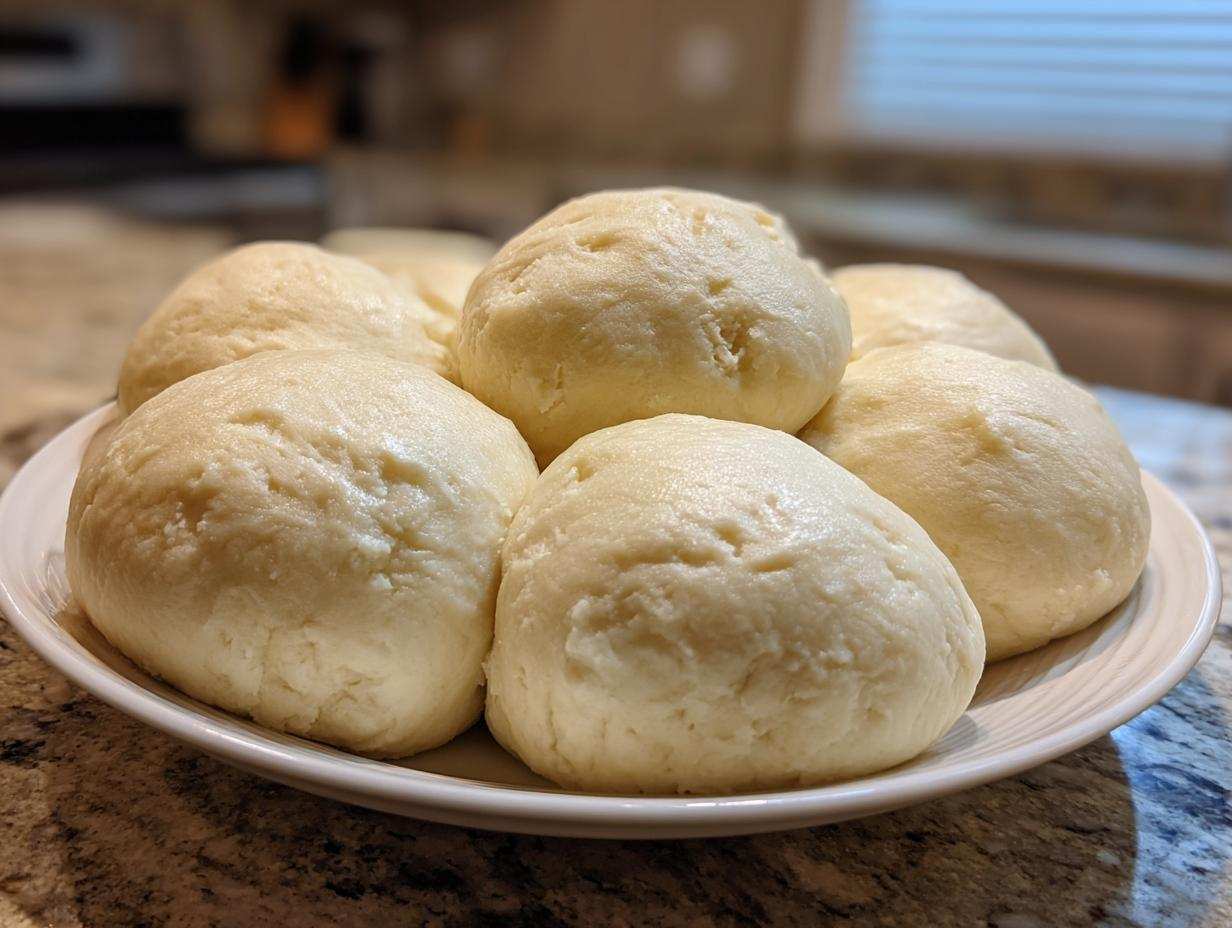
Oh my goodness, there is just nothing on earth like that first bite of soft, warm fufu dipped deep into a rich, simmering soup. It’s more than just food; it’s the hug your soul needed after a long day! For so long, I thought making that signature, stretchy dough looked way too complicated for a weeknight meal. I’d see these beautiful bowls of Egusi soup and sigh, thinking perfect fufu was a restaurant-only treat. But trust me when I say, I cracked the code! This recipe is my absolute go-to for making authentic-tasting, wonderfully elastic fufu right here in my kitchen, and it’s so easy, even if you’re a total beginner to West African Cuisine. Get ready for your new favorite comfort food!
What is fufu and why is it essential in West African Cuisine?
So, what exactly is this magical food? Fufu is what we call a ‘swallow food,’ and it’s totally central to so many meals across West African Cuisine. Think of it like the ultimate edible utensil! It’s not meant to be chewed much—you take a small piece of the warm, stretchy dough, form it into a little ball in your hand, make a small indentation, and use it to scoop up whatever delicious soup or stew you have waiting.
The texture is key here. It needs to be smooth, dense, and pliable enough to hold all that liquid—that’s where getting the mixing right comes in. Whether you’re using yam, plantain, or cassava flour, the resulting dough is the perfect, neutral base for powerful flavors like those in Egusi Soup or Light Soup. Honestly, eating fufu makes any meal feel like real Cultural Cooking.

Ingredients for Your Easy Homemade fufu Dough
Okay, you guys, this is the simplest part—seriously! For this extremely easy recipe that results in fantastic, pliable fufu, you only need two things. The main star is the fufu flour, which you can usually find labeled as cassava, yam, or a general blend. Make sure you grab the right kind for that authentic chew!
- 2 cups Fufu flour (cassava, yam, or plantain blend)
- 4 cups Water
That’s it! Two ingredients stand between you and amazing African Food tonight. Just remember, using the right flour makes all the difference for that perfect swallow food consistency.
Step-by-Step Guide: How To Make fufu
Don’t let the stiffness of this dough scare you off! The trick to truly wonderful, smooth fufu—the kind that doesn’t leave you with dry lumps—is all in the timing and the stirring. You need a strong wooden spoon for this part; your regular whisk just won’t cut it when things get thick! This whole process moves fast once you get started, so have everything ready to go.
Preparing the Water Base for fufu
First things first, grab a medium pot and get your four cups of water ready. Set the stove to medium heat and bring that water up to a rolling boil. Now, here is the critical step that saves you from lumps later: once it’s bubbling nicely, immediately take the heat down to low. We want a gentle simmer, not a raging boil, before we introduce the flour for our fufu dough.
If you dump the flour in while the water is too hot, you’re going to get sticky clumps that are nearly impossible to smooth out later. Trust me on this one—low heat adjustment is key for Beginner African Cooking!
Mixing and Developing the Stretchy Dough of fufu
Now, slowly start adding your two cups of fufu flour in small additions. As you pour in a little, you must stir constantly and vigorously with that wooden spoon. Keep stirring, folding the mixture over itself. It will transform very quickly from a thin slurry into a thick, heavy batter.
Keep cooking and folding this stiffer dough for about five to seven minutes. You are looking for that magic moment when all the grains are cooked through, and the resulting fufu feels elastic and smooth. You’re basically developing the gluten structure right there on the stove! When it has that gorgeous pull to it, it’s done. You can see the secrets to this method in my quick muffin recipe, showing how ingredient integration matters!
Expert Tips for Perfect fufu Texture and Consistency
Getting that fantastic, smooth fufu texture that just melts in your mouth takes a little insider know-how. You might think, “It’s just flour and water,” but those tiny details make the difference between great fufu and gummy fufu!
My biggest pro-tip, especially if you’re using a traditional cassava mash, is to sift that flour before it even touches the water. Trust me, sifting removes any tiny, resistant clumps before they even have a chance to form, guaranteeing a silkier final product. It’s also smart to check your flour bag for the exact type. If you’re using instant fufu flour, you might only need four minutes of stirring instead of the full seven. Always go by the feel!
And speaking of stirring—find yourself a sturdy wooden spoon, or maybe even one of those heavy rubberized spatulas. Mixing this thick dough is actual arm work! I know some folks use stand mixers, but that stiff mixture can burn out the motor, and honestly, the physical act of folding it over itself by hand is what creates that great natural stretch in the fufu. If you want to see how mixing technique can turn basic ingredients into something amazing, check out my French Toast recipe—it shows how surface agitation builds structure!
Classic fufu and Soup Pairings: Serving Suggestions
Once you’ve got your beautifully smooth, hot fufu dough, the best part is cutting it! It’s polite in African Food circles to shape the hot dough into small, neat balls—like lovely, dense biscuits—right before serving. Use a little water on your hands if it gets too sticky, then pop them onto the plate.

The reason we put in all that work for the perfect stretchy dough is for the scoops! This fufu is the ultimate Egusi Soup accompaniment. It goes brilliantly with almost any rich, flavorful broth, too. Don’t forget to try it soaking up Light Soup next time; that’s a marriage made in heaven for an incredible International Dinner Idea!
Storage and Reheating Instructions for leftover fufu
Now, I know you’re going to want seconds, but if you happen to have leftover fufu dough afterward, you need the right storage plan. Honestly, this is one of those African Stew Sides that is absolutely best enjoyed right off the stove! But if you must save some, wrap those leftover balls up tightly in plastic wrap or pop the whole batch into an airtight container. You can keep it in the fridge for maybe two days, tops.

The reheating part is simple, but you have to be patient! Don’t just microwave it plain, or you’ll get tough rubber! Pop the fufu into a small pot with just a splash of fresh water. Then, heat it on very low heat, stirring constantly. That little bit of steam brings that wonderful elasticity right back. If you try my chicken fried rice trick for perfectly separating grains, you’ll know that slow, low revitalization is key!
Common Questions About Making fufu (FAQ)
Can I use regular all-purpose flour instead of specialized fufu flour?
Oh, I get asked this a lot, especially by folks new to Beginner African Cooking! Technically, you *can* use regular wheat flour, but the result won’t be the same at all. Wheat flour has gluten, which makes it yeasty and bready, not smooth and elastic like true fufu. You’ll end up with something closer to a thick paste than the classic swallow food texture you’re aiming for. Stick to cassava, yam, or plantain flour for the authentic experience—it’s truly worth finding the right product!
How do I fix lumpy fufu after I’ve started cooking?
Don’t panic if you see lumps forming! This happens when you add the flour too fast or the water temperature dropped too low. The fix is simple but requires energy. Keep the heat low, and just stir like crazy, pressing those lumps against the side of your pot with your wooden spoon. If the lumps are really stubborn, take it off the heat for a minute, stir vigorously to break them up, and then put it back on low to cook through completely. A little extra kneading when it cools down helps, too!
What exactly is the difference between cassava fufu and yam fufu?
This is a great question about authenticity! Both are staples, but they taste slightly different. Cassava fufu tends to be a bit whiter and has a slightly milder flavor, making it a fantastic partner for highly seasoned soups. Yam fufu, on the other hand, often has a slightly yellower tint and sometimes carries a faint, earthy sweetness from the yam itself. Both will give you that essential stretch, though! If you’re experimenting, try making half a batch of each to see which flavor profile you prefer with your soup base. For more beginner tips on starches, check out my thoughts on whole wheat basics—the cooking method lessons cross over!
How long should my homemade fufu dough last in the fridge?
As I mentioned, fufu is truly best fresh, but life gets busy! You can safely store leftover dough in an airtight container in the fridge for about two days. After that, it gets really dense. To revive it, you must add a tiny splash of water and reheat it slowly over low heat, stirring constantly until that signature elasticity returns. It takes patience, but it saves you from wasting your hard work!
Nutritional Estimates for Homemade fufu
Now, I know some of you wonderful cooks are keeping track of macros even when diving into deep comfort food territory! I want to be super clear: since “fufu flour” can be yam, cassava, or plantain—all of which have slightly different profiles—these numbers are just helpful estimates for a standard serving size based on my recipe.
When I made this batch, I estimated what a single ball of that light, delicious fufu would bring to the table. Keep in mind that because this is primarily a starchy side dish perfect for soaking up soup, the carbs are the biggest component here. These estimates are based on a 4-serving yield, so adjust if you’re feeling extra hungry!
Here is what my batch generally worked out to be per serving:
- Serving Size: 1 ball
- Calories: Around 180
- Carbohydrates: 42g
- Protein: 1.5g
- Fat: About 0.1g
- Sugar: Less than 1 gram
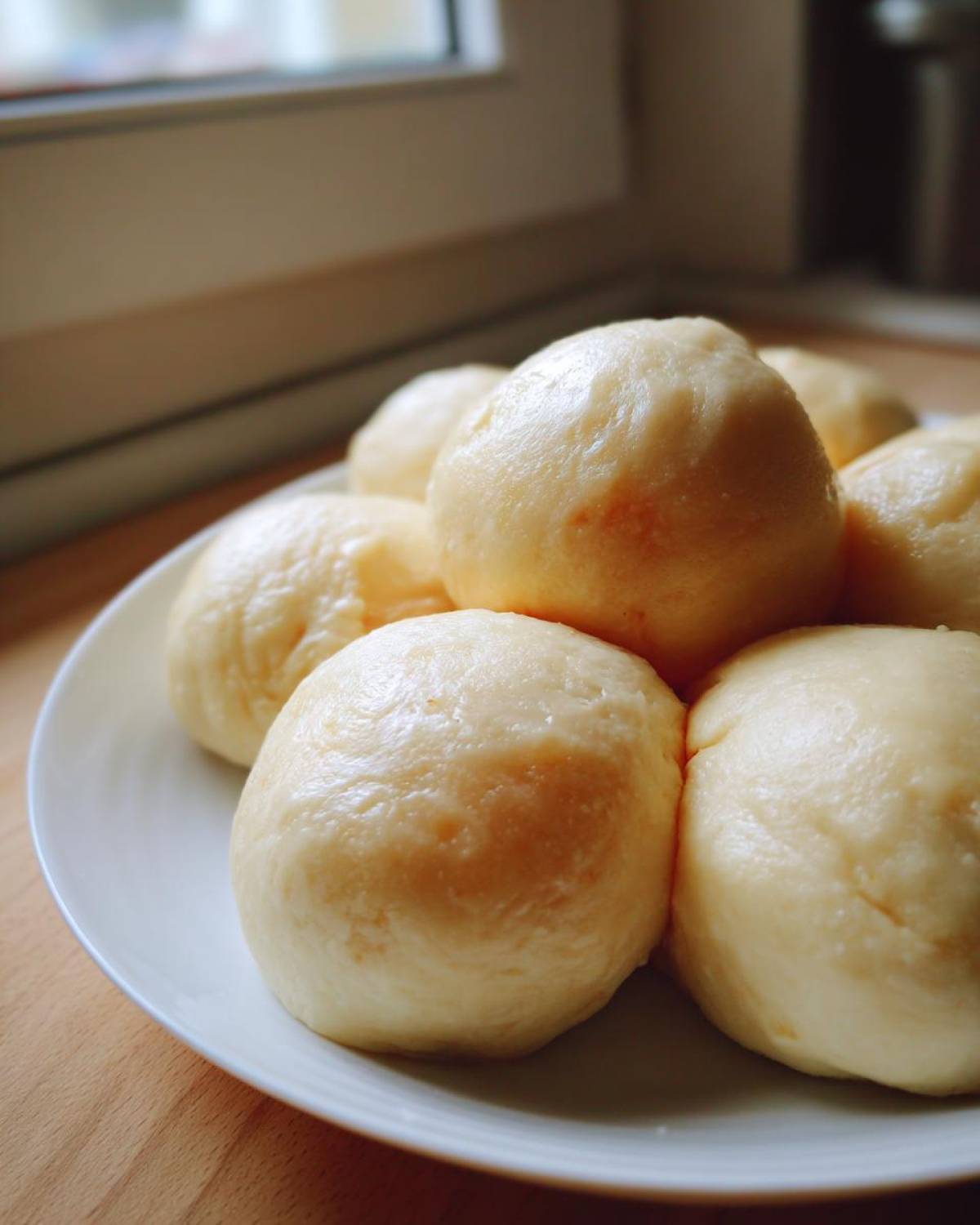
See? It’s practically fat-free! This is why fufu is such a staple; it’s pure energy to fuel you up for whatever delicious stew you pair it with. Just remember, these are estimates, but they certainly show you why we rely on this incredible African Food. Enjoy knowing you’re eating authentic, delicious swallow food!
Share Your Homemade fufu Experience
Now for the best part! I’ve told you all my secrets for achieving that perfect, stretchy, wonderful fufu dough, the very base of so many amazing meals in West African Cuisine. Are you going to try this easy method tonight?
Please, please, please let me know how it turned out! I get so excited seeing your creations. Did you pair it with your favorite stew? What did you think of the texture? If you made this fufu recipe, drop a rating below so other beginners looking for easy African Food know they can trust this method.
I love hearing about your kitchen adventures, especially when we conquer a dish that seems intimidating at first! Seeing your photos of that beautiful, smooth fufu ready for dipping is what keeps me coming back to the kitchen every time!
Print
Easy West African Fufu Dough
- Total Time: 15 min
- Yield: 4 servings
- Diet: Vegetarian
Description
Make traditional West African Fufu using this simple method. This dough pairs well with soups like Egusi or Light Soup.
Ingredients
- 2 cups Fufu flour (cassava, yam, or plantain blend)
- 4 cups Water
Instructions
- Place the water in a medium saucepan over medium heat. Bring the water to a boil.
- Once boiling, reduce the heat to low.
- Slowly add the Fufu flour to the hot water, stirring constantly with a wooden spoon or spatula.
- Continue stirring vigorously to break up any lumps. The mixture will thicken quickly into a stiff dough.
- Cook the dough for about 5 to 7 minutes, stirring and folding it over itself constantly until it becomes smooth and elastic.
- Remove from heat. You may need to knead it briefly on a lightly floured surface if lumps remain, but usually, continuous stirring is sufficient.
- Shape the hot dough into small, smooth balls for serving.
Notes
- For a smoother texture, sift the flour before adding it to the water.
- If you use instant fufu flour, the cooking time may be shorter.
- Serve immediately while hot with your preferred African soup or stew.
- Prep Time: 5 min
- Cook Time: 10 min
- Category: Side Dish
- Method: Stovetop Cooking
- Cuisine: West African
Nutrition
- Serving Size: 1 ball
- Calories: 180
- Sugar: 0.2
- Sodium: 5
- Fat: 0.1
- Saturated Fat: 0.0
- Unsaturated Fat: 0.1
- Trans Fat: 0.0
- Carbohydrates: 42
- Fiber: 1
- Protein: 1.5
- Cholesterol: 0



Comments are closed.