
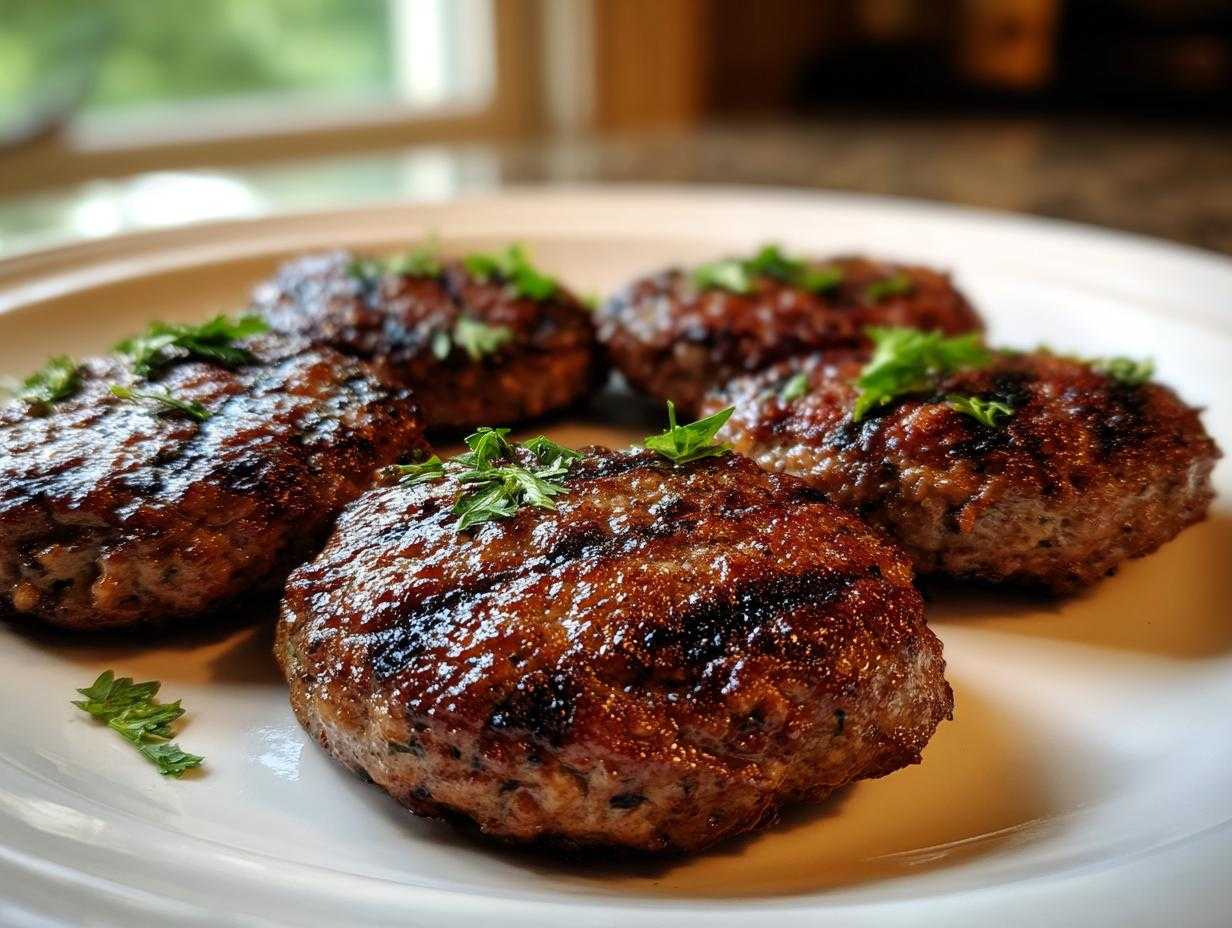
When the call to prayer sounds close to sunset during Ramadan, the last thing you want is a recipe that demands all your time and attention! We all crave something soulful, incredibly flavorful, and satisfying after a long day of fasting, right? That’s why I rely on this absolutely authentic recipe for Lebanese Kafta. Honestly, this isn’t just any meatball; these savory patties, packed with herbs and warm spices, are the quintessential main course you need when breaking your fast.
I’ve made this specific version of Lebanese Kafta Ramadan nearly every year since I started cooking for my own family’s Iftar table. It’s quick enough to throw together right after Asr prayer, and the aroma alone is worth the effort. It delivers that deep, meaty, perfectly spiced Middle Eastern flavor we all dream about.
We’re talking about a simple mix of ground beef and lamb, bursting with fresh parsley and that signature Middle Eastern spice blend. These cook up so fast—either on the grill or in the oven—making them perfect whether you need a hearty Iftar centerpiece or fantastic, easy fuel for Suhoor the next morning. Trust me, you’ll love how versatile and traditional these flavor bombs are!
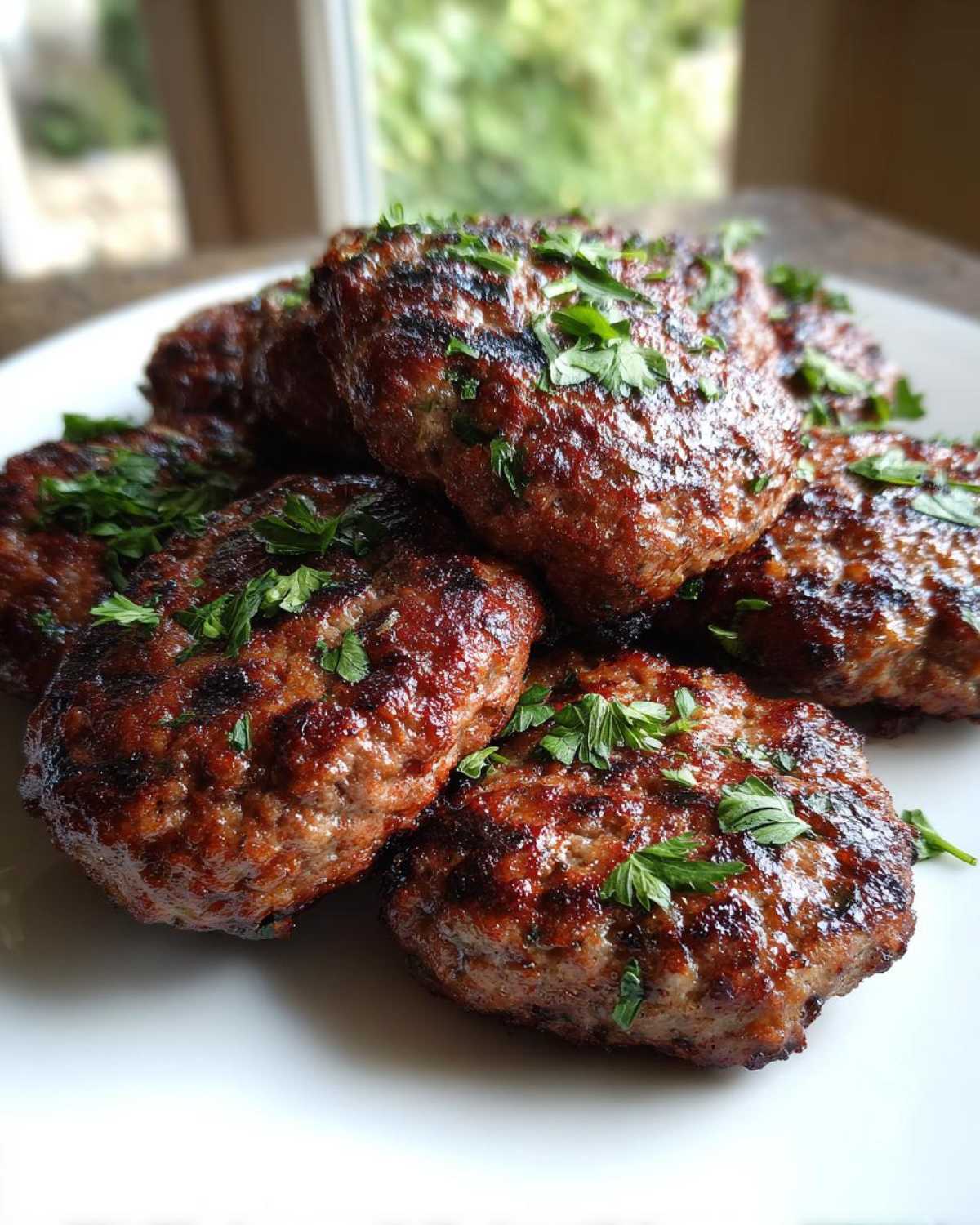
Why This Lebanese Kafta Ramadan Recipe Works for Iftar
When you’re racing the clock before sunset, anything complicated is just out. That’s why this Lebanese Kafta Ramadan recipe is my go-to! It truly shines as one of the best Ramadan Iftar meat dishes because the prep time is just twenty minutes. You get such a satisfying, hearty Lebanese main course without having to monitor a stew for hours.
The magic is that you can prep the mix completely ahead of time. Seriously, once it’s shaped, it just waits patiently in the fridge until you are ready to cook. You can have these beautiful, seasoned patties sizzling away quickly, providing a major, protein-packed component to your Iftar spread in hardly any time at all. It means less stress right before your family gathers.
It’s great for pairing, too! You can keep it simple with some pita, or if you have more time later in the month, use it as the foundation for something richer. Check out my trick for a simple sauce over on my weeknight sauce guide if you want a quick companion dip—though truly, they are fantastic just as they are!
Authentic Ingredients for Lebanese Kafta Ramadan
You can’t rush authenticity, especially when it comes to the spice blend in your Lebanese Kafta Ramadan. For the best results, you need that traditional pairing of beef and lamb. I always buy 80/20 ground beef because a little fat keeps these patties tender while cooking. Mixing in ground lamb gives you that deep, rich flavor that you just can’t replicate with beef alone.
The trickiest part is handling the onion, so listen up! You absolutely must grate one small onion finely, and then you have to squeeze out every single drop of moisture using a paper towel or clean cloth. If you leave that water in there, it totally messes up the binding, and your Kafta will fall apart when you try to cook them. Trust me on this one—drained onion is key for really good Authentic Kafta preparation.
We also need lots of fresh parsley, finely chopped. It brightens up the meat beautifully. Then you have your standard salt and pepper, but the real magic is in the spice mix. Forget generic blends; this is what defines the dish.
Spice Blend: The Secret to Great Lebanese Kafta Ramadan Flavor
This blend is non-negotiable for that classic taste! It’s the combination of allspice, which brings that warm, deep note, with just a hint of cinnamon for earthiness. I add a tiny pinch of cayenne sometimes, but honestly, the sweet heat from the allspice is the main character here. This specific mix is what transports you right to a Lebanese dinner table.
How to Master Authentic Kafta Preparation for Lebanese Kafta Ramadan
Okay, now that we have the perfect ingredients, it’s time for the technique that separates okay Kafta from *amazing* Kafta. This is the core of How to make Lebanese Kafta. You want flavor married together, not mushed apart!
Throw everything—the meats, the squeezed onion, the parsley, garlic, and all those glorious spices—into a big bowl. Then, you need to mix it. But here is the most important thing: use your hands, and mix until it’s *just* combined. If you overwork this mixture like you’re kneading bread, you’ll end up with dry, tough meatballs, and that is the saddest thing when you’re breaking your fast. I usually give it about fifty gentle squeezes and folds until I can’t see any white streaks of meat left. It should feel cohesive, not pasty. If you want tips on maintaining juiciness in formed meats, check out my guide on steak preparation; the texture rules crossover!
Shaping and Portioning Your Lebanese Kafta Ramadan Patties
Once mixed, it’s shaping time. For Iftar, I find that small, flat patties work best for quick grilling, about half an inch thick. This ensures they cook evenly and rapidly—a lifesaver when you’re hungry! Make sure they are all roughly the same size so they finish cooking at the same time. If you’re planning ahead for a busy evening or want something ready for Suhoor, this is the perfect time to shape them all. Just lay them out on a tray lined with parchment paper. They hold their shape beautifully in the fridge for hours!
Cooking Methods for Lebanese Kafta Ramadan: Grill vs. Bake
Your cooking method really determines the final texture, and both grilling and baking are perfect for our Lebanese Kafta Ramadan needs. If you’ve got some nice evening air and charcoal ready, grilling is my absolute favorite. It gives you those gorgeous char marks that add a smoky depth of flavor—that’s what makes a fantastic Middle Eastern grilled kofta!
For the grill, set it for medium heat. You only need to brush your patties lightly with olive oil; remember, there’s already fat in the meat. They only need about four to six minutes per side. Keep an eye on them! They cook fast, which is wonderful when you’re looking to get dinner on the table right after breaking your fast.
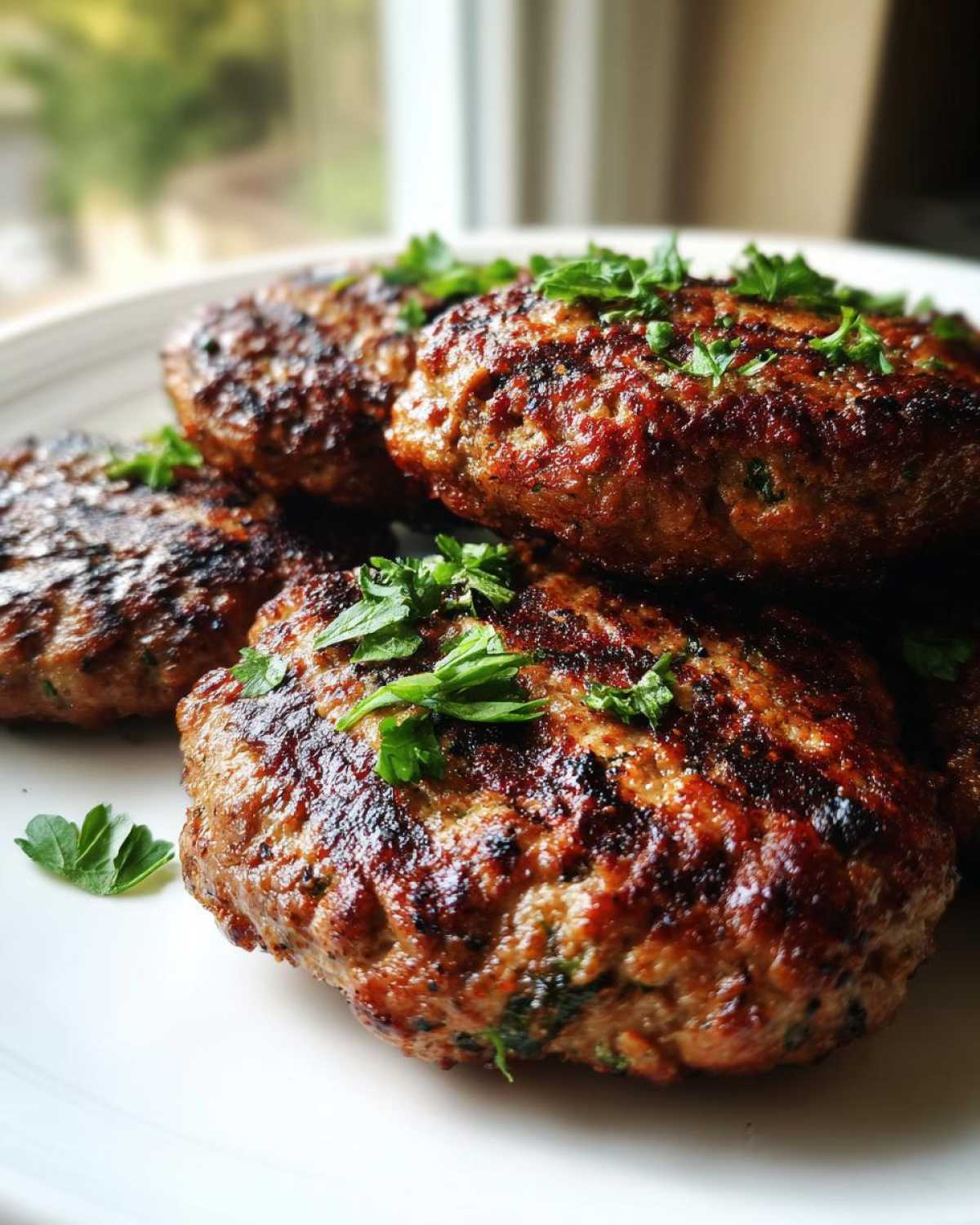
But if the weather isn’t cooperating or you just don’t want the cleanup, baking is super reliable. Preheat your oven to 400°F (200°C) and grease a baking sheet really well. Bake them for about 15 to 20 minutes total, making sure to flip them halfway through so both sides get golden brown. If you want to see how I get my oven-baked items super crispy, check out my secret for baked wings—it uses a similar principle to help the surfaces brown nicely!
Make Ahead Ramadan Recipes: Preparing Lebanese Kafta Ahead of Time
Ramadan cooking is all about being smart with your time, especially given the energy dips we all feel. That’s why this Lebanese Kafta Ramadan recipe is one of my favorite make ahead Ramadan recipes. Why rush mixing ground meat when you’re tired right before Iftar? You absolutely don’t have to!
You can prepare the entire meat mixture—all the beef, lamb, spices, and onions—the night before. Mix it thoroughly until just combined, cover that bowl tightly with plastic wrap, and tuck it into the back of your fridge. It hangs out there happily for up to 24 hours, letting those spices really meld and deepen the flavor. I often mix the Kafta after I’ve cleaned up from Suhoor so I wake up to perfectly seasoned meat ready to go.
It’s even better if you go the extra step and *shape* the patties the night before too. Lay them out on parchment paper, cover them, and they are ready to hit the grill or the oven the moment you decide it’s time to cook. It turns your 20 minutes of prep time into 5 minutes of active cooking time—that’s a game changer post-fasting!
If you’re like me and you like to meal prep things that last longer, you can totally freeze the shaped patties. Lay them on a tray until solid, then transfer them to a freezer-safe bag. They’ll be perfect warm fuel for later in the month, just like these freezable egg bites.
Serving Suggestions for Your Lebanese Kafta Ramadan Meal
You’ve perfected the meat, now let’s talk about what makes this a complete meal for your holy month gathering! Serving Lebanese Kafta Ramadan properly is almost as satisfying as cooking it. When we eat for Iftar, we need something that genuinely satisfies, but for Suhoor, we need something that won’t weigh us down too much until sunset.
For a huge Iftar spread, absolutely pile these patties onto a big platter surrounded by fresh fixings. I always make a huge bowl of simple Israeli salad—cucumbers, tomatoes, parsley, maybe some mint—tossed with lemon juice. It’s so refreshing against the rich meat. A must-have accompaniment is a generous drizzle of tahini sauce—you know, tahini blended with garlic, lemon, and ice-cold water until it’s creamy and pale.
If you are preparing these for Kafta for Suhoor and Iftar, timing your sides matters. If it’s Iftar, you might want to serve these with warm pita bread and maybe some hummus or yogurt dip. If it’s Suhoor, keep it lighter—just the Kafta and a little yogurt to aid digestion, maybe wrapped up tight in a pita to take on the go.
Honestly, grilled onions and tomatoes straight off the coals are the only other topping you need. Keep it focused on those fresh, zesty flavors to balance out that deep, savory meat, and your family will be asking for this Lebanese staple every week!
Variations of Lebanese Kafta Ramadan Dishes
While the basic patty is perfection on its own—especially when you want a quick bite for Suhoor—sometimes you need to stretch the meat or turn it into a whole different amazing dish for a bigger Iftar gathering. Don’t worry, you already have the *hard* part done with that perfect spice mix for your Lebanese Kafta Ramadan base!
My absolute favorite way to change things up is by turning these into Kafta bil Tahini. This means you just skip shaping them into patties. Instead, you roll the raw mixture into meatballs, arrange them snugly in a baking dish, and then cover them completely with a sauce made from tahini, lemon juice, water, and garlic. Bake that until the sauce is bubbling and thick. It’s so much more luxurious for a formal Iftar!
Another classic that is wonderfully hearty is Kafta bil Batata, or Kafta with potatoes. For this, you shape the raw mix into small balls—no flattening!—and bake or fry them slightly first just to set the shape. Then, you layer them in a pot with sliced potatoes, tomatoes, and onions, covering it all with a light tomato broth seasoned with a little bay leaf. It simmers until everything is soft and tender. It’s a completely different, comforting meal, but it all starts right here with your perfectly spiced ground meat.
If you like burgers, you can certainly make larger patties and serve them on a bun; just make sure they cook a little longer. Think of the possibilities! Even when I’m experimenting with veggie patties, I always go back to this savory flavor profile, like the spices I use in my sweet potato burger recipe, just to keep that Middle Eastern thread running through the meal!
Storage and Reheating Instructions for Kafta
One of the best things about preparing a big batch of Lebanese Kafta Ramadan patties is knowing you’re set for leftovers! Honestly, I almost always over-prepare, because there is nothing better than having pre-cooked protein ready to go, especially for that early morning Suhoor meal when you’re tired.
If you have leftovers that weren’t completely devoured at Iftar, just let them cool down completely first. Then, store them in an airtight container in the fridge. We found they stay delicious and perfectly safe for about three or four days. Three days is my usual limit, but they are so flavorful they rarely last that long!
For freezing, which is fantastic if you’re stocking up for later in the holy month, make sure they are cooled first. Place them on a baking sheet separated by parchment paper and freeze them solid. Once frozen, you can toss them into a good zipper bag. They last beautifully for up to three months. This is a lifesaver when you need a super quick quick Kafta dinner recipe!
The Best Way to Reheat Your Kafta
Reheating is crucial if you want to keep that moisture we worked so hard to build in! Please, please, please don’t just microwave them until they look okay. That’s how you get dry, sad Kafta.
The best method is reheating them gently in a skillet with just a splash of water or a bit of rich beef broth—that moisture steams them slightly and keeps them tender. Cover the skillet and heat on low to medium-low until warmed through. It only takes a few minutes, and they taste nearly as good as fresh off the grill. Slow and low is the ticket to keeping the meat juicy, similar to how I handle reheating those amazing slow-cooked steak bites!
If you’re heading out the door for Suhoor and only have a microwave, use the defrost setting first, then heat in short 30-second bursts, covering the patties with a damp paper towel to trap a tiny bit of steam. It’s not perfect, but it beats eating them cold!
Frequently Asked Questions About Lebanese Kafta Ramadan
When I first started making this recipe for my growing family during the holy month, I had so many questions bubbling up! It’s always good to double-check the traditional methods. I’ve rounded up the ones I hear the most so you can feel completely confident presenting these amazing Traditional Lebanese ground meat kebabs at your table.
Is Lebanese Kafta traditionally eaten during Ramadan?
Oh yes, absolutely! Kafta is a cornerstone of Lebanese family cooking, and it really shines when you need substance after a long fast. It’s considered a wonderful, filling main dish for Iftar because it’s pure protein and flavor. It’s not necessarily exclusively a Ramadan dish, but because it’s quick to cook and so satisfying, it becomes an Iftar staple for so many of us during that time. It’s definitely on our regular rotation for Hearty Lebanese main courses during the month.
Can I substitute the lamb in this Lebanese Kafta Ramadan recipe?
You totally can! I know lamb isn’t always easy to find, or maybe some folks just aren’t big fans. While the combination of beef and lamb gives you that deep, authentic complexity—that wonderful flavor profile of Classic Syrian Lebanese cuisine—you can certainly make this recipe using all ground beef. Just make sure you use an 80/20 mix, or add one tablespoon of olive oil to the meat mixture yourself. Fat is flavor and moisture insurance, remember?
If you try using all beef, make sure you don’t skip tasting the seasoning because the beef itself tends to be milder than the lamb. You might want a little extra pinch of that allspice!
What’s the best way to keep my Kafta incredibly moist?
This is the question everyone asks! Honestly, the secret isn’t just the spices; it’s managing the moisture *in the onion* and knowing when to stop mixing. Never, ever use wet onions—that’s moisture loss later! Also, the lamb helps a lot. But besides the prep, if you find your patties are slightly dry after they cool slightly (maybe heading into Suhoor), just toss them in the pan with a tiny film of yogurt or a little bit of water and cover them over low heat for a minute. They steam right back to life! It’s an easy trick to keep moisture locked in, much like the methods I use when baking my favorite sweet things, like my quick chocolate mug cake.
Print
Traditional Lebanese Kafta for Ramadan
- Total Time: 35 min
- Yield: 4 servings
- Diet: Halal
Description
A straightforward recipe for authentic Lebanese Kafta, perfect for Iftar or Suhoor during Ramadan.
Ingredients
- 1 lb ground beef (80/20 recommended)
- 1/2 lb ground lamb
- 1 small onion, finely grated and squeezed dry
- 1/2 cup fresh parsley, finely chopped
- 2 cloves garlic, minced
- 1 teaspoon salt
- 1/2 teaspoon black pepper
- 1 teaspoon allspice
- 1/2 teaspoon cinnamon
- 1/4 teaspoon cayenne pepper (optional)
- 1 tablespoon olive oil (for grilling/baking)
Instructions
- In a large bowl, combine the ground beef, ground lamb, grated onion, parsley, garlic, salt, pepper, allspice, cinnamon, and cayenne pepper if you are using it.
- Mix the ingredients thoroughly with your hands until they are just combined. Do not overmix, as this can make the Kafta tough.
- Shape the mixture into small, flat patties (about 1/2 inch thick) or small sausage shapes. For make-ahead convenience, you can shape them and place them on a parchment-lined tray in the refrigerator.
- Preheat your grill to medium heat or preheat your oven to 400°F (200°C). If baking, lightly grease a baking sheet.
- If grilling, brush the Kafta lightly with olive oil. Grill for 4 to 6 minutes per side until cooked through and nicely charred.
- If baking, place the patties on the prepared sheet and bake for 15 to 20 minutes, flipping halfway through, until browned.
- Serve hot with pita bread, fresh vegetables, and tahini sauce or yogurt.
Notes
- You can prepare the Kafta mixture up to one day ahead and store it covered in the refrigerator. Shape just before cooking.
- For Suhoor, consider making Kafta patties and cooking them slightly less, then reheating them quickly in the morning.
- This recipe uses a mix of beef and lamb for traditional flavor; you can use all ground beef if preferred.
- Prep Time: 20 min
- Cook Time: 15 min
- Category: Main Course
- Method: Grilling or Baking
- Cuisine: Lebanese
Nutrition
- Serving Size: 4 patties
- Calories: 350
- Sugar: 1
- Sodium: 450
- Fat: 22
- Saturated Fat: 9
- Unsaturated Fat: 13
- Trans Fat: 0
- Carbohydrates: 4
- Fiber: 1
- Protein: 32
- Cholesterol: 110


Comments are closed.