
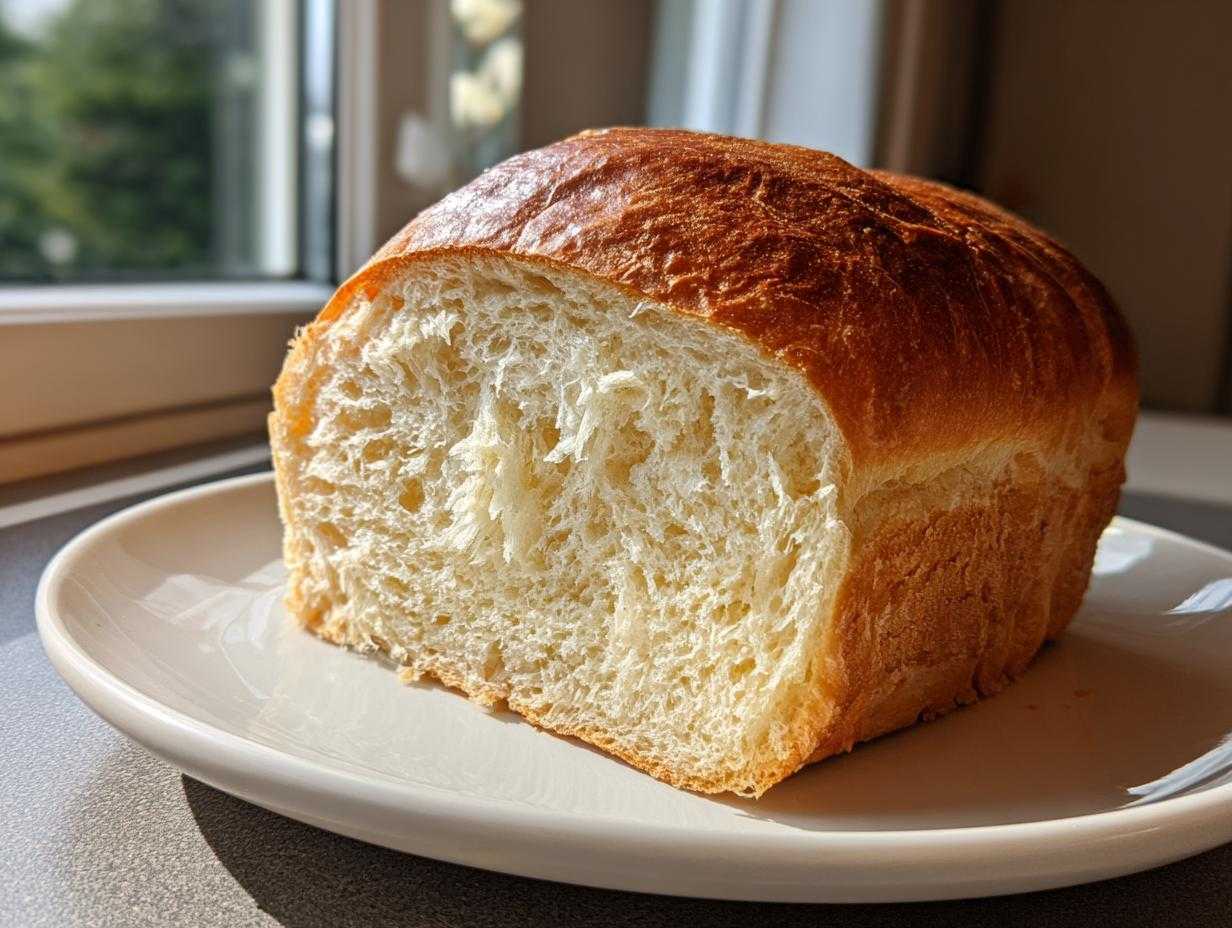
Oh, let’s be honest for a second. Making artisan sourdough is super fun, right? All those huge, beautiful holes? Stunning! But try making a PB&J with one of those crumbly monsters, and you end up with jelly sticking out everywhere. It’s a mess! For years, I thought a soft, fluffy, sliceable loaf using natural leaven was some kind of baking myth. I tried everything, and usually ended up with a dense brick or something that shredded if you looked at it wrong.
But folks, I cracked the code! This sourdough sandwich bread recipe is the game-changer you’ve been hunting for. It has that perfect, mild tang we all love from our starter, but the texture? It’s soft, it’s forgiving, and it slices like a dream—even when it’s fresh out of the oven (though I’ll tell you why you *must* wait!). Mastering this loaf proved to me that you don’t have to choose between homemade sourdough and a proper sandwich. This recipe gives you true, beautiful softness.
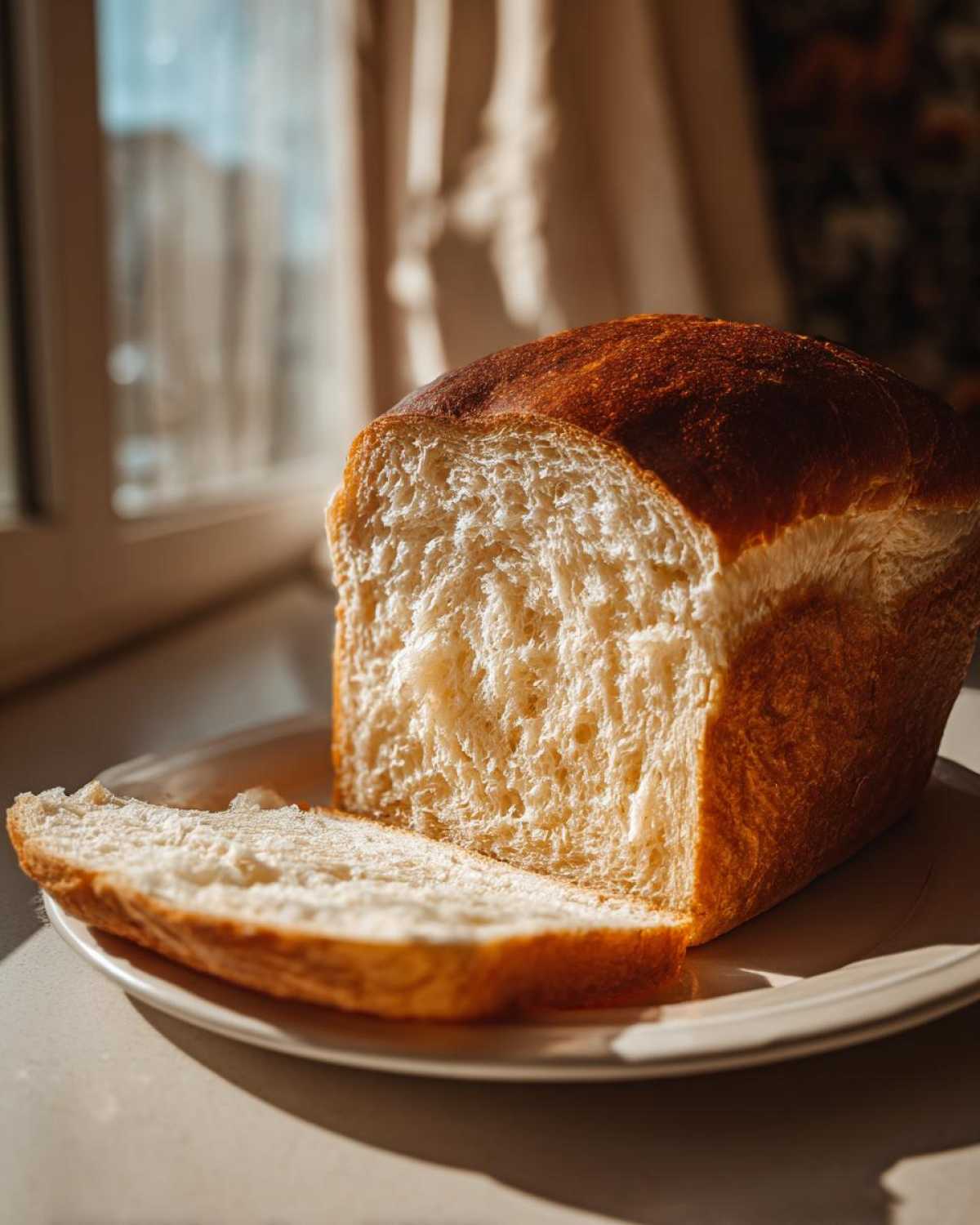
Why This is the Best Sourdough Sandwich Bread Recipe
I know what you’re thinking: another sourdough recipe? But this one is different, promise! This isn’t just about getting a slight rise; this is about texture you can take to the picnic without worrying about it disintegrating. We’ve cracked the code that makes this loaf perfect for the kiddos and anyone who just wants a really sturdy piece of toast.
If you’ve struggled with traditional, lean sourdough, you’ll find this approach so much more satisfying. It hits all the marks:
- It delivers that wonderfully Soft Sourdough Bread texture you usually only get from yeasted versions.
- It’s surprisingly Easy Sourdough for Beginners because the shaping is straightforward and the long proofing window gives you wiggle room!
- It’s consistently sliceable—no more weird giant holes interrupting your cheese slice!
Achieving a Fluffy Sourdough Tutorial Crumb
The big secret here is enrichment, honestly. We aren’t making a lean, rustic boule; this is a proper Sourdough Sandwich Loaf Recipe! I add a tiny bit of butter and some honey right at the beginning. That fat and sugar coat the flour particles, inhibiting just enough gluten development so the crumb stays tender and fluffy instead of becoming chewy and super open like an artisan loaf. It’s the perfect texture for a satisfying sandwich, right?
Perfectly Sliceable Sourdough Recipe Structure
Structure is everything when you need those perfect squares. Instead of just letting the dough spread out during its final proof, we are really focusing on building surface tension when we shape it into a tight log suitable for the loaf pan. That tight little package holds up beautifully during baking. This careful shaping, combined with the mild tang from the starter, makes it a fantastic, Kid Friendly Sourdough that everyone, even the pickiest eaters, will love!
Gathering Ingredients for Your Sourdough Sandwich Loaf Recipe
Before we dive into the mixing and the stretching dance, let’s make sure your workspace is set up with exactly what we need. Remember, because this sourdough sandwich bread is slightly enriched, we’re using a few extras that guarantee that soft texture we are chasing. Don’t panic about the list; it’s simple stuff! The most important thing to check is your starter.
Make sure you have an active sourdough starter that has been fed about 4 to 8 hours before you plan to mix. It should be bubbly, jiggly, and at its peak activity. Here’s what you’ll need for one beautiful loaf:
- 100g active sourdough starter (fed 4-8 hours prior)
- 350g warm water (aim for around 85F—not too hot!)
- 500g bread flour (this high-protein flour is key for structure)
- 10g fine sea salt
- 20g unsalted butter, softened to room temperature—this is crucial!
- 15g honey or maple syrup
That butter being nice and soft makes such a huge difference when you incorporate it later on. Trust me on this one!
Step-by-Step Instructions for Making Sourdough Sandwich Bread
Alright, this is where the magic really starts! Don’t look at the steps and feel overwhelmed; we’re just helping the wild yeast do its job. We are treating this dough a little more gently than a super slack artisan dough because we have that butter and honey in there, which means everything is a bit richer. Pay close attention to those rest times—that’s where the real flavor and structure develops for this Sourdough Sandwich Loaf Recipe.
Mixing and Autolyse for the Sourdough Sandwich Loaf Recipe
First things first: grab your big bowl. We start by mixing the active starter, the warm water—remember, not boiling hot, just warm to wake up those yeasts—and the honey and that softened butter. Whisk those wet ingredients together until the honey has dissolved and the butter is mostly incorporated. It might look a little weird, but just keep going!
Next, dump in the flour and the salt. Now, mix this by hand until you have absolutely no dry flour patches left. Seriously, scrape the bottom well. Your dough at this point will look incredibly shaggy and rough; that’s perfect! Don’t try to knead it smooth. Cover the bowl and let it sit for 30 minutes. This resting period is called the autolyse phase. It lets the flour fully hydrate before we start working it, which makes the dough much easier to handle later on. I love this 30 minutes; it’s my perfect time to clean up the measuring cups!
Developing Strength: Stretch and Folds
Time to build some strength! We aren’t doing traditional kneading here; we are just going to encourage the dough to organize itself. For the next two hours, you’ll perform four sets of stretch and folds, spaced exactly 30 minutes apart. You handle this just like you would a regular sourdough, but be gentle since the butter makes it softer.
To do a stretch and fold: wet your hand, gently slide it under the dough mass, lift the center up as high as you can without tearing it, and then smoothly fold that top layer over onto itself. Rotate the bowl a quarter turn and repeat until you’ve done all four sides. After the fourth set, the dough should feel noticeably smoother and hold its shape a bit better. This step is what ensures you get that open structure for your Fluffy Sourdough Tutorial crumb without relying on super aggressive mixing!
Shaping and Pan Proofing for a Sliceable Sourdough Recipe
Once you finish your folds, let the dough rest, covered, for another hour or two at room temperature. You are looking for about a 30% to 50% increase in volume. It shouldn’t double, or you risk over-proofing in the pan!
Now, turn that dough out onto a very lightly floured surface. For this Sliceable Sourdough Recipe, shaping matters a lot. Gently stretch the dough into a rough rectangle. You want to create surface tension. Fold the sides into the middle, like folding a letter, and then roll the entire shape tightly into a uniform log, sealing the final seam underneath by pinching it closed with your fingers. This tight seal is essential!
Lightly grease your 9×5 inch loaf pan—I use a little vegetable oil. Place your shaped dough log into the pan, seam-side down. Cover it loosely with plastic wrap or a damp tea towel. Now comes the final proof. This usually takes between 3 to 5 hours, depending on your kitchen temperature. You know it’s ready when the dough has risen about an inch proud of the top rim of the pan. Don’t let it go past that mark, or it might collapse slightly in the oven!
Baking and Cooling Your Homemade Sandwich Loaf Sourdough
Get your oven preheated to 375F (190C) and put that rack in the lower third of the oven. A lower position helps the bottom bake evenly before the top gets too dark. Bake this Homemade Sandwich Loaf Sourdough for about 35 to 45 minutes. If you notice the crust getting deeply golden around the 25-minute mark, just tent it loosely with foil. That foil keeps the crust soft while the inside finishes baking.
The absolute non-negotiable step to avoid gummy centers: use an instant-read thermometer! When the internal temperature hits 205F (96C), it’s done. Pull it out immediately, turn it out of the pan onto a wire rack, and here’s the hard part—let it cool completely. I mean *completely*, about two hours. If you slice it hot, the trapped steam escapes, and you get a gummy mess. Resist, my friend! Once it’s cool, these slices are perfect for everything, even making excellent French toast later on, check out my recipe for classic French toast!
Tips for Success with Your Enriched Sourdough Bread
Even with the best instructions, baking is all about paying attention to the dough, isn’t it? Since this is an Enriched Sourdough Bread, meaning we’ve added fat and sugar, there are a few key habits I picked up over the years that I think will really help you nail that perfect, soft texture every single time.
My first big tip about the starter: make sure it’s *really* active. If your starter is sluggish, the honey and butter we added will weigh the dough down, and you’ll end up dense. You want a starter that has doubled or tripled its size within four hours of feeding. If it doesn’t look robust, wait another feeding cycle. Rushing the starter is the fastest way to a disappointing loaf!
Secondly, regarding temperature control: feel the dough during the stretch and folds. Because the butter is in there, the dough often feels warmer than a plain loaf. If your kitchen is already warm (say, above 75F), you absolutely must reduce the proofing time slightly. Warm dough over-proofs much faster, which leads to that spongy texture we are trying so hard to avoid. I often stick my final proofed loaf into the fridge for 30 minutes just to chill the outer layer before baking if I feel it’s climbing too fast!
Finally, regarding handling: remember that butter makes everything slippery! When you are shaping this Homemade Sandwich Loaf Sourdough, use the lightest touch of flour possible on your counter. Too much flour means the dough won’t seal properly during the shaping roll, and you’ll get blowouts during the bake. Treat it like soft velvet, not stiff clay. If you’re looking for other soft baked goods, you have to try my classic banana muffins recipe next!
Ingredient Notes and Substitutions for Sourdough Sandwich Bread
Even though this sourdough sandwich bread recipe is fairly straightforward, the choice of ingredients really dictates how soft and sliceable your final loaf turns out. I always tell people that when you’re aiming for that perfect, fluffy result, you can’t just throw any bag of flour or any sweetener into the mix. The recipe relies on a few specific things working together beautifully.
Let’s talk flour first, because this is where many beginners stumble when trying to make a great sourdough sandwich loaf recipe. You really, really need bread flour here. Bread flour has a higher protein content—usually 12% or more—which means more gluten development. That gluten is what gives the structure needed to trap all those beautiful air bubbles we work so hard to create during the folds. If you use standard All-Purpose flour, you might find your loaf collapses or gets too cakey and crumbly because it just can’t hold the structure.
Why We Need Bread Flour Over All-Purpose
Think of it this way: artisan bread is often happy with AP flour because a rustic, slightly irregular crumb is okay. But for the perfect slice every time, you need that structural integrity that only bread flour provides. It’s the foundation for that beautiful, tight crumb!
Sweeteners: Honey vs. Agave vs. Skipping It
We use honey, or maple syrup as a substitute, mostly for two reasons: flavor and texture regulation. The sugar feeds the yeast, but more importantly, it physically keeps the bread softer for longer by attracting and binding moisture. If you absolutely can’t use honey or maple syrup—maybe you’re avoiding sugars for dietary reasons—you can skip it. I’ve tested it! But be warned: the resulting Naturally Leavened Sandwich Bread won’t stay quite as soft overnight, and it won’t brown quite as richly on the crust.
If you choose to swap, agave nectar is the closest thickness substitute, but it is sweeter than honey, so you might want to drop the measurement down by just a teaspoon or two. Just experiment; that’s part of the fun!
The Butter Temperature Rule
I noted that the butter needs to be softened, and I can’t stress this enough: softened, not melted! Softened butter means you can press your finger into it and leave a dent, but it shouldn’t look oily or liquidy at all. If you melt it, it acts like oil, and it coats the flour particles too completely, preventing the gluten strands from linking up properly. Melted butter leads to a flatter, greasy loaf. Softened butter creams beautifully with the honey and starter, giving us that rich, Buttery Sourdough Texture we are aiming for!
Storage & Reheating Instructions for Soft Sourdough Bread
Okay, you’ve waited the agonizing two hours, and you’ve finally sliced into your beautiful, fluffy loaf. Now we have to keep it this way! The enemy of a soft sourdough bread loaf like this is usually air exposure, which dries it out surprisingly fast. You notice that slight sweetness from the honey keeps it fresher longer than a lean loaf, but proper storage is still paramount.
My first rule: do not, under any circumstances, put this loaf in the refrigerator! Seriously, don’t do it. Cold temperatures make bread go stale much faster, and we worked way too hard to get this Naturally Leavened Sandwich Bread soft just to ruin it in the fridge.
Best Way to Store Your Sourdough Sandwich Loaf Recipe
For 1 to 2 days, the best method is wrapping it snugly. Once the loaf is completely cool—and I mean cool to the touch, all the way through—I wrap it tightly in plastic wrap first, and then tuck that whole package into a zip-top bag or an airtight container. The plastic wrap traps the moisture we worked so hard to build in there. This keeps it soft enough that you can still cut thin, perfect slices for daily sandwiches.
If you aren’t going to eat the entire loaf within two days, you should absolutely freeze it. This is the secret to having sourdough toast bread available whenever you need it! Slice the entire loaf first—this is key! You don’t want to try cutting a half-frozen loaf. Wrap the individual slices (or small stacks of two) tightly in plastic wrap, and then place those bundles into a freezer-safe bag. It lasts beautifully for about three months.
Waking Up Day-Old Sourdough Sandwich Bread
If your loaf has been sitting out for a day or two and you notice it’s firmed up just a bit—maybe it’s a little too tough for a soft deli meat sandwich—don’t despair! You can easily revive it. This works great for preparing slices for French toast, too, because slightly stale bread soaks up the custard better! If you want to use the revived slice for French toast, check out my classic French toast recipe!
When refreshing a single slice, you have two options. If you just want to soften the bread slightly for a tuna melt or a plain sandwich, a quick 10-15 second blast in the microwave often does the trick. It steams the bread back to life temporarily. But honestly? For the best flavor and texture comeback, you can’t beat the oven or toaster.
Reviving Slices in the Oven
For toast or bruschetta, preheat your oven to 350F (175C). If you want soft bread, briefly spritz the outside of the slice with a tiny bit of water before popping it in for about 5 minutes. If you want crispy toast, skip the water and let it bake until golden. The gentle heat pulls the internal moisture back into the crumb without drying it out completely.
The Quickest Refresh for Homemade Sandwich Loaf Sourdough
If you’re just making one sandwich, pop the slices directly into your toaster. The quick, dry heat brings out that wonderful nutty flavor from the sourdough without committing to a long baking time. It gives you that perfect crunch for a great slice without sacrificing the softness of the interior crumb.
Serving Suggestions for Naturally Leavened Sandwich Bread
I swear, once you have a perfect loaf of sourdough sandwich bread cooling on the rack, your mind just races with possibilities! It’s so much more versatile than those big, gaping artisan loaves. Because we got that tight, even crumb, this bread can handle anything you throw at it, soggy toppings included. Seriously, once you have a sturdy slice, you open up a whole new world of lunchtime potential!
Of course, a great, thick slice of this loaf is glorious just as a basic sandwich—turkey, ham, or just simple cheese. But I think the mild tang works especially well when paired with strong, earthy flavors. It stands up to them without overpowering the filling.
The Ultimate Sourdough Toast Bread
If you’re making breakfast, this loaf is my absolute favorite for toasting. Because we used that honey and butter in the dough, when you toast it, the edges caramelize just enough to give you this incredible, slightly crunchy exterior while the center stays soft and warm. It’s the ideal canvas for avocado toast—the avocado just sinks right in without slipping through huge holes! This makes it the perfect sourdough toast bread. Seriously, smash a ripe avocado on it, top with flaky salt and red pepper flakes, and you’ve got heaven on a plate.
Beyond Sandwiches: Go French Toast Crazy!
Okay, if you’re reading this past day one and your loaf has firmed up just a touch? Perfect! Stale bread makes the absolute best French toast. Because this bread is already slightly enriched with the butter, it already has a head start on richness. When you dip those slices into your egg custard, they absorb so thoroughly without dissolving into mush.
I love dipping these thick slices and frying them up until golden brown. The slight sourness of the bread really cuts through the sweetness of the syrup and powdered sugar. It’s a brunch staple at my house now. If you need the recipe on how I make mine fluffy on the inside and crisp on the outside, you absolutely must check out my famous classic French toast recipe!
Using Sliceable Sourdough Recipe for Homemade Croutons
Don’t let stale bits go to waste! Since this sliceable sourdough recipe has such a uniform texture when it dries out, it makes the best croutons ever. Just cube up those older slices, toss them generously with olive oil, dried herbs like oregano and thyme, maybe a little garlic powder, and bake them low and slow until they are totally crisp. They are so much better than the store-bought, flavorless stuff. They stay crunchy longer because of the slight density we built in!
Frequently Asked Questions About Making Sourdough Sandwich Bread
I get so many great questions about this recipe after people try to make their first sourdough sandwich loaf recipe. It’s a little different from a standard artisan loaf, so I wanted to tackle the most common worries right here so you feel super confident heading into the kitchen. Success depends on managing expectations when you’re baking an enriched dough!
Can I make this Sourdough Sandwich Loaf Recipe without Honey?
Yes, you absolutely can! If you need to skip the honey for any reason, go right ahead. Remember, that sugar—whether it’s honey or maple syrup—does two jobs for us in this sourdough sandwich bread. First, it’s a little bit of extra food for the starter, which helps guarantee that rise. Second, and more importantly for the texture, sugar actually inhibits drying out. It holds onto moisture!
If you omit it, the loaf will still bake up beautifully soft because of the butter, but it might lose that *buttery sourdough texture* richness a little faster on day two. Also, without that extra sugar, your crust might be slightly paler after baking. So, you won’t ruin the bread, but you lose a little insurance against staleness!
Why is my Sourdough Sandwich Bread dense?
That’s the million-dollar question when you’re aiming for a Fluffy Sourdough Tutorial crumb! Density usually comes down to one of two culprits when dealing with a beginner sourdough loaf: a weak starter or under-proofing—or sometimes both. If your starter wasn’t fully active (it needs to be bubbly and ready to go), it just doesn’t have the power to lift that enriched dough mass, which includes the butter and honey.
The second big reason is usually the final proof in the pan. If you rush this stage, the dough hasn’t developed enough internal gas structure to support itself when baking. Remember how I said to wait until it’s about one inch above the rim? If you pull it out when it’s only halfway up, it will bake dense, kind of like very heavy sandwich bread. Watch that rise time closely!
How much tang should this Best Sourdough Sandwich Bread have?
This is a fantastic question that speaks right to the heart of why we make this kind of loaf! If you are looking for that sharp, mouth-puckering sourness you get from a long-fermented, lean country loaf, you might be disappointed here. This is designed to be the Best Sourdough Sandwich Bread, which means it needs to be mild enough for kids or for pairing with delicate flavors.
Because we are using an enriched dough (butter, honey) and a slightly shorter overall bulk fermentation than a rustic loaf, the flavor stays much more balanced. You’ll get that wonderful, complex, slightly acidic background note that tells you it’s naturally leavened, but it won’t overwhelm your peanut butter. It’s the perfect happy medium for everyday use!
Nutritional Estimates for Sourdough Sandwich Bread
Now, I’m definitely not a nutritionist folks, so please keep this noted! Baking is my joy, not calorie counting, but I know a lot of you plan your meals, so I wanted to give you a ballpark idea of what’s in a slice of this perfectly soft sourdough sandwich bread. Remember, these numbers are just based on the ingredients listed in the recipe above, using standard US averages for bread flour, water, and those small amounts of honey and butter we added.
If you use different brands of flour, swap in whole wheat, or use a mountain of butter on your toast later, your numbers will change, naturally! But for a standard slice from the loaf made according to the recipe, here are the general estimates. These are surprisingly reasonable considering how rich and wonderful this sliceable sourdough recipe tastes!
- Serving Size: 1 slice
- Calories: 250
- Protein: 9g
- Carbohydrates: 50g
- Fat: 3g
- Sugar: 1.5g
- Sodium: 350mg
- Fiber: 2g
- Saturated Fat: 1.8g
- Unsaturated Fat: 1.2g
- Trans Fat: 0g
- Cholesterol: 8mg
I love that even being an enriched sourdough bread, the fat content stays pretty controlled, mostly coming from that tablespoon of butter we added for flavor and texture insurance. And hey, 9 grams of protein from just a slice of bread? Not too shabby for your weekday lunch!
Share Your Perfect Sourdough Sandwich Bread Results
Now that you’ve gone through the whole process—from mixing the starter to smelling that incredible aroma as it baked—I genuinely want to hear about it! Making this specific sourdough sandwich bread is such a rewarding bake because the payoff is so practical. I can’t tell you how many times I’ve gotten emails saying, “Finally, a loaf my kids will eat!”
If this recipe worked for you, please, please leave a star rating right here on the page. Those ratings help other folks who are hesitant about tackling a sourdough loaf know that they can trust this method for a real sliceable sourdough recipe.
Tell Me About Your Slice!
The biggest compliment I can get is hearing about the slice! Did it come out uniform? Did it hold its shape when you cut it thin? Did you manage to wait the full two hours before slicing into that soft, magnificent interior? Drop a comment below and tell me how your Soft Sourdough Bread turned out—I read every single one, and I love seeing your successes!
Print
Soft and Sliceable Sourdough Sandwich Bread
- Total Time: 3 hours 15 min
- Yield: 1 loaf
- Diet: Vegetarian
Description
A recipe for making sourdough bread with a soft texture and tight crumb, ideal for slicing and using in sandwiches.
Ingredients
- 100g active sourdough starter (100% hydration)
- 350g warm water (around 85F)
- 500g bread flour
- 10g fine sea salt
- 20g unsalted butter, softened
- 15g honey or maple syrup
Instructions
- Mix the active starter, warm water, honey, and softened butter in a large bowl until combined.
- Add the flour and salt to the wet ingredients. Mix by hand until no dry flour remains. The dough will be shaggy.
- Cover the bowl and let the dough rest for 30 minutes (autolyse).
- Perform four sets of stretch and folds, spaced 30 minutes apart. Gently stretch the dough up and fold it over itself, rotating the bowl after each fold.
- After the final set of folds, let the dough rest, covered, at room temperature for 1 to 2 hours, or until it has increased in volume by about 30-50%.
- Gently turn the dough out onto a lightly floured surface. Shape the dough into a tight log or oval suitable for a standard 9×5 inch loaf pan.
- Place the shaped dough seam-side down into a lightly greased 9×5 inch loaf pan.
- Cover the pan loosely with plastic wrap or a damp towel. Proof the dough at room temperature for 3 to 5 hours, or until the dough has risen about 1 inch above the rim of the pan.
- Preheat your oven to 375F (190C) with the rack in the lower third position.
- Bake the loaf for 35 to 45 minutes. If the top browns too quickly, loosely tent it with aluminum foil after 25 minutes.
- The internal temperature should register 205F (96C) when done.
- Remove the loaf from the pan immediately and cool completely on a wire rack before slicing, about 2 hours.
Notes
- Using bread flour provides the necessary gluten structure for a good sandwich crumb.
- For a slightly richer flavor, substitute 25g of the water with milk.
- Wait until the bread is fully cool before slicing to prevent a gummy texture.
- Prep Time: 30 min
- Cook Time: 45 min
- Category: Baking
- Method: Baking
- Cuisine: American
Nutrition
- Serving Size: 1 slice
- Calories: 250
- Sugar: 1.5
- Sodium: 350
- Fat: 3
- Saturated Fat: 1.8
- Unsaturated Fat: 1.2
- Trans Fat: 0
- Carbohydrates: 50
- Fiber: 2
- Protein: 9
- Cholesterol: 8



Comments are closed.