
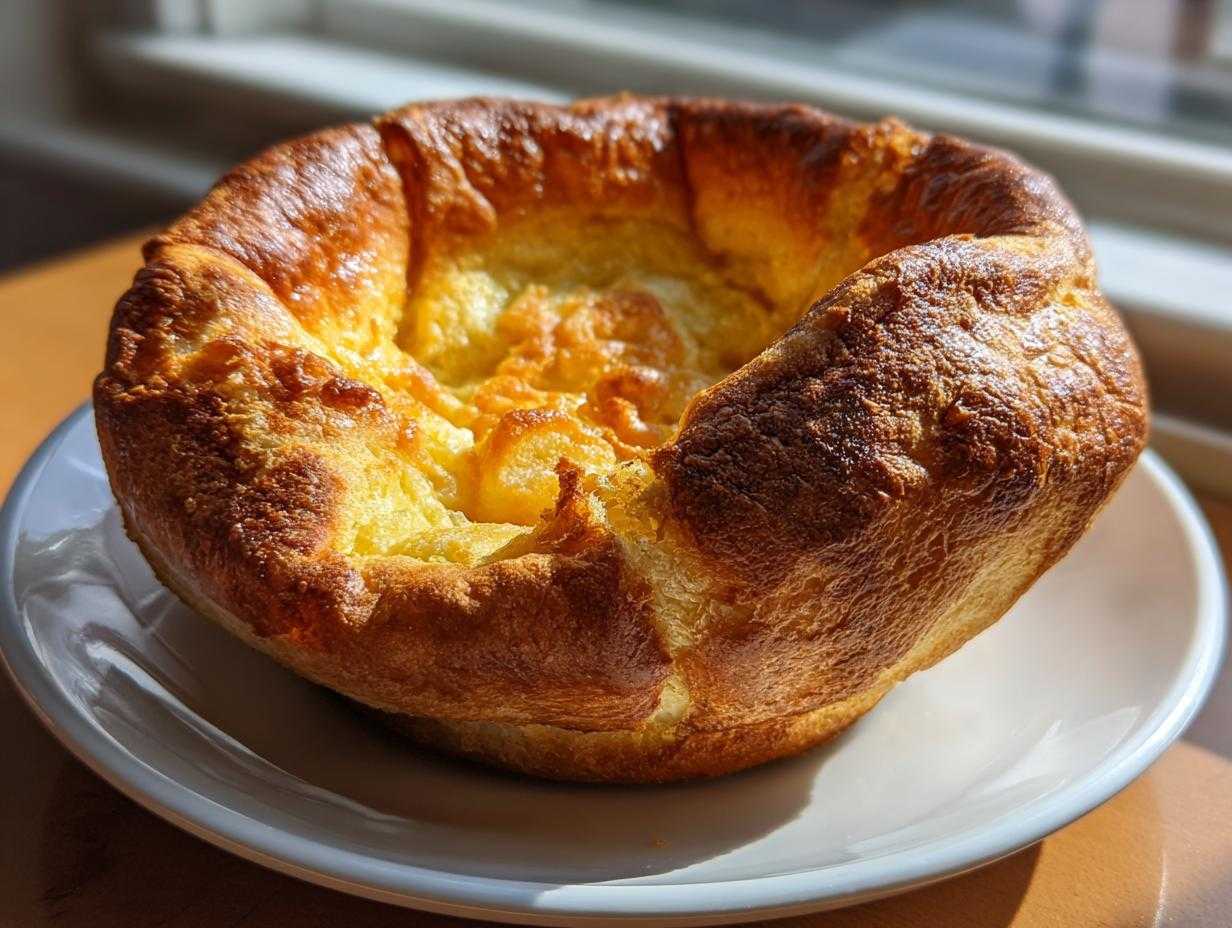
Oh my goodness, if there is one thing that says ‘Sunday Dinner’ louder than a perfectly roasted joint of beef, it’s the smell of massive, golden Yorkshire puddings erupting in the oven. Friends, I’m Alexander Knight, and while my journey started in a Texan kitchen watching my uncle turn humble ingredients into magic, I have absolutely mastered the quintessential British classic: the Yorkshire pudding. It’s not just a side dish; it’s the vessel for gravy, the cloud that completes the meal!
I’ve messed these up plenty of times—we all have! Flat, greasy discs that refuse to rise. But trust me, after years of testing batches in my own kitchen, I finally cracked the code. This **Yorkshire pudding** recipe I’m sharing today is genuinely foolproof. We are aiming for towering, crispy edges, a deep golden-brown color, and an impossibly light, airy interior. Get ready for the best **Yorkshire Pudding** you’ve ever baked for your Sunday roast.
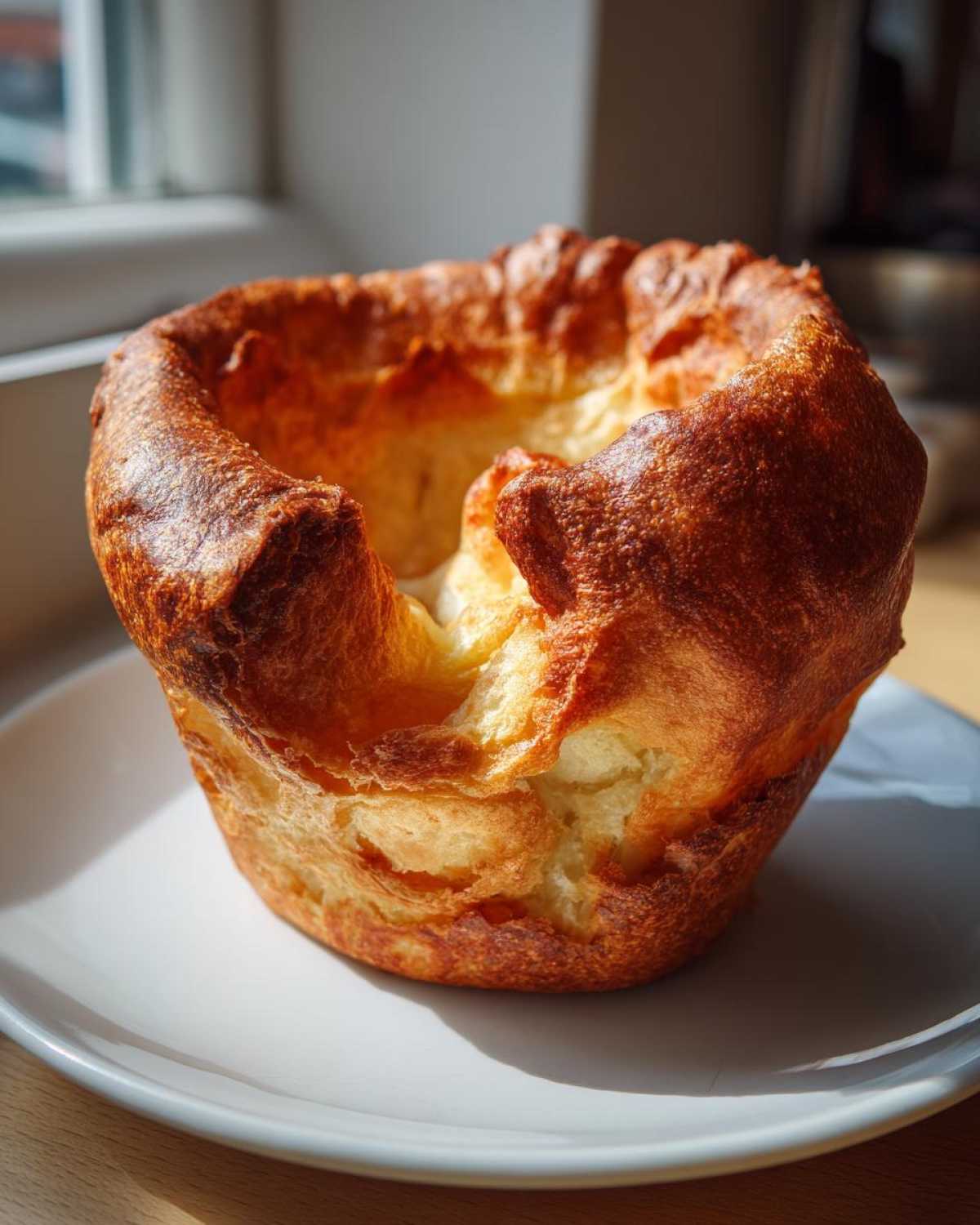
Why This Foolproof Yorkshire Pudding Recipe Works (The Science of the Rise)
Making a Yorkshire pudding that actually pokes the ceiling takes more than just mixing flour and eggs; it takes a little bit of kitchen physics! If you’ve been struggling, the secret to getting those magnificent, **Fluffy Yorkshire Puddings** lies in managing three key temperatures and textures. This is one of my top **Yorkshire Pudding Tips and Tricks**.
First, your batter needs a nice, long chill. Second, your oven needs to be blazing hot. And finally, the fat you cook them in? It has to be absolutely screaming hot.
The Importance of Resting Your Easy Yorkshire Pudding Batter
This step is non-negotiable, even if you’re in a huge rush. Your batter needs time to rest so the gluten we just worked into the flour can relax completely. Think of it like letting dough proof; if the gluten is too tight, it fights the heat, and you get thick, dense puddings. I usually make mine the night before because honestly, the longer it rests in the fridge, the better they puff! But if you absolutely must bake them sooner, give the batter at least 30 minutes chilling time.
Achieving Smoking Hot Fat for Crispy Yorkshire Puddings
This is it, folks—the moment of truth! You need to preheat the fat in the tin for a full 10 minutes at 450°F (230°C). When you pull that tin out, that oil or beef dripping (which I love, by the way!) *must* be smoking. I remember the very first time I saw that glorious smoke; I was so scared I’d burn the kitchen down! But when I poured in that cold batter and slammed the door shut, the *hiss* and the immediate rise were unbelievable. That heat shock is what forces the pudding up instantly, ensuring you get those gorgeous **Crispy Yorkshire Puddings** every single time.

Ingredients for the Best Yorkshire Pudding
For the **Best Yorkshire Pudding**, we need to stick to the basics. This list is short because we want quality over complexity. Remember, since we are using simple pantry items, this is one of the most cost-effective side dishes you can make for a big **Sunday Roast Recipes** spread!
Ingredient Clarity and Preparation
When assembling your ingredients, precision matters! Don’t try to fudge these numbers; they are balanced for the perfect rise.
- 4 large eggs
- 1 cup all-purpose flour
- 1 cup whole milk
- 1/2 teaspoon salt
- Vegetable oil or beef dripping for cooking (this is what gets smoking hot!)
Make sure your eggs are cold from the fridge when you start mixing, even though the batter needs to rest later. That contrast between the cold batter and the hot fat is key for those tall towers!
How to Make Yorkshire Puddings: Step-by-Step Instructions
Alright, let’s roll up our sleeves and turn this simple batter into magnificent, **Golden Brown Puddings**! While the full ingredients list is nearby, here’s exactly how you handle the steps to nail that perfect rise every time you want to know **how to make Yorkshire puddings** from scratch.
Mixing the Yorkshire Pudding Batter
We start by getting the dry stuff ready first. Take your flour and salt and put them in a good, sturdy bowl. Then, make a little well right there in the middle. Crack those four cold eggs right into that dip. Now, this is important: you need to work gently! Start whisking just the eggs, slowly pulling in the flour from the edges. Don’t rush it! Once it gets thick, slowly keep adding that whole milk while you whisk continuously. You want a very thin batter—thinner than pancake mix, really, more like heavy cream. A few tiny lumps are totally fine; don’t go whipping it into oblivion or you’ll work too much gluten in. This is why we rest it later!
The Crucial Preheating and Fat Heating Stage
This is where the magic starts heating up! We need our oven roaring at 450°F (230°C). Get your muffin tin—or your larger roasting pan if you’re making big ones—inside that hot oven to preheat. Once the oven tells you it’s ready, carefully pull the tin out. Now, drop about a teaspoon of vegetable oil or, if you’re feeling traditional, beef dripping, into every single cup. Pop that tin right back into the heat for a full 10 minutes. I mean it, 10 minutes! You are waiting until that fat is smoking hot. If you watch one of my videos on Cowboy Cornbread Casserole, you’ll see I check the smoke point religiously!
Baking Your Fluffy Yorkshire Puddings
Okay, working quickly now! Pull the smoking hot tin out. Carefully pour the cold batter into the hot pools, filling them about one-third full—no more! Get that tin straight back into the 450°F oven immediately. And here’s the biggest rule, the one that separates the pros from the flatter-than-a-pancake crowd: DO NOT OPEN THE OVEN DOOR for at least 15 minutes. Seriously, walk away! They need that uninterrupted heat to puff up gloriously. They should take about 20 to 25 minutes total. You’ll know they’re done when they look incredibly tall, deeply golden brown, and you can hear them crackling a little. Take them out, and serve those amazing **Fluffy Yorkshire Puddings** right away!
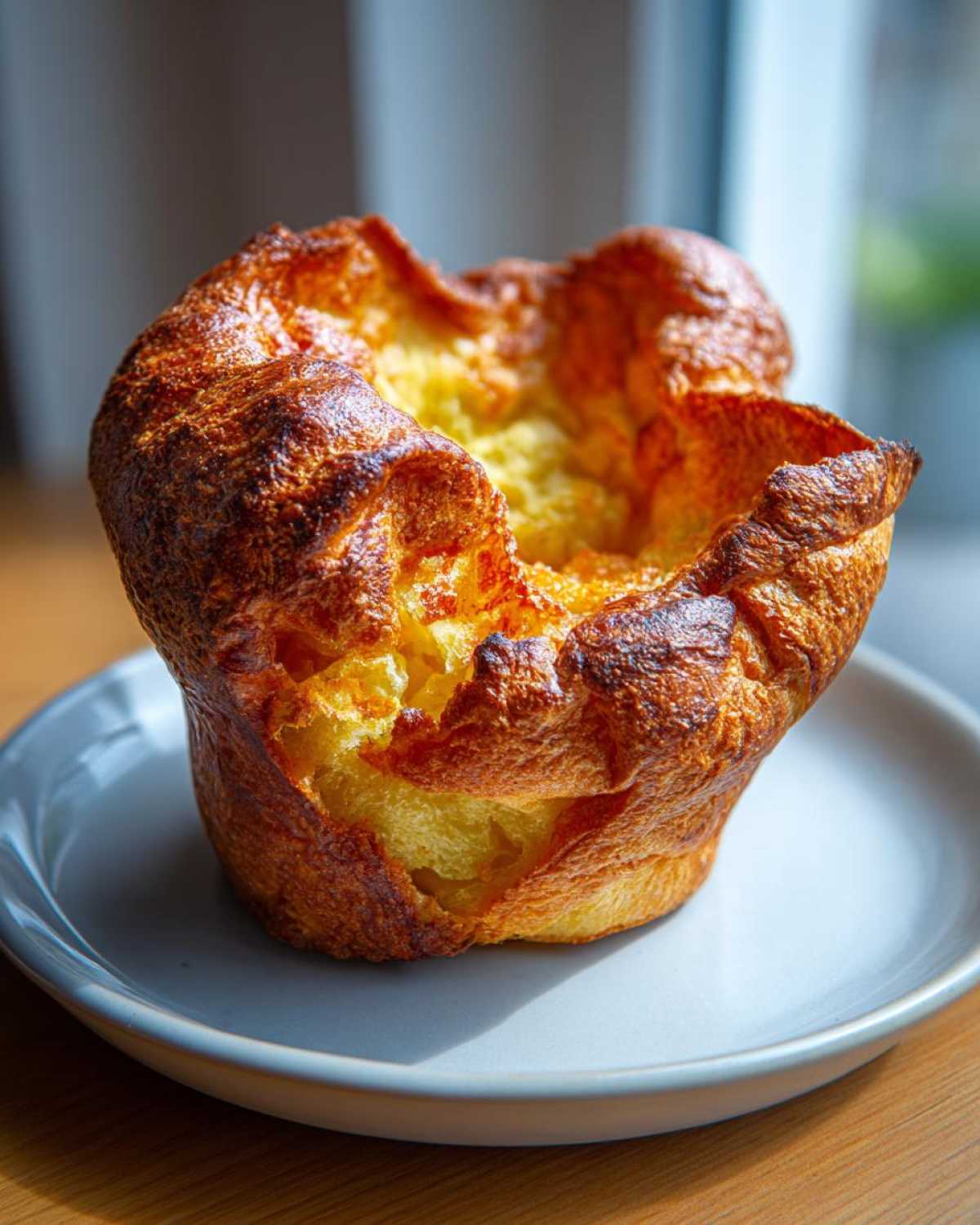
Expert Yorkshire Pudding Tips and Tricks for Every Sunday Roast Recipes
Even with a great base recipe, sometimes a few hiccups happen when aiming for those majestic towers. Here are a couple of quick insider tips to ensure you get the most **Foolproof Yorkshire Puddings** imaginable for your next big event.
If your puddings are coming out pale, that’s simply not enough heat! Make sure that fat is sizzling right before you pour the batter in. I use beef dripping, but if you’re substituting, make sure your oil has a really high smoke point. For more veggie ideas to accompany that roast, check out my recipe for Maple Dijon Glazed Carrots—they go great alongside!
Also, concerning the size: If you fill the bases too high, they struggle to rise properly. Remember, these are a **Traditional British Side Dish** designed to puff wildly. Keep that batter level low, maybe only one-third full, and let the heat do the hard work. If you want even more insight into the technique, this article from Home Cook Studio has some great reinforcement on the baking stage: Quick and Easy Yorkshire Pudding.
Variations on the Classic Yorkshire Pudding
While the recipe above is geared toward making those perfect, individual popovers—which I absolutely adore for presentation—you can totally switch things up depending on what you’re serving! The beauty of using basic ingredients like flour, eggs, and milk is that they are incredibly cost-effective. Honestly, a batch of these is way cheaper than any fancy side dish, even when you are making them for a crowd!
You might have seen some incredibly budget-friendly recipes out there, like the one from Skint Chef, showing just how far these staples can go—it’s inspiring stuff! But focusing on form, here’s how you change the vessel size.
Making Individual Yorkshire Puddings vs. Large Format
If you’re serving a massive piece of roast beef and just want one gigantic, beef-dripping-soaked pudding to share, you can absolutely use a regular roasting tin instead of a muffin tray. Just make sure you use enough fat to coat the bottom generously! When you go big, though, you have to watch the timing.
Smaller individual ones bake super fast, usually in 20-25 minutes. If you’re making massive ones that take up a whole tin, you might need to add five or ten extra minutes to the cooking time. Keep an eye on the edges; they look done when they are towering and deep mahogany brown.
Considering a Gluten Free Yorkshire Pudding Option
I totally understand that not everyone can do traditional flour these days! While this recipe uses standard all-purpose flour for that classic structure, it’s quite easy to swap out if you need a **Gluten Free Yorkshire Pudding**. You’ll need to use a good quality 1:1 gluten-free blend that already contains xanthan gum, which acts as your binding agent. The technique remains exactly the same though—cold batter, smoking hot fat!
Speaking of sides, if you’re looking to add some colorful veggies to that roast, my recipe for Maple Dijon Glazed Carrots is a wonderful, slightly sweet counterpoint to the savory pudding. Always good to get a vegetable on the plate, right?
Serving Suggestions for Your Traditional British Side Dish
These aren’t just appetizers, folks; these are the crowning jewels of any proper **Traditional British Side Dish** spread! The entire point of a perfectly puffed Yorkshire pudding is to act as the ultimate sponge for savory juices. So, naturally, the absolute best pairing is a beautiful roast. I’m talking about tender roast beef—that’s the classic, you know.
When you pull those golden beauties out, make sure you have a rich, salty gravy ready to pour straight into that airy center cavity. It’s honestly one of the best food experiences, period. If beef isn’t your thing, they work wonderfully with roasted chicken, too! If you need a main event inspiration, my recipe for the Garlic Herb Butter Roasted Chicken makes a stunning pairing for these puddings.
Don’t forget your other **Roast Dinner Accompaniments**! Think creamy mashed potatoes, roasted root vegetables, and maybe some Yorkshire puddings swimming slightly in the pan drippings. Presentation-wise, just serve them right away, hot out of the oven, piled high on the platter. That’s how you make an impression!
Storage and Reheating Instructions for Leftover Yorkshire Pudding
Now, let’s be real. If you manage to have leftover Yorkshire puddings, you’ve either cooked for an army or you possess superhuman willpower! But IF you have any extras, we need to treat them right. These are not friends with the microwave, trust me on this one.
Microwaving leftover Yorkshire puddings is the fastest way to turn that beautiful, crisp shell into something resembling soggy cardboard. We want that height and crunch back, so we are going old school with the oven reheating method.
For storage, keep any remaining puddings in a completely airtight container at room temperature or in the fridge for no more than one or two days. If they start to feel the least bit soft, it’s time to reheat!
To bring them back to life, preheat your oven to a nice, toasty 375°F (190°C). Lay the puddings directly onto a baking sheet—no oil needed this time. Pop them in for just about 5 to 8 minutes. Keep an eye on them; they’ll warm through quickly and that heat will steam the moisture out, restoring that glorious, crispy exterior you worked so hard for. Serve them right away with extra gravy, or perhaps, if you feel adventurous, try crumbling one over my Chicken Tikka Masala Sliders for a weirdly delicious twist!
Frequently Asked Questions About Making Yorkshire Pudding
I know you might still have a few burning questions before you tackle your next batch of puddings! It’s totally normal; making a perfect **Yorkshire Pudding** does feel a little bit like alchemy sometimes. Here are a few things folks ask me all the time to make sure your next batch is absolutely golden.
Can I use Gordon Ramsay’s Yorkshire Pudding method instead?
Oh, everyone asks about Chef Ramsay! He certainly has a famous technique, and I’ve seen some brilliant results from his method too. If you want to try his approach, go for it! But I always tell people that for pure, reliable results every time you need a classic **Traditional British Side Dish**, stick with what you know works best for *you*. My goal here at Forkful Heaven is **Foolproof Yorkshire Puddings**. This recipe focuses on the tried-and-true cold batter/smoking hot fat method, which I find delivers that guaranteed tall, fluffy rise without needing ultra-specific fancy techniques. You can check out Tara’s Treats take on his recipe if you’re curious!
Why did my Puffy Popovers deflate immediately?
It’s heartbreaking, isn’t it? You pull them out, they look gorgeous, and then *pffft*—they sink down to sad little discs. Usually, this happens for one of two reasons, and both link back to temperature management. First, you opened the oven door too early before they were fully set inside. That rush of cooler air causes the internal structure to collapse. Second, and this is common, your fat wasn’t hot enough before you poured the cold batter in. If the fat is only warm, it cools the batter slightly, preventing that explosive initial puff. Keep that oven shut!
What is the best fat to use for authentic Yorkshire Pudding?
If you want the most authentic, deep, savory flavor, you absolutely need beef dripping. My uncle in Texas, even cooking Texan fare, knew that dripping just added a richness you couldn’t fake. That said, dripping can sometimes be hard to find, and we certainly want this recipe accessible for everyone making **Homemade British Comfort Food**!
If you’re avoiding beef fat, don’t panic! I use a good quality vegetable oil—like canola or sunflower oil—because it has a really high smoke point, which is what we really need for that high-heat cooking shock. Just make absolutely certain that whatever you choose is smoking hot before the batter goes in. You can still make magnificent **Fluffy Yorkshire Puddings** using modern oils!
Speaking of dishes that pack a flavor punch, if you ever need something entirely different to serve alongside your roast, you simply must try my Chicken Tikka Masala Sliders recipe. It’s unexpected, but so good!
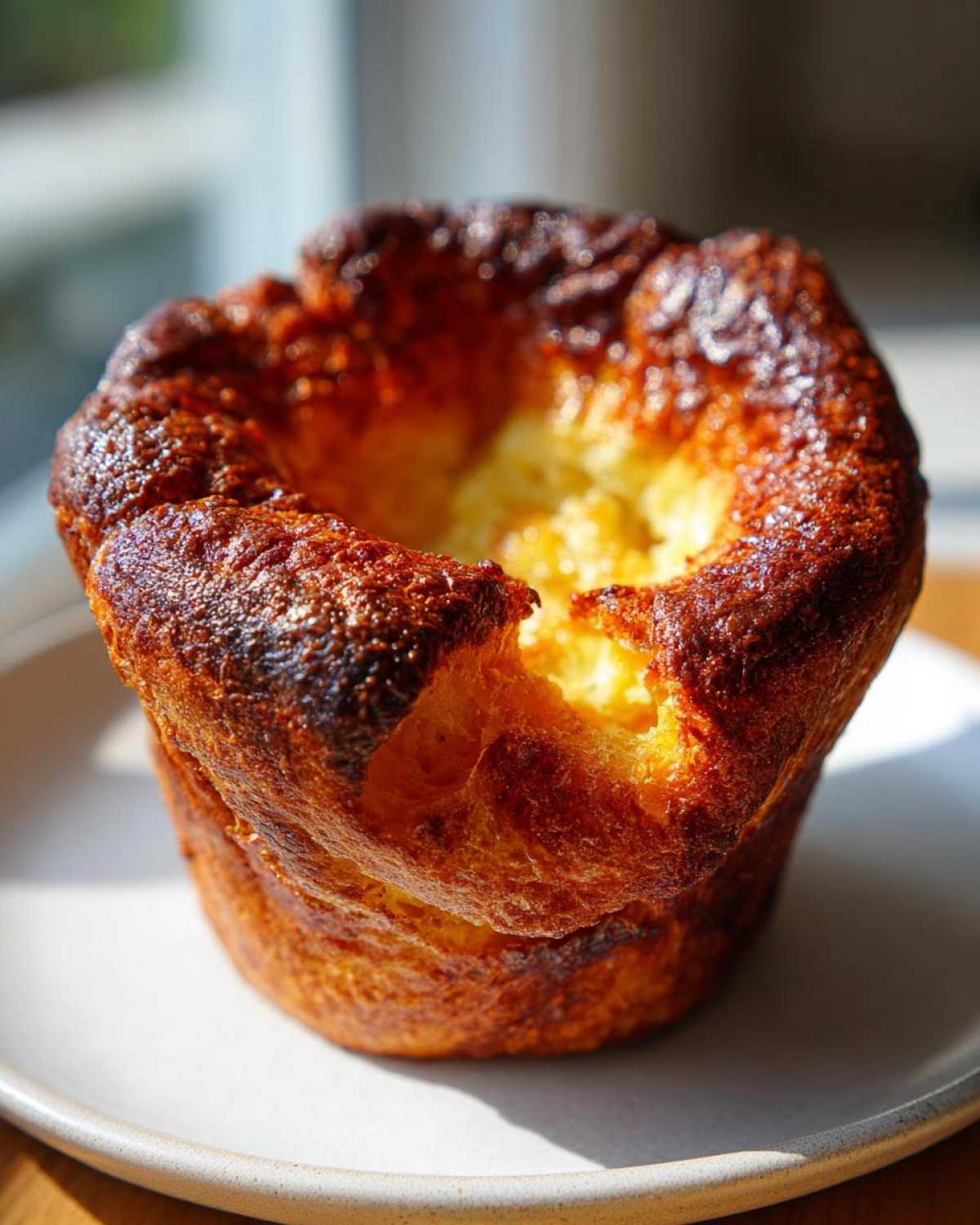
Share Your Towering Yorkshire Pudding Creations!
I seriously cannot wait to hear how your **Yorkshire Pudding** efforts turned out! Did they touch the tops of your oven racks? Were the edges shatteringly crisp? Make sure you come back here and leave a star rating for this recipe—it helps other home cooks know they are on the right track!
If you snapped any photos of those golden, puffy masterpieces next to your roast, please tag me! I absolutely love seeing your results on social media. Sharing your success stories, especially when it comes to conquering tricky classics like this, is what Forkful Heaven is all about. It inspires me so much!
If you’re looking for a fantastic, no-bake dessert to finish off that big roast dinner, you definitely need to try my Chocolate Dipped Coconut Bars. They require zero baking and are a perfect cool contrast after all that delicious hot gravy!
Happy cooking, everyone! Let me know in the comments how tall your puddings got!
Print
The Perfect Foolproof Yorkshire Pudding: Crispy Outside, Fluffy Inside
- Total Time: 35 min
- Yield: 12 individual puddings
- Diet: Vegetarian
Description
Learn how to make classic, towering Yorkshire puddings that are golden brown and crispy on the outside while remaining light and airy inside. This recipe is simple and delivers perfect results for your Sunday roast.
Ingredients
- 4 large eggs
- 1 cup all-purpose flour
- 1 cup whole milk
- 1/2 teaspoon salt
- Vegetable oil or beef dripping for cooking
Instructions
- Combine the flour and salt in a large bowl. Make a well in the center.
- Crack the eggs into the well. Begin whisking the eggs, gradually incorporating the flour from the sides.
- Slowly pour in the milk while continuously whisking until you have a smooth, thin batter, similar to heavy cream. Do not overmix; a few small lumps are acceptable.
- Cover the bowl and let the batter rest in the refrigerator for at least 30 minutes, or up to several hours. Resting helps the gluten relax, leading to a better rise.
- Preheat your oven to 450°F (230°C). Place a 12-hole muffin tin (or a roasting tin for larger puddings) into the oven.
- Add about 1 teaspoon of vegetable oil or beef dripping into each cup of the hot tin. Heat the oil/dripping in the oven for 10 minutes until it is smoking hot. This step is crucial for a good rise.
- Carefully remove the hot tin from the oven. Work quickly. Pour the batter evenly into the hot cups, filling each one about one-third full.
- Immediately return the tin to the hot oven. Do not open the oven door for the first 15 minutes of cooking.
- Bake for 20 to 25 minutes, or until the puddings are well-risen, deep golden brown, and crisp.
- Serve your fluffy Yorkshire puddings immediately with your roast dinner and gravy.
Notes
- For the best rise, the batter must be cold and the fat must be smoking hot when you pour the batter in.
- If you are making larger puddings for a roast beef, use a deep roasting pan and ensure the fat is very hot.
- You can substitute beef dripping with a high smoke point oil like vegetable or canola oil if you prefer a non-beef fat option.
- Prep Time: 10 min
- Cook Time: 25 min
- Category: Side Dish
- Method: Baking
- Cuisine: British
Nutrition
- Serving Size: 1 pudding
- Calories: 120
- Sugar: 1
- Sodium: 150
- Fat: 6
- Saturated Fat: 2
- Unsaturated Fat: 4
- Trans Fat: 0
- Carbohydrates: 13
- Fiber: 0
- Protein: 5
- Cholesterol: 60


Comments are closed.