
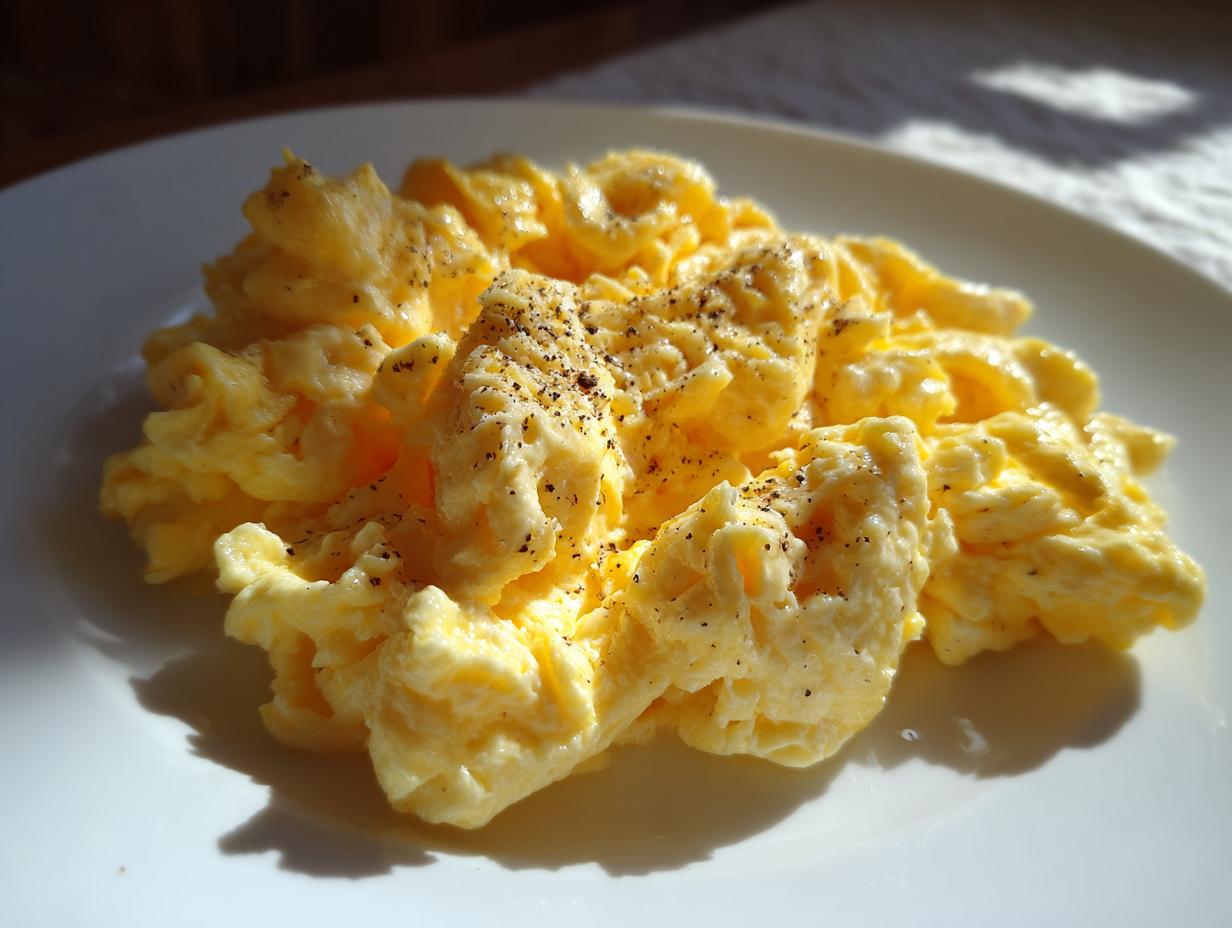
Oh my gosh, how many times have you excitedly cracked eggs hoping for that restaurant-quality breakfast, only to end up with sad, rubbery little sponges on your plate? Been there, done that, threw out that batch! Seriously, it’s infuriating when something so simple goes so wrong. Well, friends, I’ve cracked the code on making the best scrambled eggs you’ll ever taste. We’re ditching the high heat and embracing the secret that chefs keep close: the ‘low & slow’ method. Trust me, this technique is how we achieve the ultimate fluffy and creamy texture. It completely transforms what you think about your easy weekday breakfast eggs.
This isn’t just some random trick I found online; I spent weeks testing and tweaking until I got that perfect velvety consistency. Once you see how gently these eggs cook, you’ll never go back to attacking them in a hot pan again. If you’re looking for serious breakfast upgrades, check out some of my other favorite go-to breakfast recipes. It all starts here!
Why This Low & Slow Technique Makes the Best Scrambled Eggs
The absolute biggest mistake people make with scrambled eggs is using heat that’s too high! When your pan is scorching, the proteins in the eggs seize up instantly. That’s what gives you those big, firm, slightly dry curds that nobody really wants. That method is great if you’re making eggs in a hurry, maybe, but we’re aiming for gourmet status here.
By keeping the heat dialed way down, we tell those proteins to relax. They set slowly, which lets us control the resulting texture perfectly. It takes patience, sure—maybe an extra five minutes—but the payoff is huge. You finally nail that ideal combination of fluffy lift and rich, velvety moisture that defines amazing eggs.
Mastering Egg Texture: Fluffy vs. Creamy
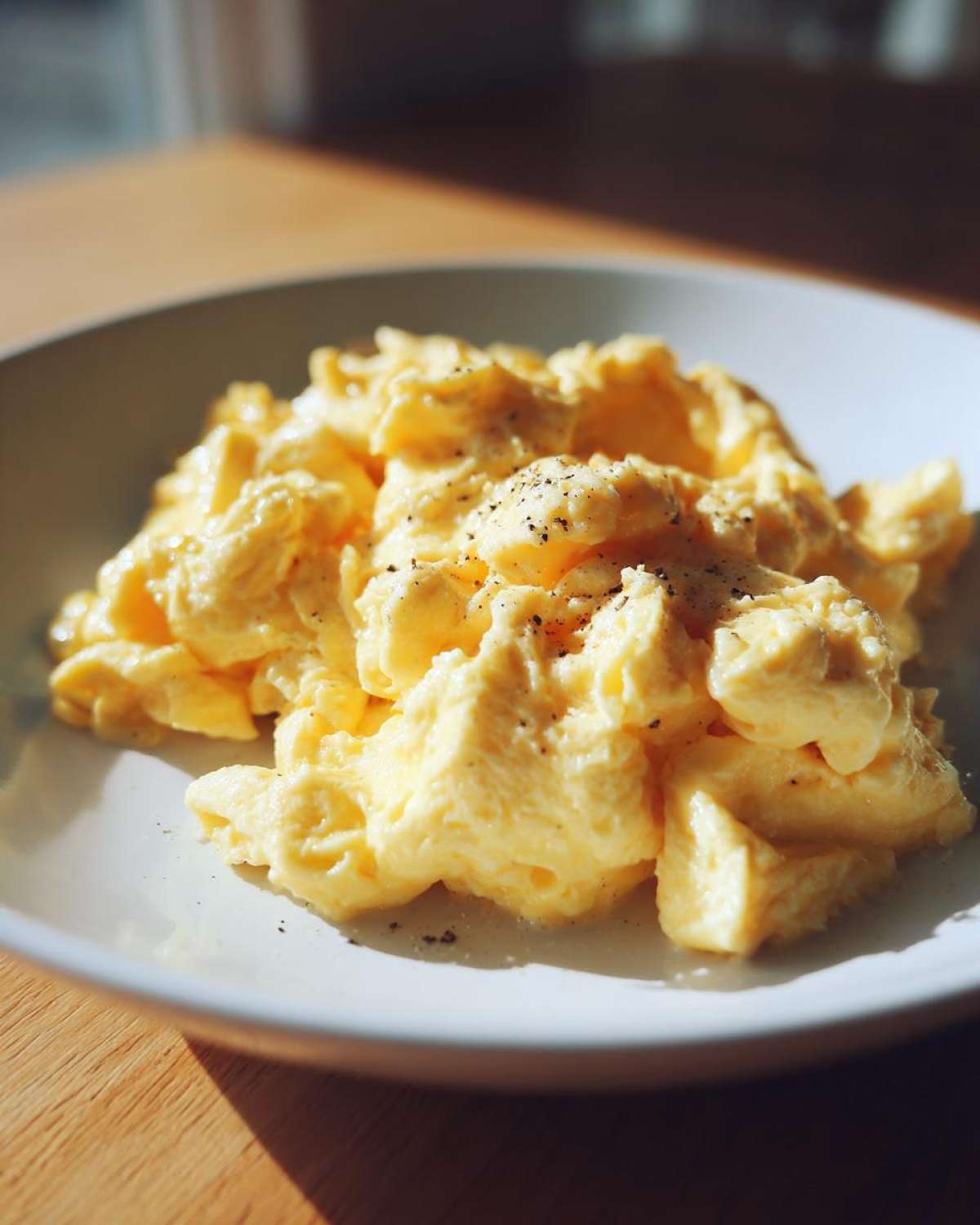
This ‘low and slow’ cooking is the secret weapon for mastering egg texture. Because we are constantly pushing the egg from the bottom up without scrambling them hard, we gently fold them onto themselves. This gentle action slowly traps little pockets of steam and air within the mixture, which results in that beautiful fluffiness you see in fancy brunch spots.
At the same time, since the heat is so low, the moisture (from the milk or cream) doesn’t evaporate too fast, meaning our final product is incredibly creamy and almost custard-like. They become beautifully velvety, which is exactly what we want for rich, satisfying scrambled eggs.
Ingredients for Velvety Scrambled Eggs
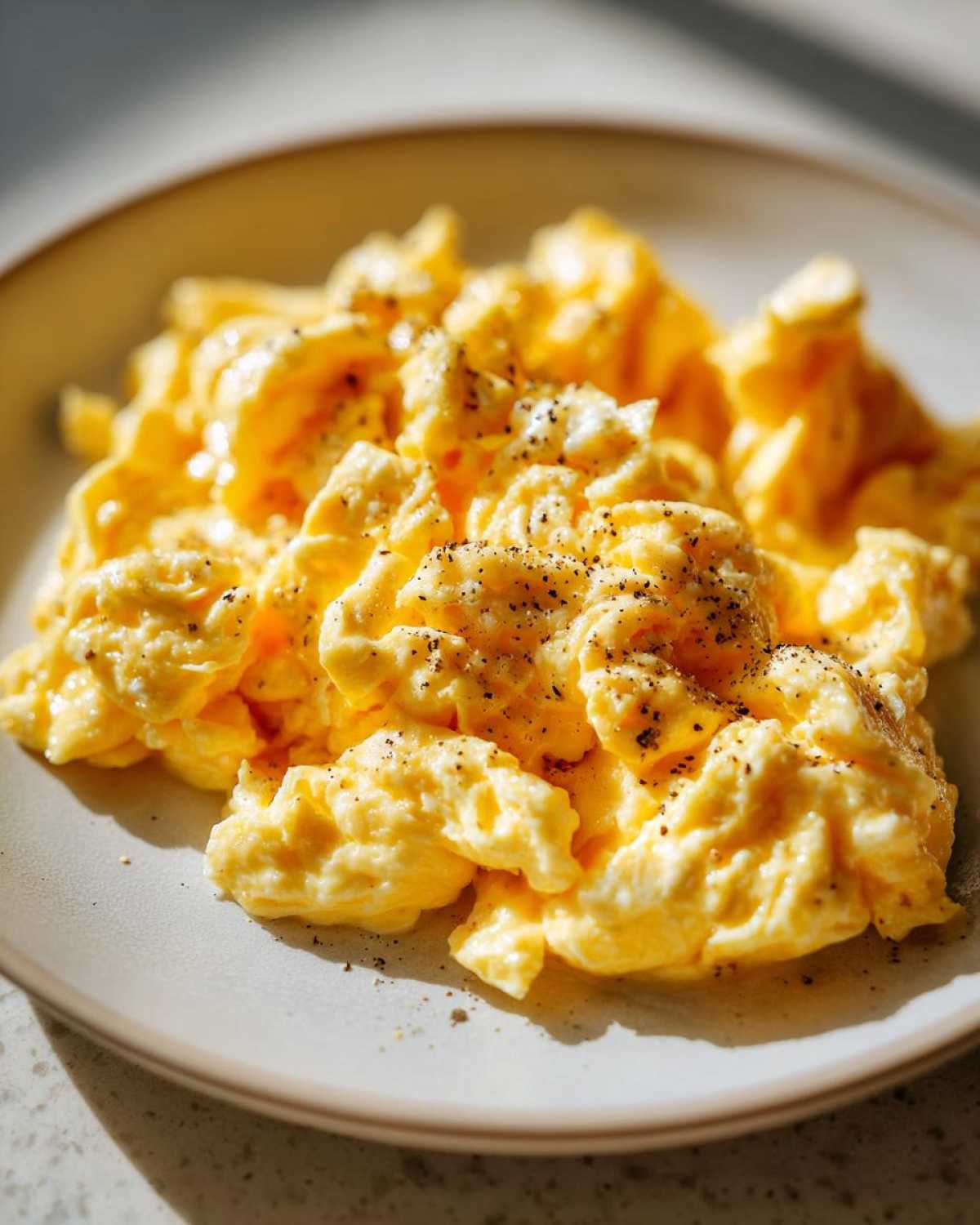
Okay, let’s talk about what you need for these unbelievable scrambled eggs. It’s a short list, which is why quality matters so much here! You want to make sure you have your six large eggs ready to go. Don’t skimp on the fat; we need three tablespoons of good, unsalted butter for taste and texture. For that signature creaminess, I always use three tablespoons of whole milk or, if I’m feeling fancy for a weekend brunch, I swap it for heavy cream.
Salt and freshly ground black pepper are crucial—season them before they hit the pan!
Ingredient Notes and Substitutions
The dairy choice really impacts your final texture. If you use water or skim milk, you’re just going to end up with lighter, airier eggs, which is fine, but it won’t give you that rich, velvety mouthfeel we are chasing. Whole milk is the minimum for good flavor, but heavy cream really amps up the richness for truly decadent scrambled eggs.
And the butter? It needs to be unsalted so *we* control the salt level entirely. That beautiful, slightly browned butter gives you those famous buttery scrambled eggs every single time. Don’t even think about using oil here; butter is non-negotiable for maximum flavor!
How to Prepare Perfect Soft Scrambled Eggs
Alright, now that we have our rich ingredients ready, it’s time for the magic! If you rush this part, all that careful ingredient selection goes out the window. Remember, this is where we focus on achieving those perfect soft scrambled eggs. Pay close attention to the heat—it should look almost too low!
The whole process, from first whisk to plating, usually takes under ten minutes, but those minutes are spent gently coaxing the eggs into perfection. The golden rule here is pulling them off the heat when they still look slightly wetter than you think they should be. That residual heat does all the final work.
Prepping the Egg Mixture for Fluffy Scrambled Eggs Recipe
Before the butter even hits the pan, we need to get aggressive with our eggs! Crack them into the bowl with your milk (or cream) and seasoning. Now, grab a whisk and beat the daylights out of them! I mean it—you want them frothy and fully combined. Why all the effort? Because vigorous whisking incorporates a ton of air. This air is the secret ingredient for a truly beautiful fluffy scrambled eggs recipe.
You’re looking for a consistent pale yellow color with tiny, fine bubbles on top. Don’t just mix them until the yellow disappears; whisk until you feel resistance. This step is non-negotiable for that airy lift we want in our final scrambled eggs. If you ever want to try some lighter ideas, I have a great fettuccine recipe that also relies on careful liquid control!
The Low and Slow Egg Cooking Method
Next, get your non-stick skillet on the absolute lowest setting your stovetop allows. Melt your butter until it’s foamy—no browning allowed! Pour in your whisked eggs. Now, watch closely. After about 30 seconds when the edges start barely setting, grab a heat-safe rubber spatula.
The entire cooking dance relies on slow pushing and folding. Gently push the cooked edges toward the center, tilting the pan so the raw egg flows underneath. Repeat this every 10 to 15 seconds. This is the core of the low and slow egg cooking method. It might seem painfully slow, but after about 5 to 8 minutes of this gentle work, they’ll look almost ready. Pull them off the heat the second they look barely cooked, and trust the residual heat to finish them into amazing scrambled eggs!
Tips for Success: Achieving Creamy Scrambled Eggs Technique
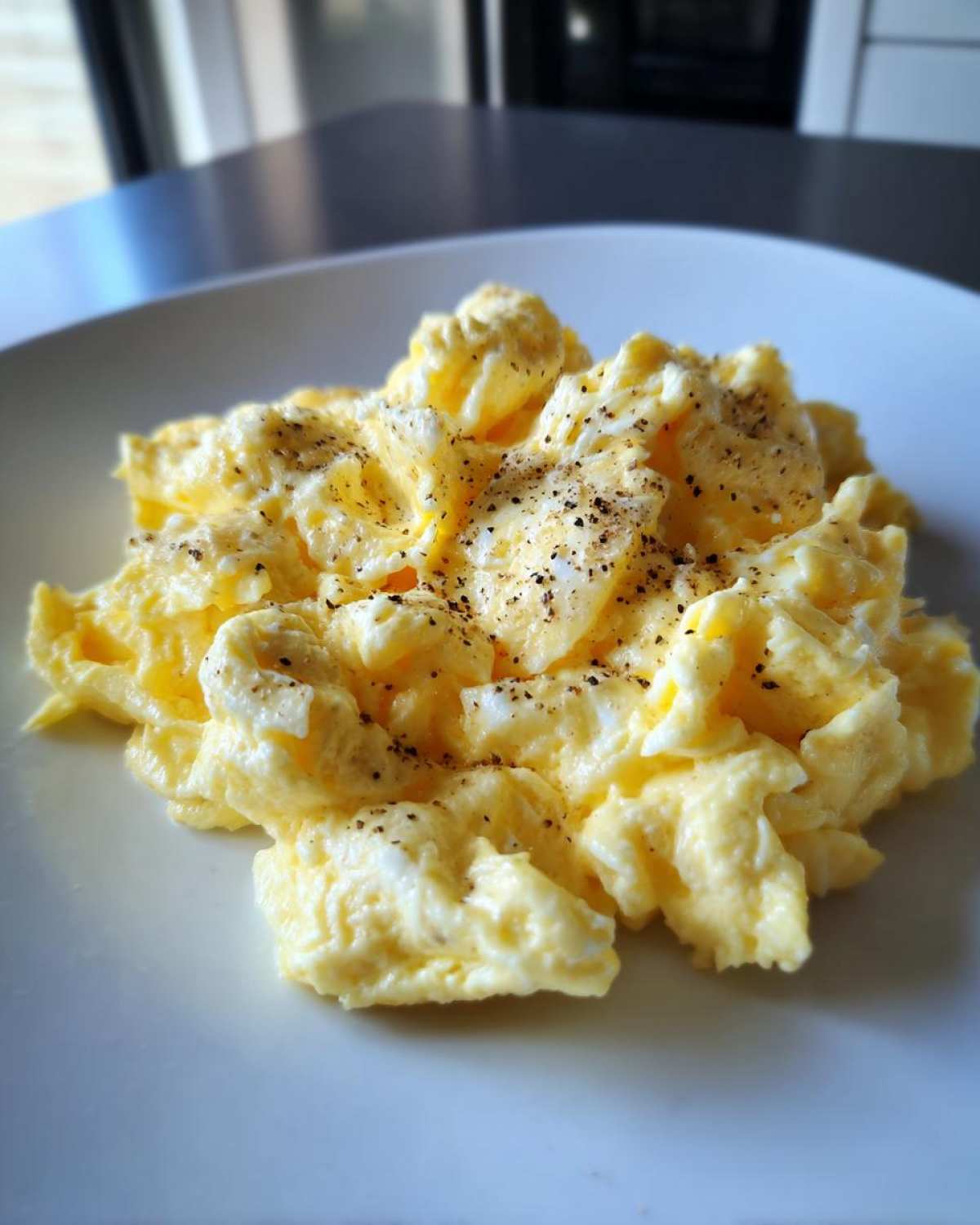
I want every single batch of scrambled eggs you make to be flawless. Seriously, I won’t let you struggle with flat, dry eggs anymore! Achieving that incredibly luxurious, velvety texture—that’s the hallmark of a great home cook, and it all comes down to the creamy scrambled eggs technique we’ve been using.
If your eggs are consistently coming out tough, it’s usually one of two minor mistakes: insufficient whisking before cooking, or using the wrong pan. Don’t worry if you’ve made those mistakes before; that’s why we’re talking about it now!
The Importance of the Right Pan for Scrambled Eggs
You absolutely need a quality non-stick pan for this method. I know some chefs swear by stainless steel for certain things, but when you’re cooking eggs this gently over low heat, you want zero sticking, zero tearing, and zero fuss.
If you use stainless steel, you have to watch the butter like a hawk and risk getting those large, tough curds right away because the pan heats up so unevenly despite the low setting. A good non-stick pan ensures that when you gently push the eggs, the cooked portion slides gracefully without snagging, allowing the uncooked liquid to flow underneath smoothly. This smooth glide is EVERYTHING for silky scrambled eggs. If your pan is looking scratched up, it might be time for an upgrade—it makes cooking these delicate eggs so much easier. If you’re looking for quick egg inspiration while you shop for a new pan, check out my easy egg bites recipe!
Variations: Cheesy Scrambled Eggs Ideas and High Protein Scrambled Eggs
So, we’ve made the perfect base for scrambled eggs—now let’s talk about making them truly your own! Honestly, the low and slow method is so reliable that it’s the perfect canvas for additions. You can take these beautiful, velvety eggs and transform them into something totally different with just one extra ingredient stirred in at the very end.
If you’re looking for incredible flavor explosions, you have to try some of my favorite cheesy scrambled eggs ideas. Similarly, if that afternoon energy crash is hitting you hard, we can easily boost the protein content!
When adding anything, remember one golden rule: the eggs are already nearly done when you add the mix-ins. We never want to overcook the eggs themselves while trying to melt cheese!
Making Ultimate Cheesy Scrambled Eggs
For the cheesiest version—and trust me, you want this—wait until your eggs are looking gloriously moist, but still a tiny bit wet on the pan. That’s when you toss in about a quarter cup of good shredded sharp cheddar. I prefer cheddar because it melts smoothly and has a great tang that cuts through the richness of the cream.
Gently fold the cheese into the mixture a couple of times. Then, take the pan *off the heat immediately*. The residual warmth melts the cheese into those beautiful, gooey pockets throughout your scrambled eggs. That’s it! You don’t even need to keep stirring; just let it sit for 30 seconds before plating. It makes for such a satisfying brunch centerpiece.
Boosting Breakfast with High Protein Scrambled Eggs
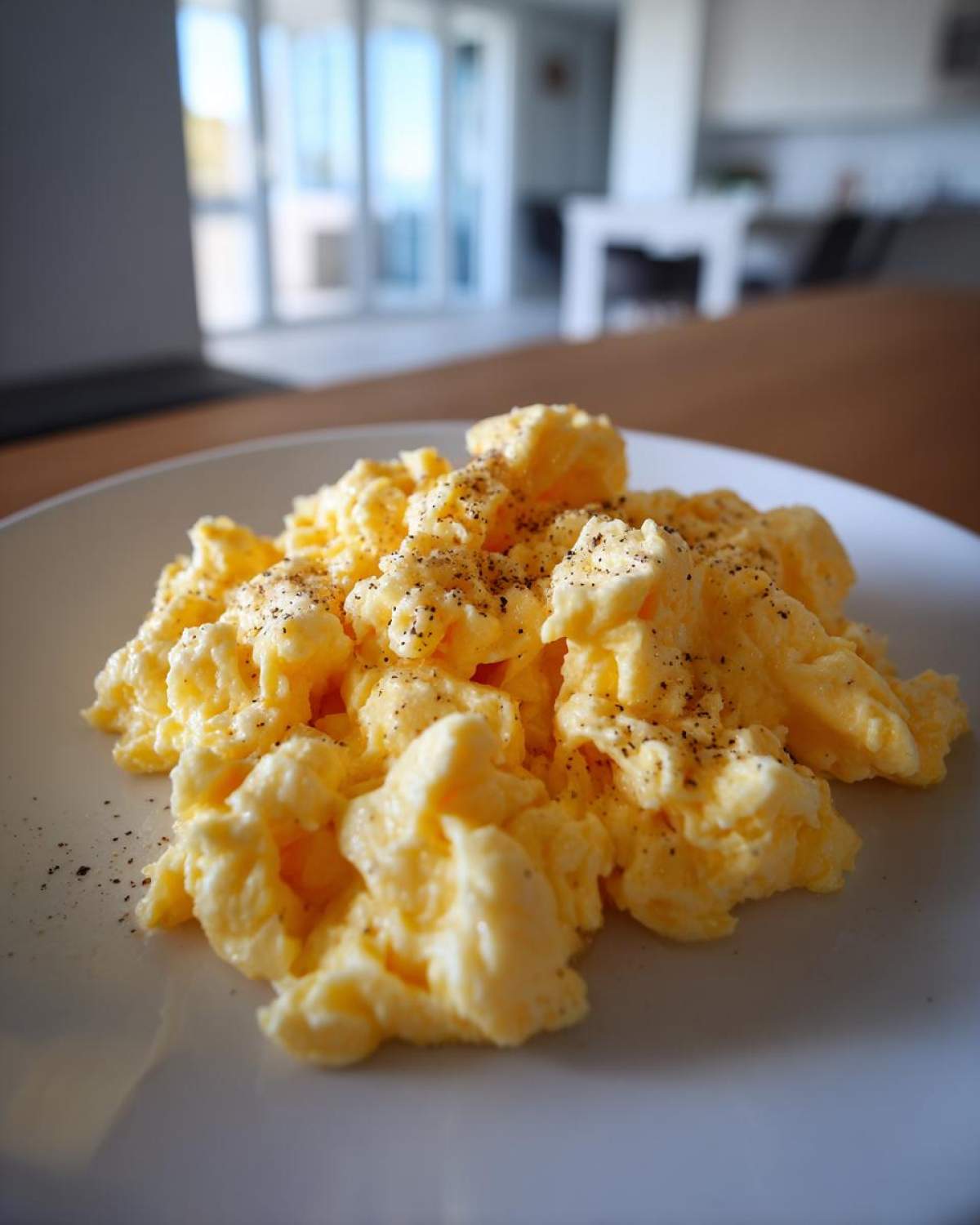
Sometimes, an egg breakfast needs to keep you full until dinner, right? That’s why I developed my go-to hack for high protein scrambled eggs. Instead of using milk or cream, we introduce cottage cheese. Now, don’t just plop a cold scoop in there! That will stop the cooking process immediately.
For the best result, take two tablespoons of cottage cheese and put it right in the bowl with your raw eggs, salt, and pepper. Whisk it all together until the cottage cheese is mostly blended in; you’ll still see little white bits, and that’s perfect. When you cook this mixture low and slow, the cottage cheese melts down, acting almost like a binder and adding a serious protein punch without making the scrambled eggs taste like anything other than perfectly rich eggs. If you want to see other ways I use cottage cheese in surprisingly delicious recipes, check out my cottage cheese egg cups!
Serving Suggestions for Gourmet Breakfast Eggs
Once you’ve mastered your scrambled eggs using the low and slow method—and I know you have because they are probably amazingly velvety right now—the next natural step is serving them up right! These aren’t just eggs for throwing on toast; these are practically gourmet breakfast eggs that deserve a proper staging. Because our eggs are so rich, buttery, and soft, we want side dishes that offer a fantastic contrast in texture. Think crisp, savory, or maybe something bright!
I always pair these creamy delights with something crunchy. If you don’t have time for a full side, even just some crispy, thickly cut bacon or lightly toasted sourdough does the trick. But if you’re making a weekend spread, you simply have to have the potatoes on the side.
Speaking of potatoes, I have this recipe for roasted ones that get unbelievably crispy in the oven, which is the perfect counterpoint to something as tender as these eggs. You can find my method for crispy breakfast potatoes right here on the blog—they are worth the extra baking time, I promise!
Storage and Reheating Instructions for Leftover Scrambled Eggs
Look, I’m going to be honest with you—nothing beats these creamy scrambled eggs eaten straight from the pan. They are truly best the moment they are finished cooking! That velvety texture is delicate, and leftovers sometimes feel like a betrayal of the effort we put in, right?
But if you must store them, place small portions in an airtight container. Never try to reheat a huge clump! When you do reheat, use the lowest setting on your microwave or a non-stick pan over low heat. Add a tiny splash of milk or a pat of butter while warming, stirring constantly. It’s the only way to rescue those beautiful scrambled eggs.
Frequently Asked Questions About Perfect Soft Scrambled Eggs
I know you’ve got questions! Cooking eggs perfectly seems simple, but mastering texture is an art, right? We’ve covered the low and slow method for the silkiest scrambled eggs, but people always ask me about speeding things up or comparing this method to famous chefs. Ask away below!
Can I make these scrambled eggs quickly?
That’s the million-dollar question when it comes to quick easy breakfast eggs! I get it, some mornings you need flavor *now*. The honest truth is that the ‘low and slow’ technique takes patience. Total prep and cook time for these creamy beauties is usually just under 15 minutes, which isn’t bad for restaurant-quality eggs! If you try to crank the heat to speed it up, you’ll lose the fluffy texture we worked so hard to create. So, think of those 12 minutes as a worthwhile investment in a superior breakfast!
What is the difference between this and Gordon Ramsay’s scrambled eggs?
Oh, the Ramsay debate! His method is famous, and it’s brilliant, but it’s definitely more intensive than ours. Chef Ramsay cooks his eggs over medium heat, putting them on and taking them off the heat constantly—like every 10 seconds—which creates incredibly tiny, creamy curds. It’s frantic, messy, and frankly, exhausting if you want to do it right!
Our approach is much more relaxed. We stick to the lowest heat setting permanently after the initial butter melt. We still fold them gently, but there’s no constant on-and-off action. Our goal is still soft, velvety scrambled eggs, but with less frantic spatula work. If you’re just learning to manage your stovetop heat, try my tips for easy weekday breakfast ideas first, then tackle the pro-chef method later!
Why are my scrambled eggs always watery?
Watery eggs mean two things are probably happening. First, you’re using too much liquid compared to the eggs, or second, you aren’t cooking them long enough to evaporate that liquid. If you didn’t use cream or milk and you used water, that’s the culprit! If you used the right liquid, make sure you are not adding the eggs to a cold pan—the butter must melt and foam slightly first. Also, remember that crucial final step: take them off the heat when they still look slightly wet. They finish cooking out of the pan!
Can I use a whisk instead of a spatula for the gentle folding?
Please, don’t ever swap your spatula for a whisk during the cooking part! A whisk is fantastic for incorporating air *before* the eggs hit the pan. But once they are cooking, a whisk will break down those gorgeous, soft curds we are carefully forming, turning your creamy scrambled eggs back into soup! A smooth, heat-resistant rubber spatula is essential for gently scraping and folding the texture you’ve built.
Share Your Ultimate Scrambled Eggs Results
Okay, now that you’ve mastered the low and slow technique, I desperately want to hear about your results! Did you finally nail that silky, velvety texture that separates the okay cook from the amazing chef? Nothing makes me happier than knowing I helped make someone’s breakfast routine so much better—especially when it involves these stellar scrambled eggs.
Head down to the comments and tell me everything! Did you stick strictly to the recipe, or did you sneak in some sharp cheddar cheese? More importantly, what fantastic side dishes did you pair with your perfect eggs? I’m always looking for new ideas for my next big brunch spread, so link me up to a favorite dish if you have one!
If you loved this style of cooking and want to start exploring other amazing morning meals, remember I have a whole section dedicated to amazing brunch egg recipes you are going to want to try next weekend. Happy cooking, and don’t forget to share your successes!
Print
The Ultimate Fluffy and Creamy Scrambled Eggs: Low & Slow Technique Mastery
- Total Time: 11 min
- Yield: 2 servings
- Diet: Vegetarian
Description
Learn the low and slow cooking method to achieve perfectly fluffy, creamy, and velvety scrambled eggs every time. This technique focuses on gentle heat management for gourmet results.
Ingredients
- 6 large eggs
- 3 tablespoons whole milk or heavy cream
- 1 tablespoon unsalted butter
- Salt to taste
- Freshly ground black pepper to taste
Instructions
- Crack the eggs into a medium bowl. Add the milk or cream, salt, and pepper. Whisk the mixture vigorously until the yolks and whites are fully combined and slightly frothy.
- Place a non-stick skillet over low heat. Add the butter and let it melt completely until it foams slightly. Do not let the butter brown.
- Pour the egg mixture into the skillet. Let the eggs sit undisturbed for about 30 seconds until the edges just begin to set.
- Using a heat-resistant rubber spatula, gently push the cooked egg from the edge toward the center, tilting the pan so the uncooked egg flows underneath.
- Continue this slow pushing and folding motion every 10 to 15 seconds. Keep the heat very low throughout the entire cooking process.
- Cook until the eggs are mostly set but still look moist and slightly wet. This low and slow method takes about 5 to 8 minutes.
- Remove the pan from the heat immediately while the eggs are still slightly underdone. The residual heat will finish the cooking process to a perfect soft consistency.
- Serve immediately for velvety scrambled eggs.
Notes
- For cheesy scrambled eggs, stir in 1/4 cup of shredded sharp cheddar cheese during the last minute of cooking.
- For high-protein scrambled eggs, substitute 2 tablespoons of cottage cheese for the milk/cream. Blend the cottage cheese with the eggs before cooking.
- If you prefer a richer flavor, use only heavy cream instead of milk.
- Prep Time: 3 min
- Cook Time: 8 min
- Category: Breakfast
- Method: Stovetop
- Cuisine: American
Nutrition
- Serving Size: 1 serving
- Calories: 250
- Sugar: 2
- Sodium: 250
- Fat: 18
- Saturated Fat: 10
- Unsaturated Fat: 8
- Trans Fat: 0.5
- Carbohydrates: 2
- Fiber: 0
- Protein: 18
- Cholesterol: 450

Comments are closed.