
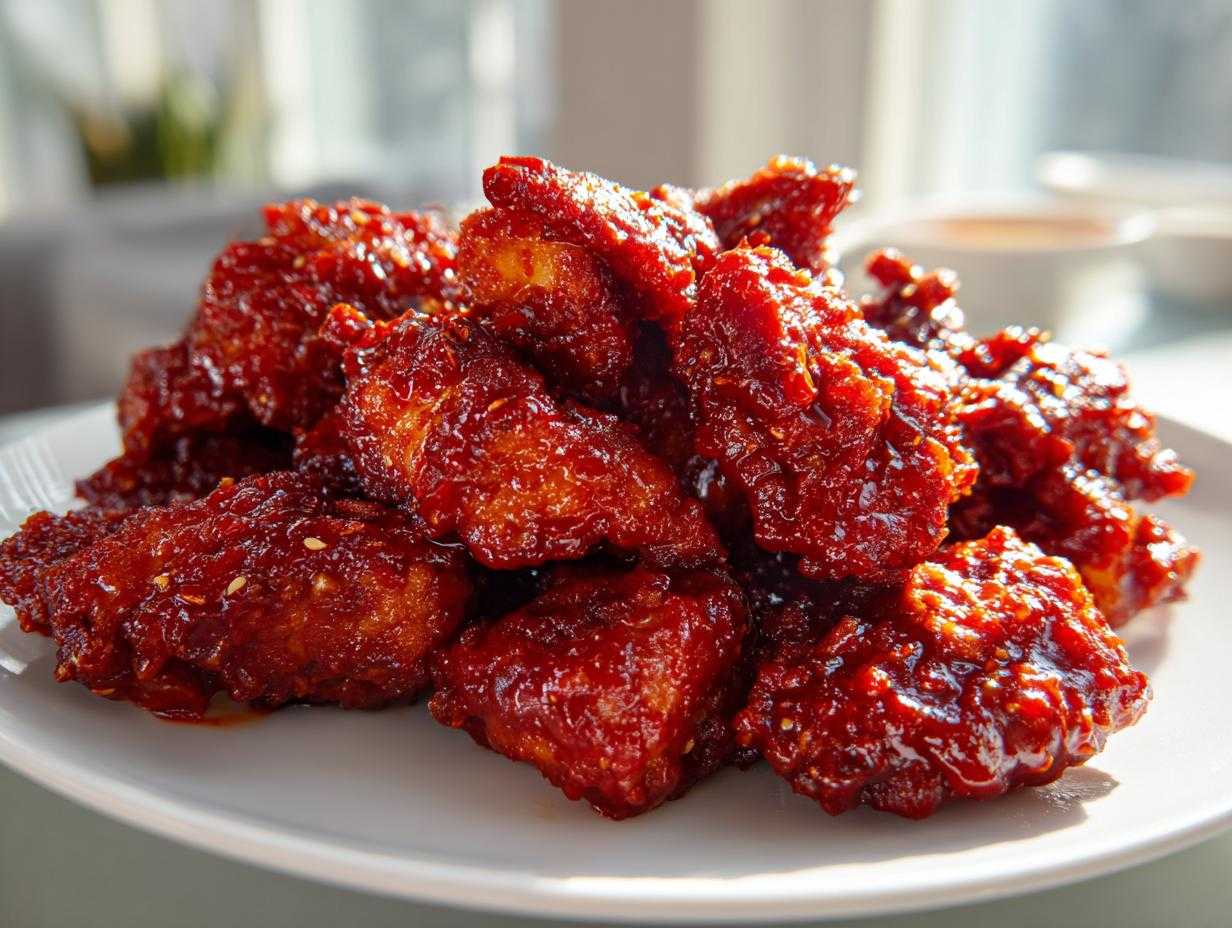
Oh my goodness, friends, get ready to toss out every mediocre fried chicken recipe you’ve ever tried because we are tackling the big leagues today: the ultimate korean fried chicken recipe! I’ve spent way too many years perfecting this obsession, convinced that the crunchiest, juiciest chicken in town only existed behind giant restaurant deep-fryers. Well, I was wrong! The secret isn’t magic; it’s chemistry, and trust me, it involves patience for a proper double-fry. But the payoff? Incredible. This isn’t just one recipe; it’s your ticket to choice—you can go completely sweet and spicy with the Gochujang Glaze or dive deep into savory territory with the Soy Garlic Sauce. I fussed over the batter until it developed this ethereal, light shatter when you bite into it. Seriously, this coating is ridiculously crisp, and I can’t wait for you to try it!
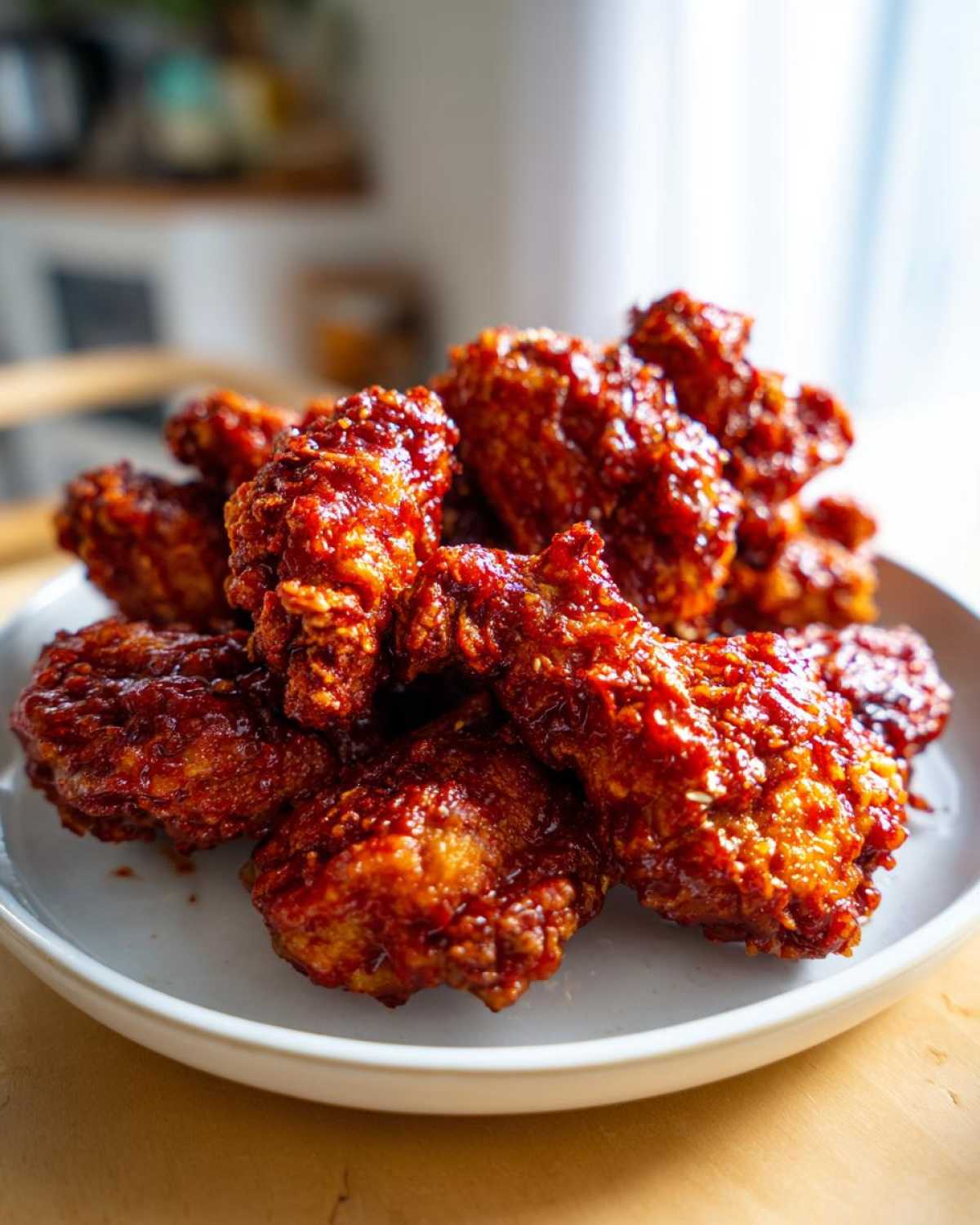
Why This korean fried chicken recipe Delivers Ultimate Crunch (E-E-A-T)
When you talk about authentic Korean Fried Chicken, you aren’t just talking about flavor; forget that if the crunch isn’t there! This recipe is all about that shattering texture you get when you duplicate the restaurant process right here in your kitchen. The real magic lies in the coating mixture, and this combination beats out simple all-purpose flour every single time. We aren’t using a classic thick batter; we want something light that dries beautifully crispy.
The secret weapon here is the potato starch. It absorbs moisture like a champ, which is crucial for that brittle exterior. Combined with a tiny bit of baking powder, it creates micro-bubbles when it hits the hot oil, giving you that airy, ultra-crisp layer. This is one of the biggest juicy fried chicken secrets I learned experimenting over the years. Don’t skip the baking powder—it helps the crust truly erupt!
The Secrets to a Homemade Crispy Chicken Coating
The ratio of dry ingredients to liquid is where most people mess up, turning their beautiful chicken into greasy nuggets. For KFC, you want a really thin batter, almost watery, similar to what you’d use for delicate crêpes. If it’s too thick, it just globs on and steams instead of frying crisply.
Also, this is important: you absolutely have to use ice-cold water when mixing the batter. Seriously, if you can manage it, use sparkling water! The shock of the super-cold liquid hitting the very hot oil is what sets that crisp coating almost instantly. It minimizes gluten development and maximizes shatter. I linked to some other great crunchy recipes over here if you want more ideas for crispy coatings!
Gathering Ingredients for Your korean fried chicken recipe
Okay, now for the fun part—getting everything prepped so we can move fast when the oil is hot! Since the actual frying goes quickly (thanks to our double-fry power!), having everything measured out and waiting for you is non-negotiable. I’ve broken the ingredients down into three simple groups: the chicken and the famous coating, the fiery option, and the savory option. Don’t substitute the potato starch in the coating; that’s truly the backbone of a homemade crispy chicken coating that stands up to sauce.
For the Chicken and Coating
- 2 lbs chicken wings or boneless thighs, cut into bite-sized pieces
- 1 cup potato starch (or cornstarch)
- 1/2 cup all-purpose flour
- 1 teaspoon salt
- 1/2 teaspoon black pepper
- 1/2 teaspoon baking powder
- 1 cup cold water
- Vegetable oil, for deep frying
For the Gochujang Chicken Sauce (Sweet and Spicy Chicken Glaze)
If you love heat, this first glaze is your winner. This is where we build that classic, sticky, fiery coating. Truly a fantastic sweet and spicy chicken glaze that clings perfectly to all those crispy edges!
- 1/4 cup Gochujang
- 2 tablespoons honey
- 1 tablespoon soy sauce
- 1 tablespoon rice vinegar
- 1 teaspoon minced garlic
- 1 teaspoon sesame oil
For the Savory Soy Garlic Sauce
This sauce is for my savory friends who want that incredible umami punch without the serious heat. It’s sticky, garlicky, and fantastic on everything, making it a great easy Asian dinner option when you have leftovers!
- 1/4 cup soy sauce
- 2 tablespoons honey or brown sugar
- 1 tablespoon rice vinegar
- 1 tablespoon minced garlic
- 1 teaspoon grated ginger
Step-by-Step Instructions for the Double Fried Chicken Technique
Alright, this is where the magic—and the work—happens! The double fried chicken technique is what separates good fried chicken from truly spectacular, shatteringly crisp chicken. You have to commit to the two-stage frying process, but I promise the extra five minutes is worth it. The first fry cooks the inside to perfection, and the second fry blasts the coating into crispy heaven. Keep your oil thermometer nearby, because temperature control is everything here!
Preparing the Chicken and Batter
First things first: you must pat your chicken pieces bone-dry. I mean, soak them until they squeak dry! Any extra moisture on the surface will fight your batter and give you sogginess later. Seriously, don’t cheat on this step or you might as well skip to boiling your dinner.
In a big bowl, whisk your dry ingredients—the key is the potato starch, remember? Now, slowly pour in that ice-cold water while whisking gently until you have a batter that looks really loose and thin. It should coat the back of a spoon lightly, almost like maple syrup before it’s been warmed up. This thin consistency is what gives us that delicate final crust.
The First Fry: Cooking Through
Time to heat the oil! Get your vegetable oil up to 325°F (160°C) in your heavy pot. Work in small batches—and when I say small, I mean don’t let the pot look crowded! If you drop too much chicken in, the oil temperature crashes, and you end up with greasy chicken that hasn’t properly cooked internally. This first fry usually takes about 8 to 10 minutes. You want them cooked through and lightly blonde when you pull them out onto the wire rack to rest.
The Second Fry: Achieving Maximum Crispiness
This is the glorious moment that locks in the crunch! While the first batch is resting, crank that heat up immediately to 375°F (190°C). We need that oil scorching hot for this blast. Drop the partially cooked chicken back into the screaming hot oil for just 2 or 3 minutes. Watch it carefully! It will go from light golden to deep, gorgeous brown really fast. This second fry dries out the crust completely, making it incredibly crispy fried chicken.
Making and Applying the korean fried chicken recipe Glazes
While the chicken is doing its second trip through the oil, get your sauce simmering. For both the Gochujang and Soy Garlic options, just combine everything in a small saucepan and let it gently bubble for about two minutes until it thickens just a tiny bit. You need the sauce warm so it adheres nicely.
The most important finishing move: toss the piping hot, just-drained chicken directly into the sauce pan immediately after that second fry. Work fast! The heat of the chicken helps the sauce stick perfectly without getting gummy. Check out this great idea for another crispy Asian dish while you’re waiting for the oil to heat!
Tips for the Best Authentic korean fried chicken recipe
Getting that authentic Korean chicken experience isn’t just about the double-fry; it’s about the small choices you make beforehand too. If you want that signature lightweight crunch, you really have to pay attention when we talk starches. I know cornstarch is easier to find sometimes, and it works okay in a pinch—it yields a decent crunch—but potato starch is truly superior for KFC.
Potato starch creates a drier, more brittle crust that resists getting soggy when you toss it in the heavy sauce. If you can’t find potato starch, cornstarch is your next best bet, but please, try to avoid mixing the coating with 100% all-purpose flour if you’re aiming for restaurant quality! Also, whether you use wings or boneless chicken thighs (I love thighs for how juicy they stay!), make sure they are uniform in size so they cook evenly during that crucial first fry.
Ingredient Notes and Substitutions
Let’s talk starches again! If you look closely at the coating mix, you’ll see I called for potato starch and flour. The flour lends just a little bit of body to the batter so it sticks, but the potato starch is the workhorse that delivers that iconic crispness. It’s almost translucent when fried correctly, which is what you want.
A lot of my early batches came out greasy because I tried subbing in too much flour or I didn’t get the oil hot enough for the second fry. Remember, the first fry is about cooking the chicken meat, and the second fry is purely about crisping up that coating shell we worked so hard to perfect. You can also check out this other chicken recipe if you’re looking for something a little different for dinner this week!
Serving Suggestions for Your korean fried chicken recipe
What’s better than perfect KFC? Perfect KFC served with the right sides! If you’re planning this for the big game, you need things that cut through the richness of the glaze. My absolute non-negotiable accompaniment is a side of quick pickled radish slices, called danmuji. They are tangy, cold, and crunchier than any potato chip, which is the perfect palate cleanser between those saucy, crispy wings.
If you’re serving this as a full meal, a simple bowl of steamed white rice is perfect for soaking up any extra Gochujang sauce that drips off. Honestly, though, these are so addictive they barely need anything else! Maybe a light cabbage slaw? Or, if you need inspiration for other party foods, check out these smash taco ideas for variety!
Storage and Reheating for Leftover korean fried chicken recipe
Now, let’s be real—this chicken is so good you probably won’t have leftovers! But if you do manage to save some of that glorious crispiness, you need to be careful how you store it. Sauce-coated chicken should only stay in an airtight container in the fridge for maybe two days, tops. Any longer and that beautiful crust is going to get sad.
The microwave is the enemy of crispness, so please, put that thing down! The absolute best way to revive your coating is in an air fryer set to about 380°F for 5 to 7 minutes, or in a hot oven (around 400°F) on a wire rack. The heat circulation will dry out the crust again and bring back that lovely shatter we worked so hard for!
Frequently Asked Questions About This korean fried chicken recipe
I know when you’re making something this amazing, you’re going to have questions! Don’t worry, I’ve been asked pretty much everything about this recipe over the years. Here are the most common things people wonder about achieving the best KFC recipe right at home.
Can I make this korean fried chicken recipe in an air fryer?
Yes, you absolutely can try to make crispy fried chicken in an air fryer, but you won’t get the exact double-fry result, just so you know. If you must use the air fryer, you absolutely have to skip the sauce until the very end! Coat the chicken, place it directly in the basket (don’t overlap the pieces!), and air fry at about 380°F for 15 minutes, flipping halfway through. Then, crank the temperature up to 400°F for a final 3 minutes to crisp it up. Then toss in sauce immediately! It’s good, but the oil crush is better, truly.
What is the difference between Gochujang and Soy Garlic sauce?
These are two totally different flavor moods, which is why I love offering both options for our korean fried chicken recipe! The Gochujang sauce is the classic sweet and spicy choice. It’s built around the fermented chili paste, so it hits you with heat first, followed by a wonderful caramelized sweetness. It’s bold!
The Soy Garlic sauce is purely savory, or umami. It’s packed with salty soy, rich garlic, and just a hint of balancing acidity from the vinegar. It’s less about fire and more about deep, sticky, savory flavor that clings beautifully. If you’re making a big spread of Asian inspired appetizer plates, having both on hand is perfect for pleasing everyone!
Why does my chicken taste greasy when I take it out?
This is almost always an oil temperature issue, my friend! Greasy chicken means the outside cooked slowly, absorbing too much oil before the crust could seal up properly. For the first fry, it needs to be right at 325°F. If your oil drops too low when you add the chicken, that crust just soaks it up. Make sure you let that oil recover its temperature completely before adding the next batch. If you’re tired of frying, you can check out this amazing cauliflower recipe that gets just as crispy without all the oil!
Can I prepare the batter ahead of time?
It’s definitely not ideal, but you can mix the dry ingredients and keep them airtight for a few days. However, you should always mix the wet ingredients *right* before you start battering the chicken. The chemical reaction between the starch and the baking powder starts as soon as the cold water hits, and we want that reaction timing perfectly with the hot oil!
Nutritional Estimates for This korean fried chicken recipe
Listen, this is fried chicken with a thick, sweet glaze, so we are definitely leaning into indulgence here! These numbers are just estimates based on using chicken wings and tossing them lightly in the Gochujang sauce. They are higher on the fat scale because of the deep frying, naturally.
- Serving Size: 1 serving (approx. 6 pieces)
- Calories: 550
- Fat: 35g
- Protein: 30g
- Carbohydrates: 35g
- Sugar: 18g
Keep in mind that if you use the Soy Garlic sauce, the sugar content might change slightly, and if you use smaller pieces, your serving size will obviously change the totals. These figures are meant to give you a general idea. For my legal friends who need more specifics, you can read my full nutritional disclaimer here.
Share Your Ultimate Crispy Fried Chicken Experience
Now that you have the recipe, I absolutely need to know how it turned out! Did you nail that double fry on the first try? Which sauce won your heart—the fiery Gochujang or the deep savory Soy Garlic? Please leave me a rating down below; I always hope this turns into your new go-to for Game Day Chicken Wings or just a fun Tuesday night treat.
Don’t be shy! Tell me your results in the comments and snap a picture if you’ve got one. Happy frying, everyone!
Nutritional Estimates for This korean fried chicken recipe
Listen, this is fried chicken with a thick, sweet glaze, so we are definitely leaning into indulgence here! These numbers are just estimates based on using chicken wings and tossing them lightly in the Gochujang sauce. They are higher on the fat scale because of the deep frying, naturally.
- Serving Size: 1 serving (approx. 6 pieces)
- Calories: 550
- Fat: 35g
- Protein: 30g
- Carbohydrates: 35g
- Sugar: 18g
Keep in mind that if you use the Soy Garlic sauce, the sugar content might change slightly, and if you use smaller pieces, your serving size will obviously change the totals. These figures are meant to give you a general idea. For my legal friends who need more specifics, you can read my full nutritional disclaimer here.
Share Your Ultimate Crispy Fried Chicken Experience
Now that you have the recipe, I absolutely need to know how it turned out! Did you nail that double fry on the first try? Which sauce won your heart—the fiery Gochujang or the deep savory Soy Garlic? Please leave me a rating down below; I always hope this turns into your new go-to for Game Day Chicken Wings or just a fun Tuesday night treat.
Don’t be shy! Tell me your results in the comments and snap a picture if you’ve got one. Happy frying, everyone!
Print
The Ultimate Double-Fried Korean Fried Chicken with Choice of Gochujang Glaze or Soy Garlic Sauce
- Total Time: 45 min
- Yield: 4 servings
- Diet: Low Lactose
Description
Make ultra-crispy, juicy Korean Fried Chicken at home using the double-fry method. Choose between a sweet and spicy Gochujang glaze or a savory Soy Garlic sauce.
Ingredients
- 2 lbs chicken wings or boneless thighs, cut into bite-sized pieces
- 1 cup potato starch (or cornstarch)
- 1/2 cup all-purpose flour
- 1 teaspoon salt
- 1/2 teaspoon black pepper
- 1/2 teaspoon baking powder
- 1 cup cold water
- Vegetable oil, for deep frying
- For Gochujang Sauce: 1/4 cup Gochujang, 2 tablespoons honey, 1 tablespoon soy sauce, 1 tablespoon rice vinegar, 1 teaspoon minced garlic, 1 teaspoon sesame oil
- For Soy Garlic Sauce: 1/4 cup soy sauce, 2 tablespoons honey or brown sugar, 1 tablespoon rice vinegar, 1 tablespoon minced garlic, 1 teaspoon grated ginger
Instructions
- Pat the chicken pieces very dry with paper towels. This step is key for crispiness.
- In a large bowl, whisk together the potato starch, flour, salt, pepper, and baking powder.
- Pour in the cold water slowly while whisking until you have a thin, smooth batter, similar to crepe batter. Do not overmix.
- Dip the dried chicken pieces into the batter, ensuring they are lightly coated. Let excess drip off.
- Heat about 3 inches of vegetable oil in a deep, heavy-bottomed pot or Dutch oven to 325°F (160°C).
- Fry the chicken in batches for 8 to 10 minutes until lightly golden and cooked through. Do not overcrowd the pot. Remove chicken and drain on a wire rack.
- Increase the oil temperature to 375°F (190°C). This is the second fry.
- Return the partially cooked chicken to the hot oil and fry for an additional 2 to 3 minutes until deep golden brown and extremely crispy. Remove and drain again on a clean wire rack.
- Prepare your sauce: For Gochujang, combine all sauce ingredients in a small saucepan and simmer for 2 minutes until slightly thickened. For Soy Garlic, combine ingredients and simmer until reduced slightly.
- Toss the hot, double-fried chicken immediately in your chosen sauce until evenly coated. Serve right away.
Notes
- For the best crunch, use potato starch instead of just flour in your coating mixture.
- Keep the oil temperature accurate; too low results in greasy chicken, too high burns the crust before the inside cooks.
- Toss the chicken in the sauce immediately after the second fry while it is still hot.
- Prep Time: 20 min
- Cook Time: 25 min
- Category: Dinner
- Method: Deep Frying
- Cuisine: Korean
Nutrition
- Serving Size: 1 serving (approx. 6 pieces)
- Calories: 550
- Sugar: 18
- Sodium: 750
- Fat: 35
- Saturated Fat: 7
- Unsaturated Fat: 28
- Trans Fat: 0
- Carbohydrates: 35
- Fiber: 1
- Protein: 30
- Cholesterol: 110


Comments are closed.