
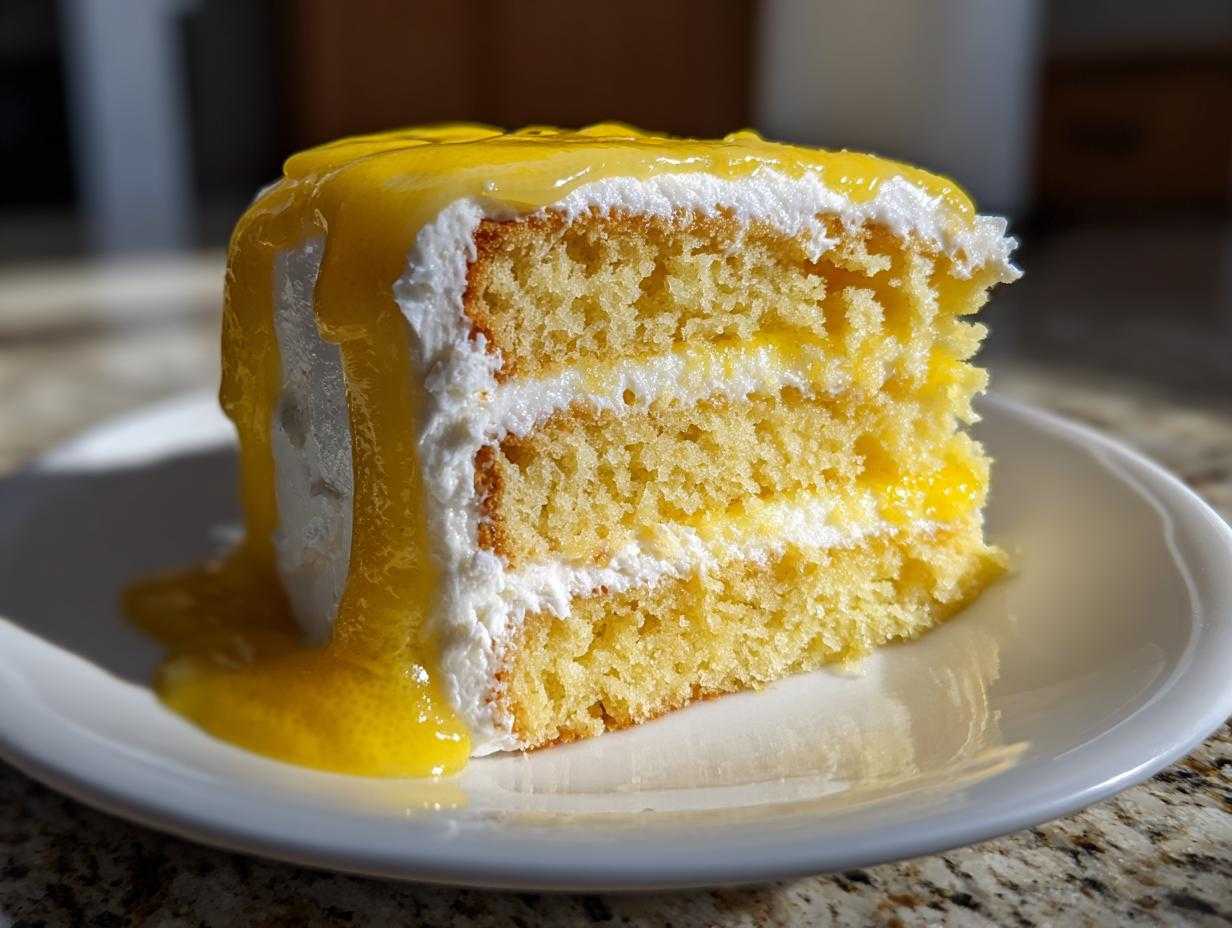
Oh, there is nothing quite like biting into a truly great lemon cake. It just screams sunshine, doesn’t it? For years, I chased that impossible dream: a cake that was unbelievably moist but still held its structure, bursting with that bright, tangy lemon punch without tasting sour. I must have tried twenty different versions before finally nailing it. This lemon cake recipe is the one I landed on, and trust me, it’s the absolute best. It’s made completely from scratch, and when you nail the balance between the sugary frosting and the sharp citrus in the batter, wow. It’s pure magic, perfect for any little celebration or just because it’s Tuesday!
Why This Moist Lemon Cake Recipe Stands Out (The Best Lemon Cake)
This isn’t just another lemon cake; this is the one that ruins all other lemon cakes for you. Seriously! What makes this so special is how it manages to be an utterly Moist Citrus Dessert while still feeling light—not heavy or dense like some pound cakes can get. We are aiming for that delicate, pillowy interior, exactly what people look for when searching for the Best Lemon Cake.
I think people often try to skimp on the fresh ingredients in a classic lemon cake recipe, and that’s where they lose the battle. My layers have that lovely, Perfectly Tender Lemon Crumb every single time. If you love bright, fresh flavors, you might also want to peek at my lemon zucchini bars when you have extra zest to use up!
Achieving Peak Bright Lemon Flavor
Forget those little bottles of lemon extract, please! They just taste artificial, like a lemon-scented cleaner rather than actual fruit. The brilliance here comes from using both the juice *and* the zest. The zest holds all those incredible oils that give you that real ‘zing’!
Here’s my little trick; try it next time: when you mix your dry ingredients, take your lemon zest and rub it right into the granulated sugar with your fingertips for about a minute before adding the butter. It physically presses those oils out into the sugar crystals, releasing way more flavor. It’s a game-changer!
Tips for a Perfectly Tender Lemon Crumb
The biggest pitfall in baking, especially with a delicate flavor profile like this, is dryness or toughness. We combat that in two main ways. First, always, always use room temperature eggs and butter. Cold ingredients just don’t emulsify right, leading to a lumpy batter! This is crucial for any good lemon cake recipe.
Secondly, once you start adding the wet ingredients to the flour and butter base, mix only until you see the last streak of flour disappear. Seriously, stop the mixer! Overmixing is what builds gluten and gives you a chewy, not tender, crumb. Be gentle, and your cake layers will be flawless.
Gathering Ingredients for Your Lemon Cake Recipe
Okay, the key to a killer cake is starting with the absolute best ingredients—and being very organized about it! A good lemon cake recipe lives or dies based on how fresh your citrus is. Don’t even bother if your lemons look sad in the fruit bowl. You need plump, bright ones! If you’re looking for more ways to use fresh lemons, you have to check out my fluffy ricotta pancakes.
Before you even look at the mixer, get all your components ready, especially ensuring your butter is properly softened and those four large eggs are at room temperature. That makes a huge difference when we start combining things!
Ingredients for the Citrus Layer Cake Recipe
For our two beautiful cake layers, you’ll need:
- 1 and 3/4 cups of all-purpose flour.
- 1 and 3/4 cups of regular granulated sugar (remember, we might have rubbed the zest in it!).
- 1 tablespoon of baking powder; that’s what gives it a nice lift.
- Just half a teaspoon of salt to balance everything out.
- Half a cup of unsalted butter, and it needs to be soft, not melted!
- Four big eggs; room temperature makes them incorporate better.
- 1 cup of whole milk—I stick to whole milk for richness.
- A quarter cup of fresh lemon juice, strained well.
- 1 full tablespoon of that vibrant lemon zest we talked about.
- 1 teaspoon of vanilla extract to round out the flavor.
Ingredients for the Homemade Lemon Glaze
For the topping, we keep it super simple so the lemon flavor really pops. You just need:
- 2 cups of powdered sugar, sifted if you want to be extra smooth.
- 4 tablespoons of fresh lemon juice. This is where we control the thickness! You might need a splash more if your kitchen is dry.
Step-by-Step Instructions for This Lemon Cake Recipe
Alright, let’s get baking! This is where the magic happens, but remember, patience is key, especially when mixing. You don’t want to rush the creaming step, or the cake won’t turn out fluffy enough. If you’re interested in other interesting baking techniques, my olive oil ice cream recipe uses a totally different approach to creating texture!
First things first, get that oven warmed up! We need a steady temperature for this delicate batter. We’re aiming to bake this beautiful lemon cake recipe until it’s gorgeously golden and springy.
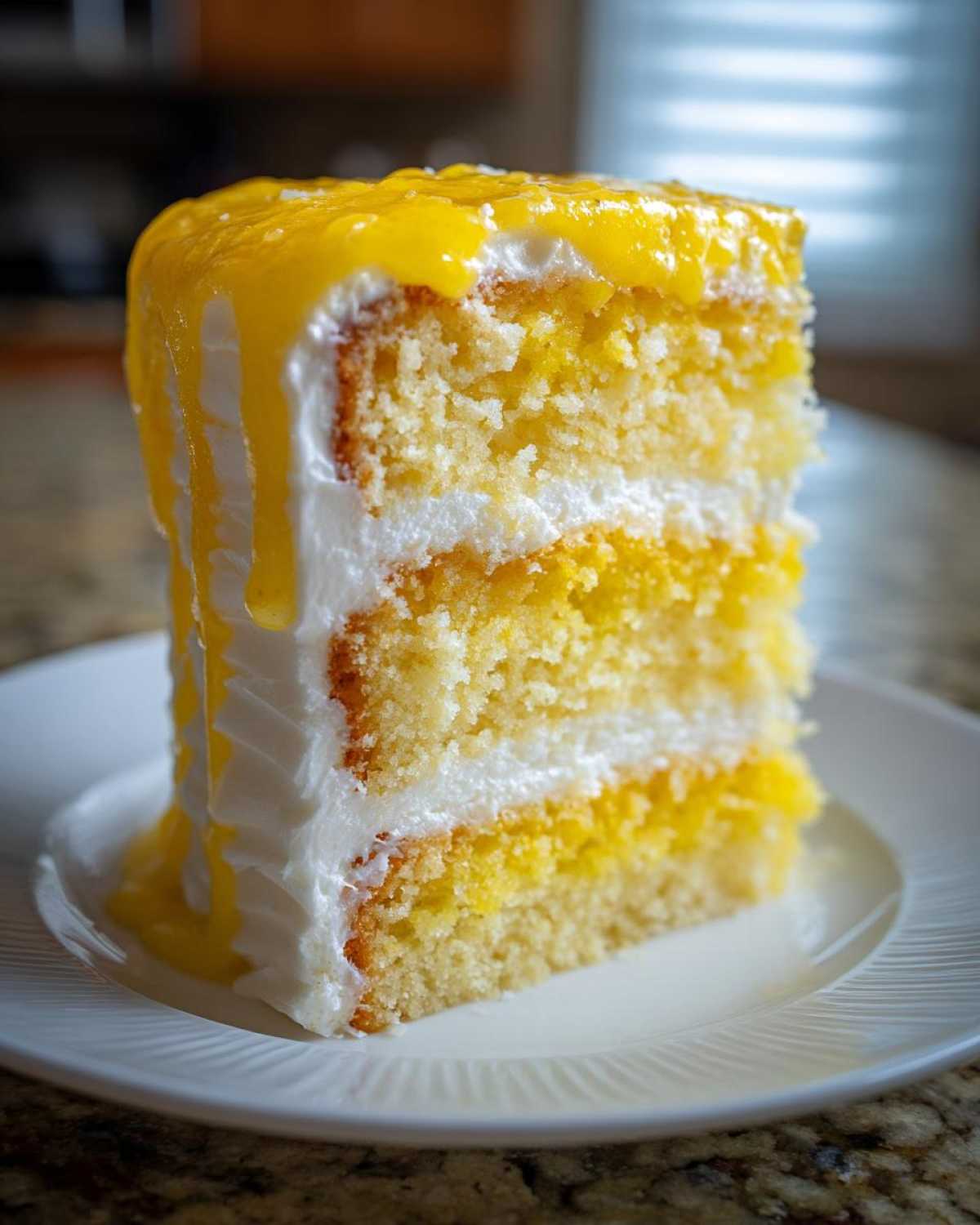
Preparing the Batter for Your Lemon Cake Recipe
Start by preheating your oven to 350°F (175°C). Grease and flour those two 8-inch round pans perfectly. Now for the mixing: In a big bowl, give your dry stuff—flour, sugar, baking powder, and salt—a good whisk together. Make sure those dry ingredients are happy neighbors!
Next, add in your softened butter. Use your mixer on low speed and beat it until it looks like coarse, buttery sand. This step is vital! In a separate little bowl, whisk your eggs, milk, that fantastic lemon juice, zest, and vanilla until they are well combined.
Now, add the wet ingredients gradually to the dry mix. Remember what I said about overmixing? Keep the mixer on medium speed and only mix until you just see the last bit of flour disappear. Stop immediately! We want smooth, but not overworked, batter.
Baking and Cooling the Citrus Layer Cake Recipe Layers
Divide that beautiful batter evenly between your prepared pans. Pop them into that hot oven and let them bake for about 28 to 32 minutes. Trust your nose; when it smells wonderfully lemony, test it with a toothpick inserted right into the center. If it comes out clean—bingo!
Let the cakes rest in their pans for about 10 minutes. Don’t leave them too long, or they’ll stick! Then, carefully flip them out onto a wire rack to cool completely. I mean completely cool. If you glaze a warm cake, you are just asking for a runny, soupy disaster.
Making and Applying the Homemade Lemon Glaze
While the layers are cooling down, make that easy glaze. Just whisk the powdered sugar with the fresh lemon juice. If it looks too stiff to pour, add juice one teaspoon at a time until it drizzles perfectly. If you accidentally made it too thin, add a teensy bit more powdered sugar to thicken it up.
Once those cakes are stone cold, take the first layer, put it on your serving plate, and cover the top surface with a decent layer of glaze. Place the second cake layer right on top. Pour the rest of that glorious Homemade Lemon Glaze over the very top center and let gravity pull it down the sides for that gorgeous, slightly messy, showstopper effect.
Tips for Success with Your Lemon Cake Recipe
Even though this is truly an Easy Lemon Baking recipe, there are just a few little tricks that make the difference between a good cake and an unforgettable cake. If you want that extra layer of moistness—and who doesn’t?—you absolutely must try brushing the warm layers with simple syrup before you glaze them.
It’s embarrassingly simple: heat one part sugar and one part water until the sugar dissolves. While the cakes are still warm from the oven (but out of their pans!), use a pastry brush to gently dab this syrup all over the surface of both layers. It soaks right in, keeping moisture trapped inside for days. It’s my non-negotiable step!
Also, remember that zest secret from earlier? Doing that guarantees you get that bright, tangy burst in every single bite. If these lemon tips help you out, you might also enjoy my recipe for tangy lemon bars with that buttery shortbread base!
Variations on the Classic Lemon Cake Recipe
One of the best things about having a fantastic base lemon cake recipe is how easily you can switch things up! We love the layer cake look for big parties, but sometimes you just want something easier to cut for an afternoon snack. This batter is so versatile because we prioritized that super moist texture right from the start. It holds up beautifully whether you bake it thin or thick.
If you haven’t tried mixing blueberries into a lemon cake yet, you are in for a treat! Check out my blueberry lemon pound cake recipe for inspiration on flavor combos. But for now, let’s stick to adapting this one.
Transforming this Lemon Cake Recipe into a Loaf Cake
If you want to skip the layering and just make a gorgeous Lemon Loaf Cake—perfect for slicing and serving with coffee—this is so simple. Take the entire batter amount and pour it into one greased and floured 9×5 inch loaf pan. Because the batter is deeper, you have to adjust the baking time. We’re looking at more like 55 to 65 minutes in that 350°F oven.
You need to test carefully; insert a skewer deep into the middle to check for doneness. When it comes out clean, you’re golden! This makes a fantastic, thick slice, and the glaze just pools beautifully on top of that flat surface.
Adding Textures to Your Zesty Lemon Cake
Sometimes you just need a little texture in your dessert life, right? This Zesty Lemon Cake is fantastic as is, but you can easily add interesting pops throughout the crumb. My favorite addition is poppy seeds. They give this subtle nutty crunch that goes so well with the citrus zing.
If you want something a little fancier, try folding in a quarter cup of finely chopped candied lemon peel along with your wet and dry ingredients. It adds little bursts of intense, sweet-tart lemon flavor throughout the cake. Just be sure to fold these additions in gently at the very end so you don’t deflate all that wonderful air we beat into the batter!
Serving Suggestions for This Refreshing Spring Cake
This Refreshing Spring Cake truly shines when it’s paired with something that enhances its natural brightness. Honestly, after all that baking, you deserve a perfect pairing! This cake doesn’t need much fuss, but the right accompaniment can turn a lovely dessert into an absolute showstopper for any gathering.
Because the glaze is already quite sweet and tangy, I love serving this cake alongside something cool and slightly herbaceous. If you’re making this for a weekend brunch or a garden party, you have to try serving slices with a pitcher of my homemade elderflower lemonade. The floral notes of the elderflower just elevate the lemon so beautifully—it’s my new favorite warm-weather combo!
For those more formal afternoon get-togethers or that Simple Afternoon Tea Cake vibe, think about what complements the texture. A tiny dollop of lightly sweetened, barely whipped heavy cream on the side is perfect. You don’t want anything heavy like buttercream frosting again; just a little cloud of dairy to cut the sharpness of the glaze.
And if you’re serving this up for dessert after a cozy dinner, a small scoop of really high-quality vanilla bean ice cream pairs wonderfully. The cold temperature contrasts the room-temperature cake so nicely. No matter how you serve it, everyone will be asking for this lemon cake recipe!
Storage & Reheating Instructions for Your Lemon Cake Recipe
Once you get the first slice of this gorgeous cake, you’ll want to make sure it lasts, right? The good news is that because we used such rich ingredients and that thick glaze, this cake stays surprisingly moist for days! But how you store it depends on how soon you plan to eat it.
For the best flavor and crumb texture, I truly advise keeping this lemon cake recipe right out on the counter if you plan to eat it within two or three days. Don’t bother with the fridge! Cold air is the enemy of tender cake; it sucks the moisture right out. Cover the cake loosely with an overturned glass cake dome or even just some plastic wrap tented loosely over it so the plastic doesn’t stick to the glaze.
If you need it to last longer, say five to seven days, then you have to move it to the refrigerator. It will firm up a lot, so you absolutely have to bring it out about an hour before serving so the butter and crumb can soften up again. If you stored it tightly wrapped in the fridge, it should be fine!
Now, what if you have leftovers that are three days old and you feel like they’ve started to tighten up just a little? Don’t panic and don’t toss those delicious slices!
To revive them, try this little trick. Take a slice and place it on a microwave-safe plate. Take a tiny, half-teaspoon of plain water or milk and sprinkle it lightly across the surface of the slice—not too much, we don’t want it soggy! Microwave it for just 8 to 10 seconds on low power. That tiny burst of steam works wonders, plumping up the crumb again and making it taste like it just cooled off the rack. A slightly warmed slice of this lemon cake recipe is an incredible treat for breakfast!
Frequently Asked Questions About This Lemon Cake Recipe
I know when you’re diving into a new baking project, you always have questions floating around. It’s totally normal! I tried to cover everything in the steps above, but let’s tackle a few common sticking points right here so you can bake with confidence. Plus, you might find the perfect twist for your next batch of this lemon cake recipe!
Can I use lemon extract instead of fresh zest in this lemon cake recipe?
Oh, I really, really hope you don’t! Look, I get it, sometimes you are in a pinch. But honestly, using just extract is like listening to music through a tin can after hearing it live. The fresh zest holds all the pungent, beautiful oils that bring the *brightness* to this cake. Extract is just a distant flavor echo. If you use extract, it will be a lemon-flavored cake, but it won’t have that genuine, vibrant ‘zing’ we are aiming for in a truly great Zesty Lemon Cake. Stick to the fresh zest, I promise you won’t regret skipping that little bottle!
How do I prevent the glaze from soaking into the cake layers?
This is the number one frustration for anyone making a glazed layer cake at home! The answer is simple, but you have to follow it strictly: your cake layers must be *completely* cooled before that glaze even touches them. I mean room temperature, maybe even slightly chilled on the rack—cool to the touch all the way through.
If the cake is even slightly warm, the heat will melt the powdered sugar in the glaze, turning it into a thin, sugary syrup that just soaks right into the crumb. That’s not a glaze; it’s a mess! Wait until they are cool, and you’ll get that perfect, slightly opaque layer that sets up nicely on top of your beautiful Citrus Layer Cake Recipe.
Is this Citrus Layer Cake Recipe suitable for making ahead?
Yes, absolutely! This is one of the great things about a sturdy layer cake like this—it actually tastes better the next day once the flavors have time to meld. My advice for making ahead is to bake your layers one day and store them tightly wrapped in plastic wrap at room temperature overnight. They stay incredibly moist!
You can whip up that Homemade Lemon Glaze the morning you plan to serve the cake. Seriously, assemble and glaze the cake assembly no more than four hours before you plan to serve it. If you glaze it too early (like the day before), the moisture from the cake starts weeping up into the glaze overnight, making it look dull and wet. Baking ahead is great; final assembly right before serving is perfection!
If you’re looking for other make-ahead friendly citrus bakes, you might enjoy my blueberry lemon loaf cake; that style really holds up well!
Estimated Nutritional Data for This Lemon Cake Recipe
I always like to include some ballpark nutritional figures just so you have an idea of what you’re digging into when you cut a generous slice of this lemon cake recipe. Now, please remember that these numbers are just estimates based on the proportions in the recipe, and they can change depending on the exact brands of butter or sugar you use! So, treat this section as a helpful guide more than a strict dietary fact sheet.
- Serving Size: 1 slice
- Calories: Around 350
- Sugar: This is a sweet one, coming in around 45g.
- Fat: About 15g total fat.
- Protein: Roughly 5g per slice.
- Carbohydrates: Expect about 52g of carbs.
- Sodium: Usually right around 200mg.
It’s a celebratory cake, friends, so enjoy it! This Moist Citrus Dessert definitely packs a sweet punch, but every single bite is worth it!
Estimated Nutritional Data for This Lemon Cake Recipe
I always like to include some ballpark nutritional figures just so you have an idea of what you’re digging into when you cut a generous slice of this lemon cake recipe. Now, please remember that these numbers are just estimates based on the proportions in the recipe, and they can change depending on the exact brands of butter or sugar you use! So, treat this section as a helpful guide more than a strict dietary fact sheet.
- Serving Size: 1 slice
- Calories: Around 350
- Sugar: This is a sweet one, coming in around 45g.
- Fat: About 15g total fat.
- Protein: Roughly 5g per slice.
- Carbohydrates: Expect about 52g of carbs.
- Sodium: Usually right around 200mg.
It’s a celebratory cake, friends, so enjoy it! This Moist Citrus Dessert definitely packs a sweet punch, but every single bite is worth it!
Print
Moist Lemon Layer Cake from Scratch with Zesty Lemon Glaze
- Total Time: 52 min
- Yield: 10 servings
- Diet: Vegetarian
Description
A simple recipe for a moist, tender lemon layer cake featuring bright citrus flavor and a tangy lemon glaze.
Ingredients
- 1 3/4 cups all-purpose flour
- 1 3/4 cups granulated sugar
- 1 tablespoon baking powder
- 1/2 teaspoon salt
- 1/2 cup unsalted butter, softened
- 4 large eggs
- 1 cup whole milk
- 1/4 cup fresh lemon juice
- 1 tablespoon lemon zest
- 1 teaspoon vanilla extract
- For the Glaze: 2 cups powdered sugar
- For the Glaze: 4 tablespoons fresh lemon juice
Instructions
- Preheat your oven to 350°F (175°C). Grease and flour two 8-inch round cake pans.
- In a large bowl, whisk together the flour, sugar, baking powder, and salt.
- Add the softened butter to the dry ingredients. Beat with an electric mixer on low speed until the mixture resembles coarse crumbs.
- In a separate bowl, whisk together the eggs, milk, lemon juice, lemon zest, and vanilla extract.
- Gradually add the wet ingredients to the dry ingredients, mixing on medium speed until just combined and smooth. Do not overmix.
- Divide the batter evenly between the prepared cake pans.
- Bake for 28 to 32 minutes, or until a toothpick inserted into the center comes out clean.
- Let the cakes cool in the pans for 10 minutes before inverting them onto a wire rack to cool completely.
- While the cakes cool, prepare the glaze: Whisk the powdered sugar and lemon juice together until smooth. Add more lemon juice, one teaspoon at a time, if the glaze is too thick.
- Once the cakes are completely cool, place one layer on a serving plate. Spread a thin layer of glaze on top. Place the second layer on top and pour the remaining glaze over the top, allowing it to drip down the sides.
Notes
- For extra moisture, you can brush the warm cake layers with a simple syrup made from equal parts sugar and water, heated until dissolved, before glazing.
- Use fresh lemon juice and zest for the best, brightest flavor.
- To achieve a tender crumb, make sure your butter and eggs are at room temperature before mixing.
- Prep Time: 20 min
- Cook Time: 32 min
- Category: Dessert
- Method: Baking
- Cuisine: American
Nutrition
- Serving Size: 1 slice
- Calories: 350
- Sugar: 45g
- Sodium: 200mg
- Fat: 15g
- Saturated Fat: 8g
- Unsaturated Fat: 7g
- Trans Fat: 0g
- Carbohydrates: 52g
- Fiber: 1g
- Protein: 5g
- Cholesterol: 90mg



Comments are closed.