
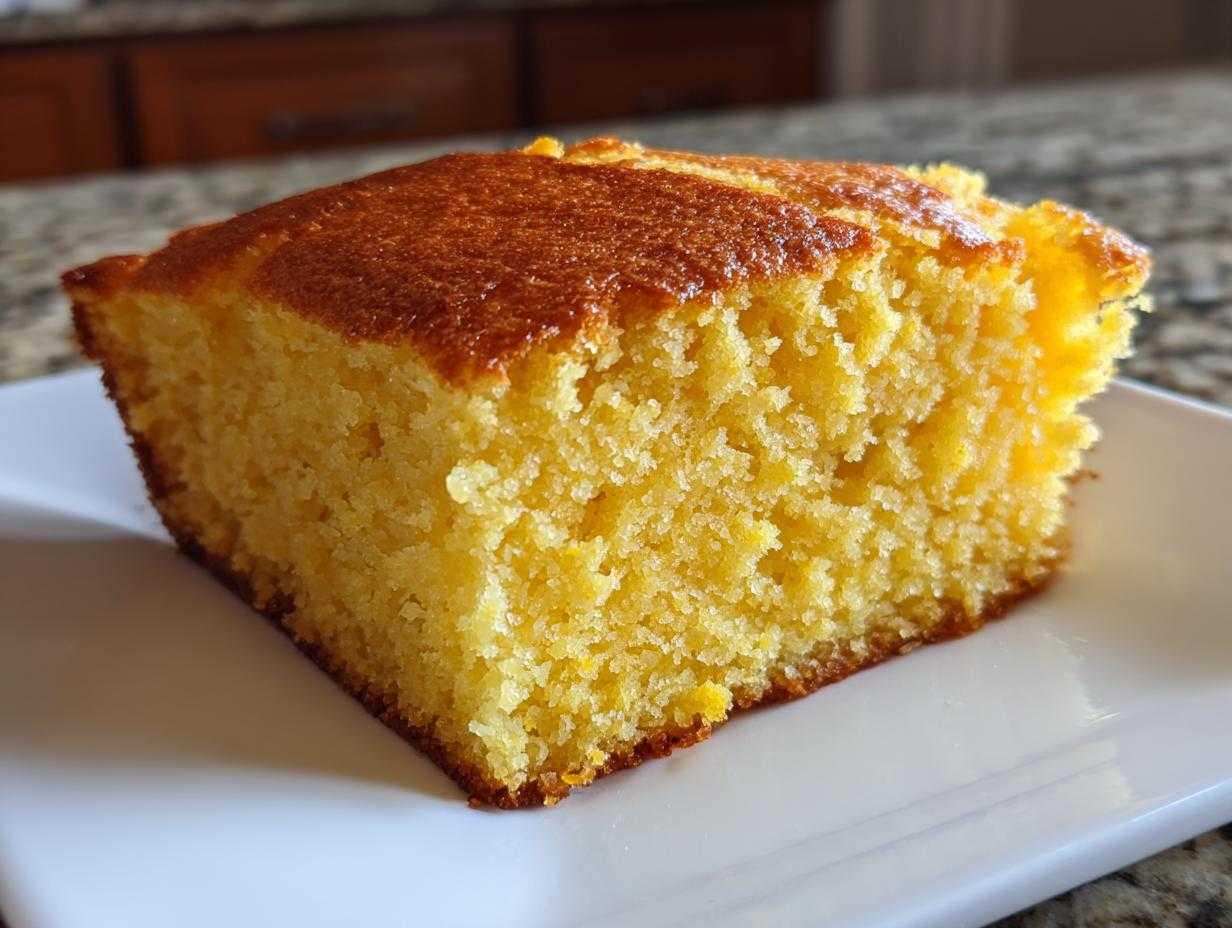
If there’s one thing I picked up watching my Uncle cook back in Texas, it’s that a true Southern kitchen hinges on a perfect side dish, and nothing beats classic Southern buttermilk cornbread. Forget those dry, crumbly versions you sometimes find—we aren’t making dust here! My goal with this recipe is to give you the most utterly moist and fluffy loaf you’ve ever seen, making it the perfect partner for chili, stew, or barbecue night. This is comfort food baking at its absolute best, drawn directly from the techniques I saw in that bustling Texas kitchen. If you love this foundation, you absolutely have to check out my recipe for Cowboy Cornbread Casserole soon! Trust me, this homemade cornbread is a keeper.
Why This Is The Best Buttermilk Cornbread Recipe (E-E-A-T Focus)
If you’re like me, you want a Southern Cornbread that offers the best of both worlds: a tender, fluffy inside, and edges so aggressively crisp they shatter when you bite them! That’s exactly what you get here. Unlike some recipes that turn out dry, the secret to this recipe being the absolute Best Cornbread Recipe lies in a few key steps Uncle taught me. We use a simple blend of cornmeal and flour to keep it tender, not grainy. Seriously, if you follow these steps, you’ll have the ultimate moist cornbread that never disappoints. I have tried every method out there, but nothing beats this technique when paired with a sizzling pan. You can see some other great classic approaches over at Grits and Pinecones, but I think you’ll find this method my favorite.
Achieving That Signature Moist Cornbread Crumb
Listen, room temperature buttermilk is non-negotiable for true moisture. Cold buttermilk shocks the flour and can lead to a tougher bake, which we definitely want to avoid. Also, pay attention to when you add that butter! We mix most of it into the batter right at the end, almost like a quick bread, which coats the flour gently. This method ensures that the final product is incredibly tender and melts right in your mouth. It’s a trick for superior buttermilk cornbread!
The Essential Role of the Cast Iron Cornbread Technique
You absolutely need a 10-inch cast iron skillet for this, it’s just tradition! Preheating that iron with the fat—I usually use a mix of butter and a touch of oil—is what creates that incredible, golden, savory crust. When you pour the batter into that screaming hot pan, you get immediate lift and crisping on the bottom and sides. It’s the signature texture of incredible Cast Iron Cornbread. It’s totally worth the extra step, trust me! If you want further inspiration on baking with cast iron, check out how I use it for my Cowboy Cornbread Casserole.
Gathering Ingredients for Perfect Buttermilk Cornbread
Alright, let’s talk about what you actually need for this golden beauty. I’ve listed everything out below. Remember what I said about temperature? That applies here too! For this buttermilk cornbread recipe to sing, you really need that buttermilk to be brought up to room temperature—it blends so much better and reacts more predictably with the leaveners. I also highly recommend using good quality yellow cornmeal; it gives you that rich color we’re looking for in a traditional cornbread.
Don’t worry about the sugar—I put in 1/4 cup, which gives it a slight hug of sweetness, but if you’re strictly savory, you can cut that way down. Here’s the list. Get everything together first, because once that skillet is hot, things move fast!
- 1 1/2 cups yellow cornmeal
- 1 cup all-purpose flour
- 1/4 cup granulated sugar (adjust for sweetness preference)
- 1 tablespoon baking powder
- 1 teaspoon salt
- 1/2 teaspoon baking soda
- 1 1/2 cups buttermilk, room temperature
- 2 large eggs, lightly beaten
- 1/2 cup unsalted butter, melted, plus extra for greasing the skillet
Step-by-Step Instructions for Easy Buttermilk Cornbread
Okay, this is where we stop messing around and start baking! This easy cornbread recipe moves fast once you get started, especially because we preheat the pan. Don’t stress about rushing though; I’ll walk you through the timing so you get that perfect Southern texture every single time. If you’ve ever struggled with a recipe that calls for mixing wet and dry ingredients, this method is my failsafe way to ensure a consistently great result. It’s the kind of straightforward guide I always wished I had when I first started baking dinner breads!
Preparing the Oven and Skillet for Your Buttermilk Cornbread
First things first: get that oven cranked up to 400°F (200°C). Seriously, while it’s heating, you should already have your 10-inch cast iron skillet sitting right in there. It needs to get smoking hot—that’s the secret behind the amazing crust we talked about. Once it’s preheating, we move straight into mixing. We want everything ready to go the second that skillet comes out!
Mixing the Dry and Wet Components of the Buttermilk Cornbread Batter
Grab a big bowl and whisk all your dry goods together: the cornmeal, flour, sugar, baking powder, salt, and baking soda. Whisk it well so everything is perfectly distributed. In a separate bowl, just give your room-temp buttermilk and eggs a light whisk—don’t beat them silly, just combine them. Now, here’s the key: pour your wet mix into the dry. Mix it gently with a spatula until you see *just* combined. I mean it: stop mixing when there are still a few dry streaks left. Overmixing is the enemy of Fluffy Cornbread!
The Final Batter Assembly and Baking the Cast Iron Cornbread
Now for the sizzle! Carefully grab that blazing hot skillet with oven mitts and drop in 2 tablespoons of the softened butter. Swirl it around until the whole bottom is coated and it starts to hiss—that’s the sound of success! Immediately pour the remaining 6 tablespoons of melted butter right into your batter and stir that in quickly. Don’t wait! Then, pour the whole glorious mess straight into that hot, buttered skillet. It should bubble wildly around the edges. Slide it back into the oven (carefully!) and bake it for 20 to 25 minutes until it’s golden brown on top. If you want more inspiration for other great recipes, check out this recipe from Savor Queen!
Tips for Perfect Southern Cornbread Every Time
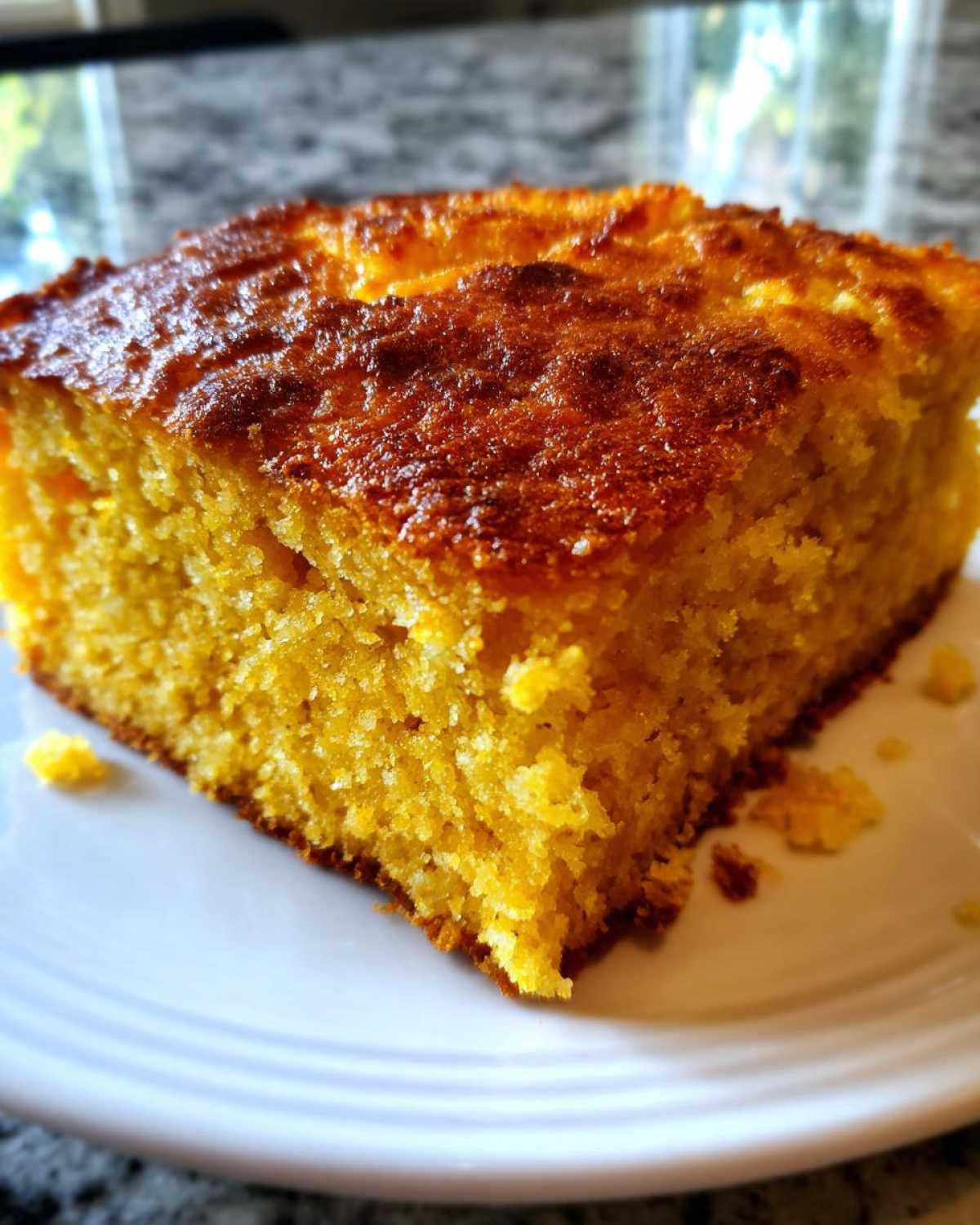
Even though this is an Easy Cornbread Recipe, there are a few tiny little secrets—the kind my Uncle never wrote down but always did—that separate a good batch from the absolute best batch of Traditional Cornbread. It’s all about temperature control and treating those liquids right! If you nail these details, you’ll have everyone asking you for your Homemade Cornbread recipe for years to come. I swear, the difference is noticeable once you start paying attention to these small things. Speaking of great pairings, if you’re looking for other amazing side dishes, you need to see my recipe for Spaghetti Aglio e Olio with Kale!
Adjusting Sweetness in Your Buttermilk Cornbread
So, sweet versus savory—it’s a major ongoing debate in the cornbread world, isn’t it? This recipe lands right in the middle, leaning slightly sweet because of that 1/4 cup of sugar. If you grew up eating super-savory, almost salty cornbread meant strictly for soaking up pot liquor or chili, just cut that sugar down to one lonely tablespoon. If you want to go full-on dessert territory, feel free to sneak in a drizzle of honey or maple syrup when you serve it, or even add a little extra sugar to the batter. It’s your bread; make it taste like *your* happy memories!
Why Room Temperature Buttermilk Matters for Buttermilk Cornbread
This is a big one for anyone using baking soda for lift, which we are! Baking soda needs acid to react properly and create those wonderful bubbles that give you that fluffy lift, making it an excellent Quick Bread Recipe. When your buttermilk is ice cold straight from the fridge, it slows down that reaction significantly. If the reaction is slow, you end up with less lift and a slightly denser texture. Letting it sit on the counter for 30 minutes—or just warming it slightly in the microwave for 15 seconds—ensures it’s ready to get to work immediately when it meets the baking soda. That quick, powerful reaction is what guarantees a better rise in your Dinner Breads!

Serving Suggestions for Your Homemade Cornbread
Honestly, slicing into this Homemade Cornbread while it’s still steaming is pure heaven. Because this is such a fantastic, classic American side dish, I love serving it alongside anything that needs a sturdy, buttery sponge to soak up the goodness. If you made a perfect batch of chili—and you absolutely should try my recipe for High-Protein Chili—this cornbread is the only acceptable scooping tool!
Besides soup and chili, it’s mandatory with barbecue, especially pulled pork or brisket, because that slight sweetness cuts through the smoke perfectly. And don’t forget drizzling it with honey or topping it with just a hefty smear of salted butter while it’s piping hot. It’s the ultimate comfort food pairing, and it makes any simple meal feel like a feast. Remember, cornbread should never be lonely on the plate!

Storage and Reheating Classic Buttermilk Cornbread
Now, I know the real challenge: how do we keep this incredible buttermilk cornbread tasting just as amazing the next day? Right now, while it’s warm, just slather it with butter and enjoy every crumb. But if you’ve got leftovers—which I highly doubt, but let’s be prepared—storage is simple. Once the cornbread has cooled completely, wrap it up snug. I usually use plastic wrap first, and then tuck that into a zip-top bag. That double layer helps lock in the moisture we worked so hard to achieve!
It keeps on the counter for about two days just fine. If you know you won’t devour it that quickly, wrap it well and pop it in the fridge for up to five days. It’s an amazing addition to reheat the next day alongside a big bowl of leftover turkey soup, for example!
Here’s the real trick, though—and this is crucial if you want that crunchy crust back. Refrigerated cornbread loses its edge crispness because moisture migrates. So, when you reheat it, you have to bring that heat back fast! I never even bother with the microwave for a slice if I want the texture to be right. Instead, pop your slice directly back into that same cast iron skillet (or just a regular oven-safe pan) over medium heat for just a minute or two per side. You just want to warm the inside and let the outside crisp right back up. Trust me, that quick blast of dry heat fixes everything and makes it taste like it just came out of the oven. It’s the only way to keep this homemade cornbread perfect!
Frequently Asked Questions About Buttermilk Cornbread
I always get questions rolling in once people try this recipe, and that’s fantastic! It means you’re excited to bake, which is the best part. Since this is such a staple, especially for things like chili night, let’s tackle a few common queries so you feel totally confident executing this buttermilk cornbread perfectly. It’s truly one of the best and easiest Quick Bread Recipes you’ll ever keep in your collection!
Can I make this buttermilk cornbread in a square pan instead of cast iron?
You certainly can! Life happens, and sometimes the cast iron skillet is busy making biscuits or something else equally delicious. If you use a square 8×8 or 9×9 inch pan, just make sure you grease it really well, maybe even line the bottom with parchment paper for peace of mind. The main difference you’ll notice is that the crispy edge won’t wrap all the way around the loaf like it does in the round skillet. You’ll still get crispy edges, but they won’t be quite as intense since the heat distribution is different. Also, keep an eye on the baking time; a slightly shallower pan might cook a minute or two faster. It’s still going to be amazing Homemade Cornbread!
What is the difference between this and regular cornbread?
Ah, the million-dollar question! A lot of older, very traditional recipes might use water or milk instead of buttermilk. If you use plain milk or water, you miss out on two huge things that define this specific Southern Cornbread experience. First, you get that wonderful, subtle tangy flavor from the cultured buttermilk, which really balances the cornmeal. Second, and most importantly for texture, buttermilk is more acidic. That acid reacts beautifully with the baking soda we added, giving the bread a much better rise and a more tender crumb. It’s why this version avoids becoming dry and crumbly, making it superior for soaking up sauces during dinner.
Can I freeze leftover buttermilk cornbread?
Yes, you absolutely can freeze it, and it’s a great way to keep this Classic American Side Dish on hand for later! The key is to ensure it’s completely cool before you wrap it. Cut the cornbread into individual slices—it’s much easier to thaw just what you need that way. Wrap each slice tightly first in plastic wrap, and then pop those wrapped slices into a sturdy, freezer-safe zip-top bag. It stays great frozen for about three months. When you want to enjoy it, just wrap the slice in a slightly damp paper towel and microwave it for about 20 to 30 seconds. That helps bring back the moisture without losing all the tenderness. If you want that crust back, zap it in the microwave for 20 seconds, then quickly toast it in a non-greased pan on the stovetop for 60 seconds.
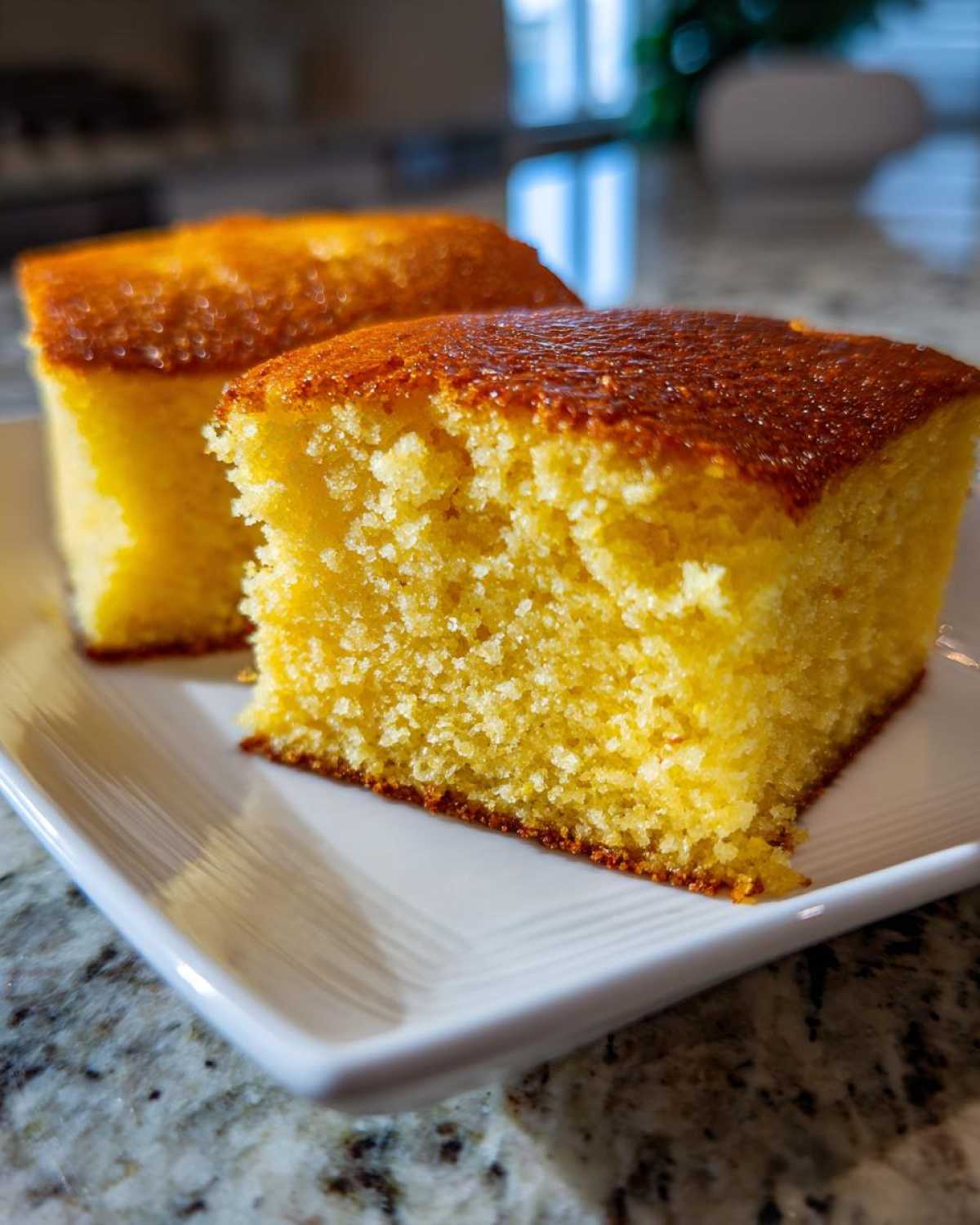
If you have any other burning questions about making this, or if you want to peek at my resources for other great quick bread recipes, check out this great take on a grandmother’s recipe over at All Cooks Corner!
Nutritional Estimates for This Buttermilk Cornbread Recipe
I always want to be upfront about what goes into the food we eat, even when it’s comfort food baking gold like this! Now, I’m Alexander Knight, not a registered dietitian, so take these numbers with a grain of salt—literally, maybe take them with a grain of cornmeal! These figures are calculated estimates based on the exact ingredient amounts listed in the recipe above for this delicious buttermilk cornbread. Your specific brand choices, how precisely you measure your butter, and exact ingredient sizes can make these numbers wiggle around a bit.
But hey, it gives us a good benchmark, right? This is proof that you can enjoy a satisfying, hearty slice of homemade cornbread that really complements your meal without completely derailing your day. If you’re pairing this with my Avocado Chicken Salad, you’re certainly getting some healthy fats in there too!
Here’s what the numbers look like per slice (assuming you slice it into 8 servings):
- Serving Size: 1 slice
- Calories: 280
- Sugar: 7g
- Sodium: 350mg
- Fat: 15g
- Saturated Fat: 8g
- Carbohydrates: 30g
- Protein: 6g
- Cholesterol: 75mg
See? Not too shabby for the best Southern Cornbread you’ll ever make! Enjoy every bite!
Share Your Experience with This Classic American Side Dish
Whew! We did it! We navigated the sizzling skillet, mastered the mixing, and now you have a golden, steamy loaf of the best buttermilk cornbread imaginable right in front of you. Now comes my favorite part of sharing a recipe here at Forkful Heaven—hearing from you!
I’m so eager to know how this turned out in your kitchen. Did you go for the slightly sweet version, or did you lean into a more savory profile? And the most important question: What amazing meal did you pair this Classic American Side Dish with? Was it soaking up the juices from a pot of chili, or maybe accompanying some smoky barbecue?
Take a picture if you can! I absolutely love seeing your bakes. Tag me on social media or just drop a comment below and tell me how much you enjoyed it. If you loved this recipe, feel free to leave a rating—it helps other folks find their way to Forkful Heaven! And if you’re looking for more incredible pairings, you have to try serving this alongside my Chicken Tikka Masala Sliders sometime; trust me, it’s an unexpected winner! Happy baking, and don’t forget to check out other great techniques over at Bibodo!
Print
The Best Moist & Fluffy Southern Buttermilk Cornbread
- Total Time: 35 min
- Yield: 8 servings
- Diet: Vegetarian
Description
Bake this classic Southern buttermilk cornbread for a tender, moist crumb and crispy edges. It is an easy, comforting side dish perfect for chili or barbecue.
Ingredients
- 1 1/2 cups yellow cornmeal
- 1 cup all-purpose flour
- 1/4 cup granulated sugar (adjust for sweetness preference)
- 1 tablespoon baking powder
- 1 teaspoon salt
- 1/2 teaspoon baking soda
- 1 1/2 cups buttermilk, room temperature
- 2 large eggs, lightly beaten
- 1/2 cup unsalted butter, melted, plus extra for greasing the skillet
Instructions
- Preheat your oven to 400°F (200°C). Place a 10-inch cast iron skillet in the oven while it preheats.
- In a large bowl, whisk together the cornmeal, flour, sugar, baking powder, salt, and baking soda.
- In a separate medium bowl, whisk together the buttermilk and eggs.
- Pour the wet ingredients into the dry ingredients. Mix gently until just combined; do not overmix.
- Carefully remove the hot skillet from the oven. Add 2 tablespoons of the melted butter to the hot skillet and swirl to coat the bottom and sides completely. The butter should sizzle.
- Pour the remaining 6 tablespoons of melted butter into the batter and quickly stir it in.
- Immediately pour the batter into the hot, buttered skillet.
- Bake for 20 to 25 minutes, or until the top is golden brown and a toothpick inserted into the center comes out clean.
- Let the cornbread cool in the skillet for about 10 minutes before slicing and serving warm.
Notes
- For the crispiest edges, ensure your cast iron skillet is very hot when you pour in the batter.
- If you prefer a less sweet cornbread, reduce the sugar to 1 tablespoon.
- This cornbread pairs wonderfully with honey or a pat of salted butter.
- Prep Time: 10 min
- Cook Time: 25 min
- Category: Side Dish
- Method: Baking
- Cuisine: American
Nutrition
- Serving Size: 1 slice
- Calories: 280
- Sugar: 7
- Sodium: 350
- Fat: 15
- Saturated Fat: 8
- Unsaturated Fat: 7
- Trans Fat: 0
- Carbohydrates: 30
- Fiber: 2
- Protein: 6
- Cholesterol: 75


Comments are closed.