
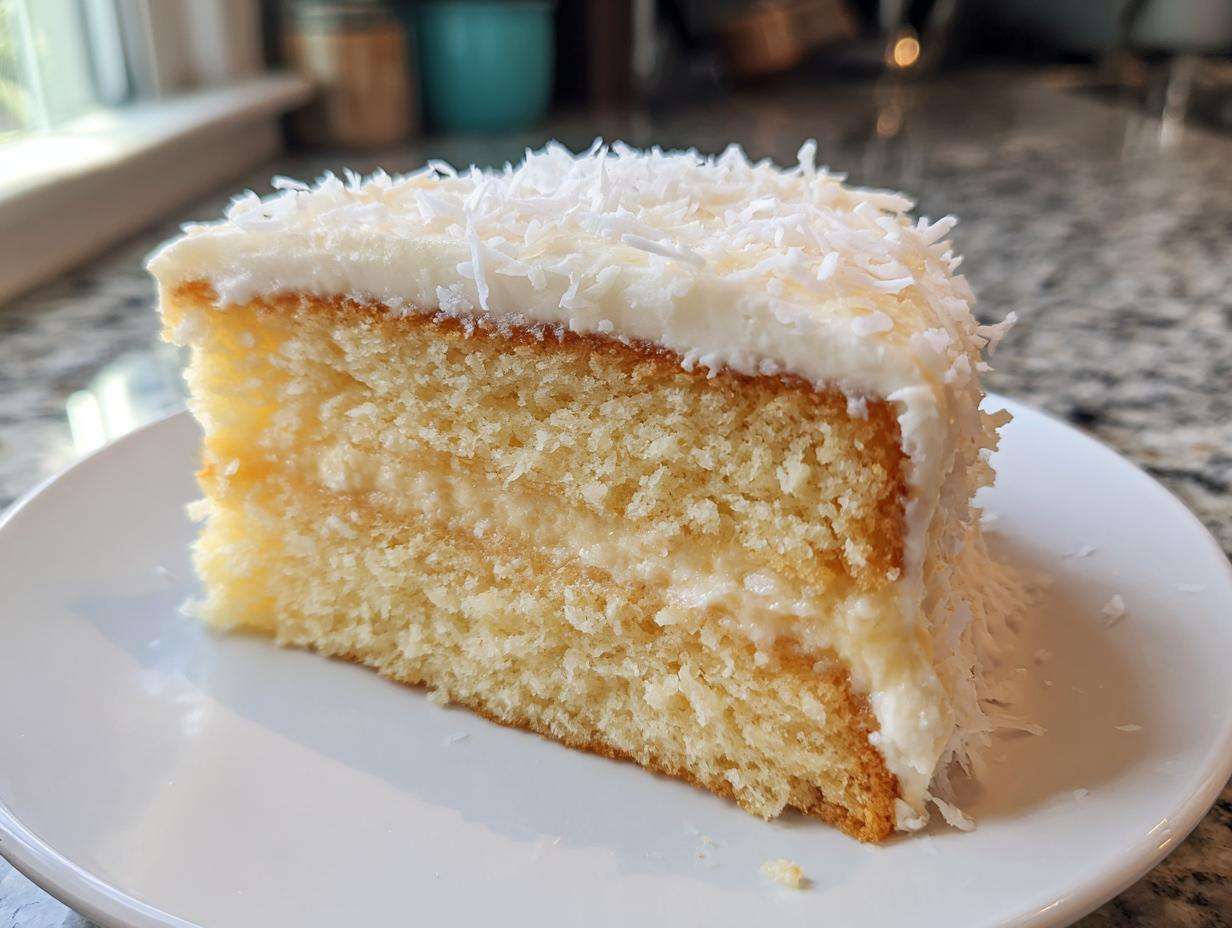
When I think about true, memorable Southern desserts, my mind always goes straight to cakes that are impossibly fluffy and dripping with creamy goodness. If you need a cake that commands attention at a Sunday dinner, a birthday party, or frankly, just because it’s Tuesday, then you have found your new obsession. I’m talking about the Best Moist & Fluffy Southern Coconut Cake Recipe! This isn’t just another dessert; it’s the kind of show-stopper that makes people hug a little tighter and stay at the table a little longer. Creating something this delicious from scratch is pure joy, and this stunning coconut cake truly embodies my mission to bring people together over fantastic food!
Why This Moist Coconut Cake Recipe is Your New Favorite (E-E-A-T)
I’ve spent years trying to nail that perfect texture, much like my Uncle tried to get his Texas smokehouse brisket just right—it takes patience! This recipe separates itself from the rest because it delivers true moisture without being dense or gummy. If you loved how zesty my lemon cake was, you’ll appreciate the balance here!
- Guaranteed moist cake layers every single time, even if you bake it a day ahead.
- That signature Southern richness that just whispers ‘celebration.’
- The texture is light enough for spring but rich enough for the holidays.
It’s the dedication to the feel of the cake that makes this recipe a keeper.
Achieving the Perfect Fluffy Coconut Cake Layers
The secret here isn’t just adding coconut; it’s how we treat the batter. We rely on a specific combination of leavening and careful mixing of the wet and dry parts—I use my stand mixer but keep it slow! This process is what turns simple ingredients into those incredibly light, fluffy cake layers you usually only find in a fancy bakery style coconut cake.
The Richness of Homemade Coconut Cream Cake Frosting
Oh, the frosting! If the cake is the star, this frosting is the velvet curtain. We use a combination of butter, cream cheese, and real coconut milk to create a coconut cream cake recipe filling that is unbelievably smooth. It’s tangy just enough to cut through the sweetness of the shredded coconut topping, making every bite perfect.
Gathering Ingredients for Your Southern Coconut Cake
Alright, time to get set up! Baking the best coconut cake means respecting your ingredients from the start. I laid out *everything* we need below, but pay close attention to the prep notes—that’s truly where the magic begins for any truly moist coconut cake recipe. I always get my eggs out hours early because using room temperature ingredients is non-negotiable for structure, just like my Uncle always insisted on curing his meats properly.
Remember, we are aiming for that beautiful bakery quality, so quality really counts here!
- 1 3/4 cups all-purpose flour
- 1 3/4 cups granulated sugar
- 1 tablespoon baking powder
- 1/2 teaspoon salt
- 1/2 cup unsalted butter, softened
- 4 large eggs, room temperature
- 1 cup whole milk
- 1 teaspoon vanilla extract
- 1/2 cup unsweetened coconut milk
- 1 cup sweetened shredded coconut, for cake layers
- 1 cup unsweetened shredded coconut, for coating
- 1/2 cup (1 stick) unsalted butter, softened, for frosting
- 4 cups powdered sugar, sifted, for frosting
- 1/2 cup cream cheese, softened, for frosting
- 1 teaspoon vanilla extract, for frosting
- 1/4 cup coconut milk, for frosting
- 1/4 cup cream of coconut (like Coco Lopez), for frosting
I also included the ingredients for the optional glaze in my full instructions, but for now, these form the backbone of our layered masterpiece. Don’t forget to pre-measure everything before you start mixing!
Ingredient Notes and Substitutions for Coconut Cake
If you want to bring out that deep, tropical flavor that makes folks ask for your recipe—you have to toast that designated 1 cup of sweetened coconut! Spread it on a baking sheet and pop it into the oven for just five to seven minutes at 350°F. Keep a close eye on it; it goes from golden brown to burnt faster than a summer afternoon in Texas!
Also, make sure those four eggs are truly at room temperature. Cold eggs shock the butter and mess up that lovely aeration we worked so hard to achieve. If you’re in a pinch, you can place the eggs in a bowl of warm (not hot!) water for about ten minutes to speed things up. This level of detail is why this homemade coconut cake always turns out so soft and dreamy.
If you want to try a little upgrade before you bake, I highly suggest brushing the cooled layers with a little rum or extra coconut milk—it’s next level moist! You can peep how I treat other baked goods in my maple dijon carrots for similar flavor-boosting ideas.
Step-by-Step Instructions for the Best Coconut Cake
Now for the fun part! Remember, this is that bakery style coconut cake that feels fancy but really just comes down to following a few key steps patiently. Take your time, and don’t rush the mixing, especially when we start combining the wet and dry stuff—that’s really crucial for a successful easy layer cake recipes outcome.
Baking the Light Fluffy Cake Layers
First things first: get that oven preheated to 350°F (175°C) and make sure your pans are greased, floured, and have parchment circles snug on the bottom. In a big bowl, give your flour, sugar, baking powder, and salt a nice whisk together. Then, toss in that softened butter and mix slowly until it looks like gritty sand. Separately, whisk your eggs, milk, vanilla, and that unsweetened coconut milk until they are just happy together. Now, add the wet stuff to the dry stuff gradually while mixing on medium speed. Stop mixing the second they combine—seriously, overmixing is the enemy of fluffy coconut cake! Finally, gently fold in that 1 cup of sweetened shredded coconut. Divide the batter up and get those in the oven for about 30 to 35 minutes. Test with a wooden pick; if it has moist crumbs clinging to it, you’re golden!
Creating the Creamy Coconut Frosting Homemade
While those beauties cool down completely—and I mean completely, or the frosting melts—we make the best coconut frosting homemade. Get your extra softened butter and cream cheese beating until they are light and fluffy on their own. Then, start adding that sifted powdered sugar slowly on the low setting so it doesn’t fly everywhere! Once incorporated, turn up the speed and beat until fluffy. Now, you fold in the vanilla, the regular coconut milk, and the secret ingredient here: the cream of coconut (like Coco Lopez!). Beat it until it’s swirl-able and rich, perfect for spreading!
Assembling and Finishing Your Coconut Cake
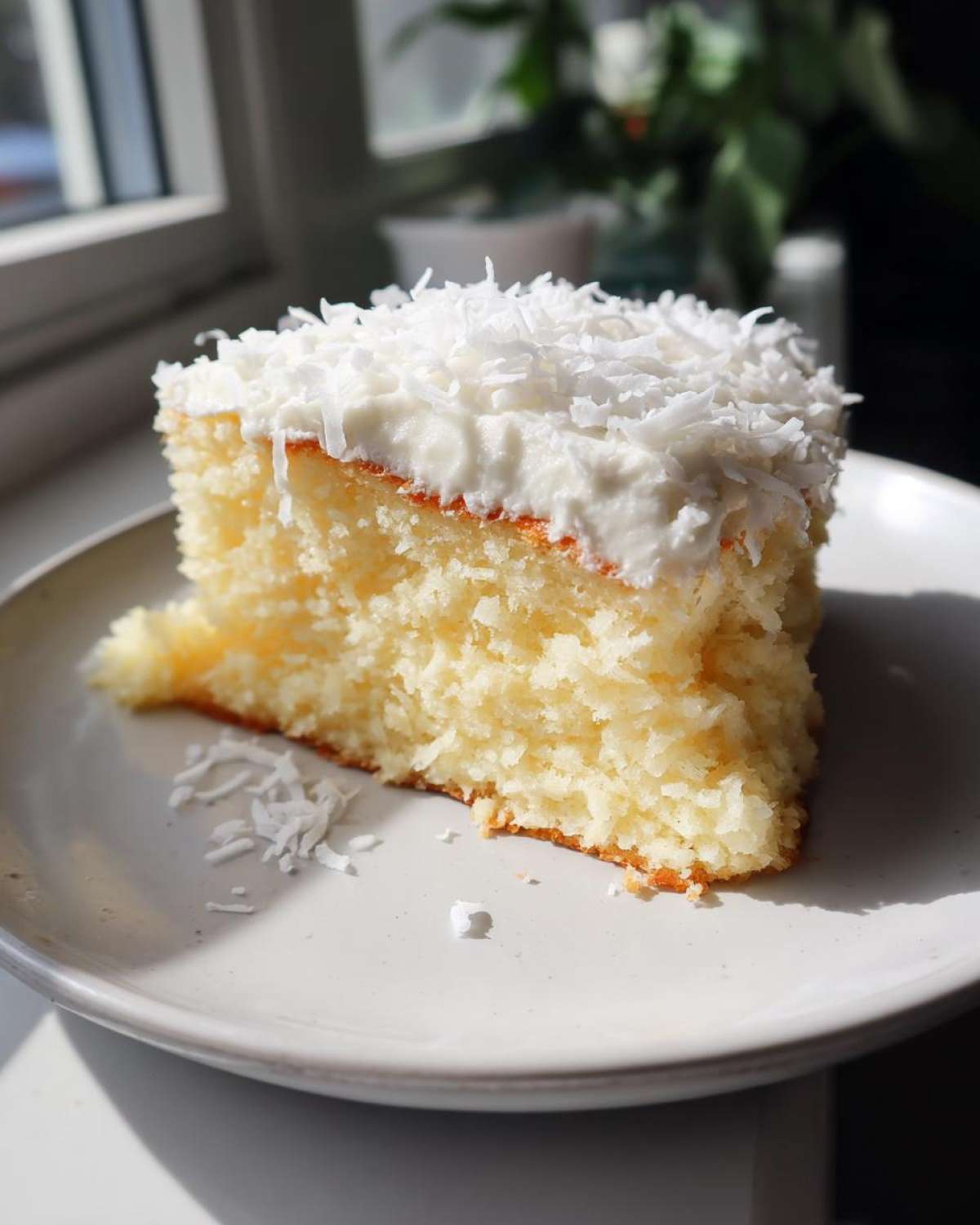
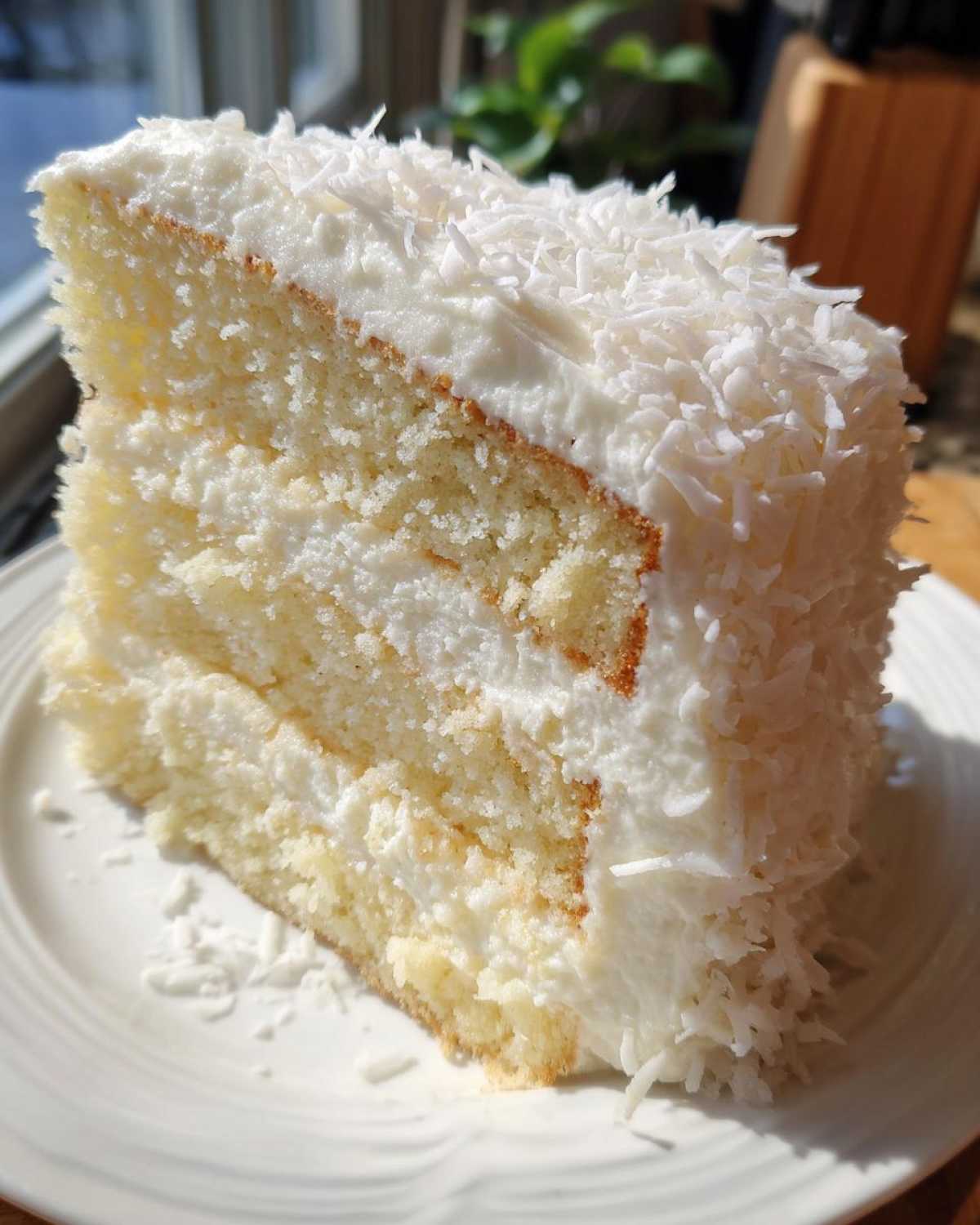
This is where the “show-stopper” part happens! Once the layers are totally cool, place the first one down. Slather on a satisfying, thick layer of that cream cheese frosting. Top it with the second layer. Now, cover the entire thing—top and sides—with the rest of the frosting. Don’t be shy; make it look beautiful, or perfectly rustic! The very last step is pressing that 1 cup of unsweetened shredded coconut all over the exterior until it looks snowy. It’s gorgeous!
Tips for Success When Making a Coconut Layer Cake
Baking a truly amazing coconut layer cake—one that sinks into that deeply satisfying ‘best coconut cake’ category—takes a few tricks up the sleeve. I learned these little secrets over many frustrating (and delicious) attempts, trying to replicate those impossibly soft bakery cakes I saw growing up. These aren’t in the main instructions, but they make the difference between a good cake and a “Wow, Alexander, what did you put in this?!” cake.
First off, let’s revisit toasting the coconut. If you missed it above, please go back and toast that 1 cup of sweetened shredded coconut before folding it in! It takes maybe seven minutes, but that toasting process wakes up the oil in the coconut, giving your cake a deeper, nuttier, almost buttery edge that raw coconut just can’t touch. It really elevates the whole experience.
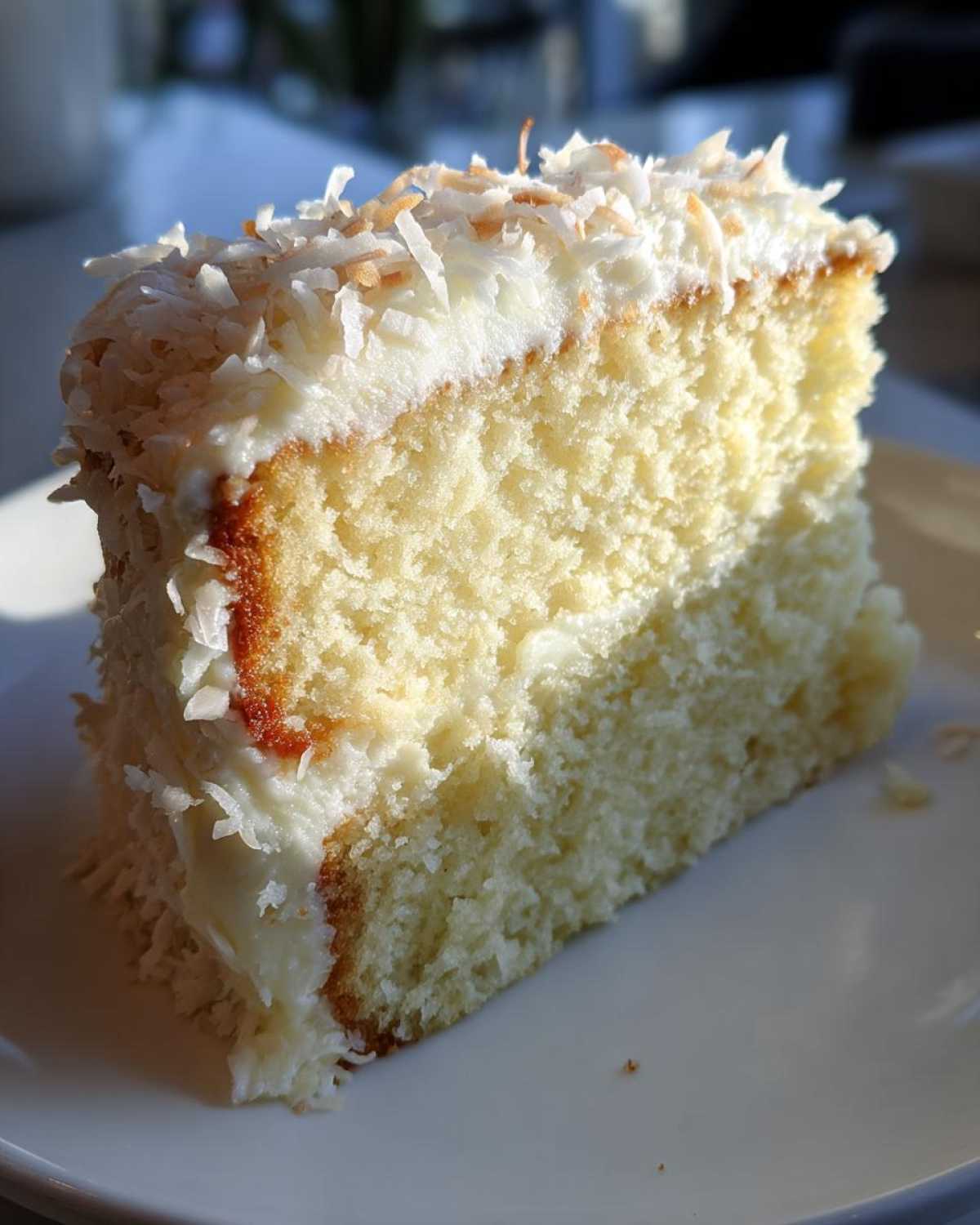
Secondly, about moisture: I mentioned brushing the layers, but I want to stress this point for anyone who worries about dryness. Once the cake layers are 100% cool, take down about a half-cup of unsweetened coconut milk—or if you’re feeling fancy, mix that milk with a tiny splash of white rum or maybe even vanilla extract if you want to keep it super family-friendly. Gently use a silicone brush to just lightly kiss the top surface of each layer before you put the frosting on.
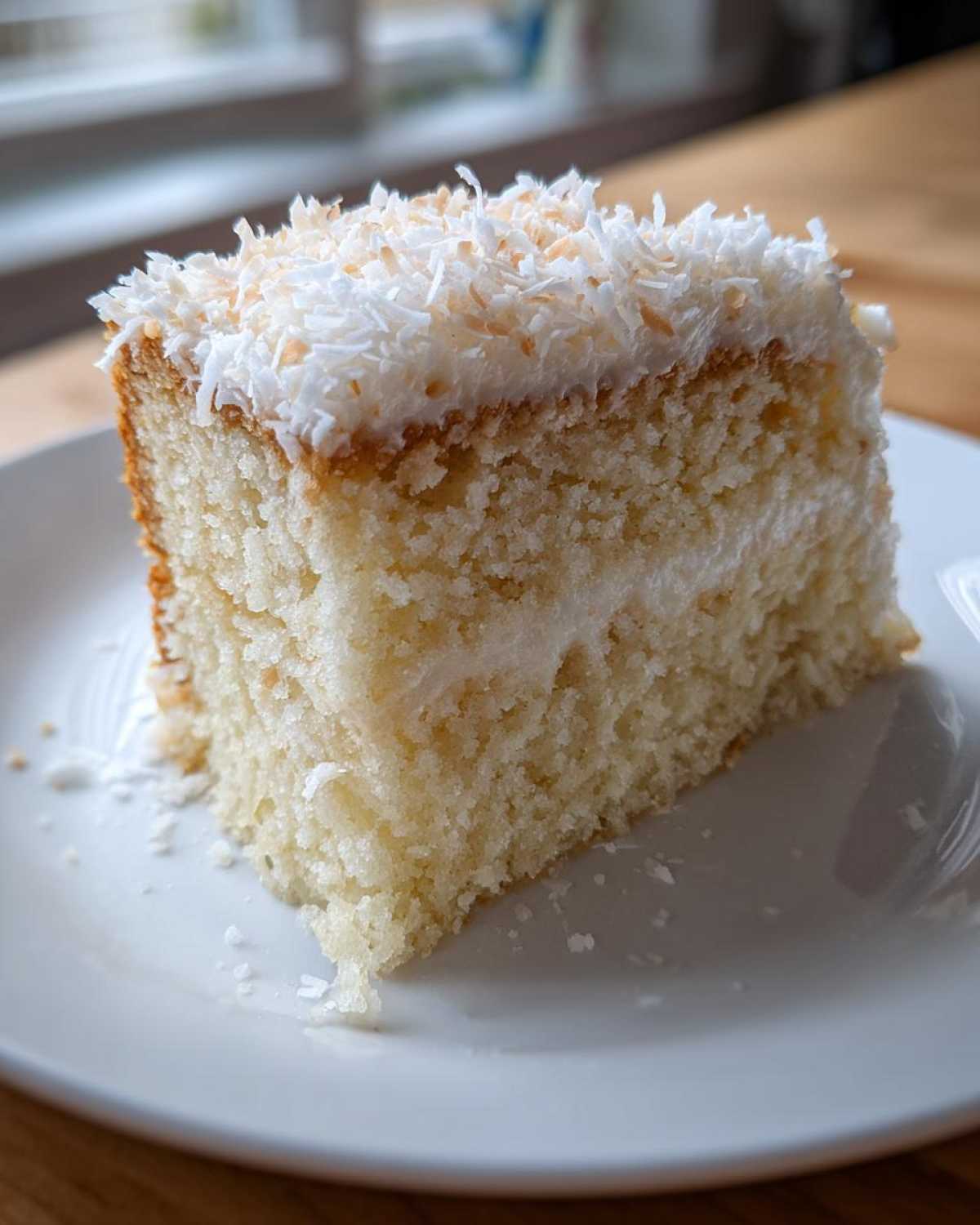
This step seals in moisture beautifully and ensures there isn’t a dry crumb in sight on your delicious coconut layer cake. Think of it like giving the cake a tiny drink before it gets dressed up in that fluffy frosting!
Also, when you are prepping your pans, if you’re using a springform or a non-stick Bundt pan (if you ever decide to try a coconut bundt cake variation sometime), make sure you aren’t using sprays that contain flour, as that leaves a gummy residue. Stick to either my cake goop method or simple butter/flour dusting, or use parchment rounds placed on the bottom. We want a clean release when these beauties come out!
Storage and Serving Suggestions for Your Coconut Cake
So, you’ve made this absolutely heavenly coconut cake, and miraculously, there are leftovers! Because this stunning Southern coconut cake uses a cream cheese and butter frosting, we absolutely must keep it protected. The best way to store any leftovers is in an airtight container in the refrigerator. You can generally keep a fully frosted cake good for about four days this way, though I doubt it’ll last that long!
When you pull it out of the fridge, it’s going to be a little firm because of all that beautiful butter and cream cheese in the frosting. What I always do is let it sit on the counter covered for about 30 minutes before serving. That little bit of warming up brings back that soft, dreamy texture we worked so hard to bake into those layers. Don’t put it in the microwave; that heat will cause weeping on the frosting, and we don’t want sad, melted coconut!
When it comes to serving this tropical coconut dessert, sometimes simple is best. A slice of this cake stands perfectly fine on its own because of that rich frosting and coconut flavor profile. However, if you want to dress it up for a special occasion, try a very small dollop of unsweetened whipped cream on the side—it adds a beautiful lightness. Or, if you’re building a whole dessert spread, this cake pairs wonderfully with fresh, slightly tart fruit, like grilled pineapple or maybe even a scoop of tart mango sorbet!
If you’re ever looking for other lighter, brighter dishes to serve alongside your sweets, check out my recipe for avocado chicken salad. Totally different course, I know, but both are refreshing takes on classic flavors!
Frequently Asked Questions About This Coconut Cake Recipe
I know you might have a few lingering questions before you tie on your apron. That’s totally fair! When tackling a showstopper like this, you want all the details locked down. I’ve gathered the queries I get most often from folks making this homemade coconut cake for the first time. Getting these little details sorted makes all the difference, trust me!
Is this the best coconut cake for birthdays?
Oh banner the flags, yes! This is absolutely the best coconut cake for birthdays, anniversaries, or anything you want to feel special. Because we’re aiming for that bakery style coconut cake finish, it photographs beautifully and tastes incredibly rich, yet the layers stay so light and fluffy—no one wants a dense birthday cake! It’s a real crowd-pleaser and always gets rave reviews when I bring it to gatherings. It just screams celebration!
How do I ensure my coconut cake is extra moist?
This is the million-dollar question for any coconut poke cake or layer cake recipe! Moisture comes from a few key places we already covered, but let’s reiterate the biggest wins: First, don’t skip toasting the nuts, as that enhances flavor instead of drying them out. Second, the absolute best thing you can do is gently brush those completely cooled layers with a drizzle of unsweetened coconut milk right before you start frosting. It sinks right in and keeps everything tender for days. If you are interested in a different soak for a poke cake version, check out my guide!
Can I use canned coconut milk, and what about the cream of coconut?
Yes, you can definitely use canned coconut milk for the liquid in the batter and the frosting—that’s what I used! Just make sure you are grabbing the regular, unsweetened coconut milk, not the reduced-fat stuff, as we need that fat content for moisture. The other crucial item is the cream of coconut, like Coco Lopez. That’s different from coconut milk; it’s very thick and already sweetened. It’s what gives our frosting that signature tropical flavor, so please don’t substitute that out if you want that authentic, rich coconut cream cake flavor!
What makes this a Southern coconut cake versus other versions?
The “Southern” designation usually comes down to two things: the sheer amount of fluffy shredded coconut and the frosting! A classic Southern coconut cake is all about generously frosting every surface and drowning it in coconut flakes. We also use a combination of butter and cream cheese in the frosting here, which creates a richer, slightly tangier finish than simple buttercream. It’s meant to be deeply flavored and a bit indulgent—a true classic dessert experience!
Estimated Nutrition for This Classic Coconut Dessert
Now, I know some folks watch the numbers, and others just dive straight into the deliciousness! Just keep in mind that these figures are estimates based on the ingredients I’ve listed for our wonderful coconut cake. Since we are dealing with a bakery style coconut cake that uses butter and cream cheese, it’s certainly a treat!
- Serving Size: 1 slice
- Calories: 480
- Sugar: 55g
- Fat: 26g
- Protein: 5g
This is a lovely, rich classic coconut dessert perfect for a celebration. If you’re worried about the sugar, remember you can always adjust the sweetness when you get to the frosting stage next time!
Share Your Homemade Coconut Cake Creations
Well, folks, we’ve made it to the finish line! I genuinely hope you enjoyed the process as much as I do every single time I whip up this stunning showstopper. There is nothing quite like slicing into that fresh, fluffy cake and smelling that incredible coconut fragrance fill the kitchen. That’s what cooking is all about, right?
Now that you’ve created your own slice of Forkful Heaven, I would absolutely love to hear about it! Did you toast your coconut? Did you brush the layers with extra milk like I suggested? Please, please take a moment to leave a rating right here on the recipe card—it helps me know which recipes you all truly love, and I read every single comment.
If you snapped any pictures of your beautiful, snowy homemade coconut cake, tag me on social media! Seeing your beautiful results and knowing that my passion for this Southern coconut cake inspired you makes all the long recipe testing worthwhile. If you want another simple baking project next week, you could try out my guide on easy egg muffins, but for now, enjoy this tropical dream!
If you’re looking for inspiration from other incredible bakers, I always love seeing what others create; you can check out how Cookies & Cups tackles a great cake recipe here: Cookies and Cups Coconut Cake. Happy baking, my friends. I can’t wait to see what you create next!
Print
The Best Moist & Fluffy Southern Coconut Cream Cake Recipe
- Total Time: 65 min
- Yield: 10 servings
- Diet: Vegetarian
Description
Bake a truly delicious classic coconut cake perfect for any celebration. This recipe delivers moist, fluffy layers and rich coconut cream frosting that will impress your guests.
Ingredients
- 1 3/4 cups all-purpose flour
- 1 3/4 cups granulated sugar
- 1 tablespoon baking powder
- 1/2 teaspoon salt
- 1/2 cup unsalted butter, softened
- 4 large eggs, room temperature
- 1 cup whole milk
- 1 teaspoon vanilla extract
- 1/2 cup unsweetened coconut milk
- 1 cup sweetened shredded coconut, for cake layers
- 1 cup unsweetened shredded coconut, for coating
- 1/2 cup (1 stick) unsalted butter, softened, for frosting
- 4 cups powdered sugar, sifted, for frosting
- 1/2 cup cream cheese, softened, for frosting
- 1 teaspoon vanilla extract, for frosting
- 1/4 cup coconut milk, for frosting
- 1/4 cup cream of coconut (like Coco Lopez), for frosting
Instructions
- Preheat your oven to 350°F (175°C). Grease and flour two 9-inch round cake pans. Line the bottoms with parchment paper.
- In a large bowl, whisk together the flour, sugar, baking powder, and salt.
- Add the softened butter and mix on low speed until the mixture resembles coarse sand.
- In a separate bowl, whisk together the eggs, whole milk, vanilla extract, and coconut milk until combined.
- Gradually add the wet ingredients to the dry ingredients, mixing on medium speed until just combined and smooth. Do not overmix.
- Gently fold in the 1 cup of sweetened shredded coconut.
- Divide the batter evenly between the prepared cake pans.
- Bake for 30 to 35 minutes, or until a wooden pick inserted into the center comes out clean.
- Let the cakes cool in the pans for 10 minutes before inverting them onto a wire rack to cool completely.
- Prepare the coconut cream frosting: In a large bowl, beat the softened butter and cream cheese until smooth.
- Gradually add the sifted powdered sugar, mixing on low speed until incorporated, then increase speed to medium and beat until fluffy.
- Mix in the vanilla extract, coconut milk, and cream of coconut until the frosting is creamy and spreadable.
- Once the cake layers are completely cool, place one layer on a serving plate. Spread a generous layer of frosting over the top.
- Place the second cake layer on top. Frost the top and sides of the entire cake with the remaining frosting.
- Press the 1 cup of unsweetened shredded coconut onto the top and sides of the cake for a snowy finish.
Notes
- For extra moist layers, you can brush the cooled cake layers lightly with a mixture of coconut milk and a splash of rum or vanilla before frosting.
- Toasting the shredded coconut before coating the cake adds a deeper, nuttier flavor.
- If your frosting seems too thick, add a teaspoon more coconut milk at a time until you reach your desired consistency.
- Prep Time: 30 min
- Cook Time: 35 min
- Category: Dessert
- Method: Baking
- Cuisine: American
Nutrition
- Serving Size: 1 slice
- Calories: 480
- Sugar: 55
- Sodium: 250
- Fat: 26
- Saturated Fat: 16
- Unsaturated Fat: 10
- Trans Fat: 0.5
- Carbohydrates: 60
- Fiber: 1
- Protein: 5
- Cholesterol: 95


Comments are closed.